

Tinubu Sacks Finance Minister in Cabinet Reshuffle to Strengthen Economic Management
- News Nigeria
OurDailyAfrica Reporter
- 0
- 10 minutes read
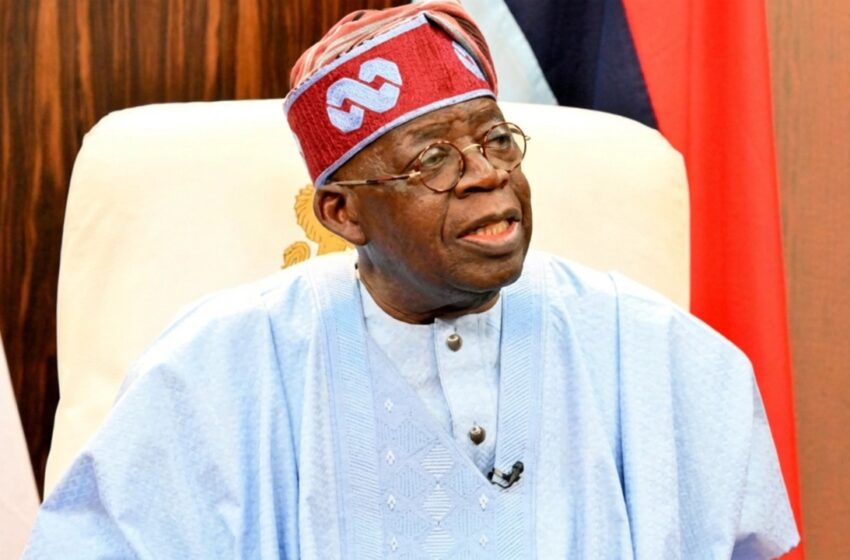
Nigeria’s President, Bola Ahmed Tinubu, has carried out a surprise cabinet reshuffle, removing the Minister of Finance and Coordinating Minister of the Economy, Wale Edun, in a move aimed at strengthening governance and accelerating economic reforms.
The decision, which also affected other members of the Federal Executive Council, signals a renewed push by the administration to improve policy coordination and deliver more effective economic outcomes. The reshuffle comes at a time when Nigeria faces persistent economic challenges, including inflation, currency pressures, and cost-of-living concerns.
Tinubu Sacks Finance Minister to Restructure Economic Leadership
The Tinubu sacks finance minister development has quickly drawn national attention, as the finance ministry remains one of the most critical portfolios in government. Officials confirmed that Wale Edun has been relieved of his duties, while Taiwo Oyedele has been appointed as his replacement.
Before his elevation, Oyedele served as Minister of State for Finance and played a key role in fiscal policy and tax reforms. His appointment reflects a strategic shift toward strengthening revenue generation and improving economic coordination.
The presidency indicated that the reshuffle aims to enhance synergy within the economic management team and ensure better delivery of government policies.
A Strategic Move Amid Economic Pressures
Nigeria’s economy has faced significant pressures in recent years. Rising inflation, currency fluctuations, and structural challenges have created difficult conditions for households and businesses.
In response, the administration has implemented several reforms, including subsidy removal and foreign exchange adjustments. However, these measures have also led to short-term economic strain, increasing the urgency for effective policy execution.
The Tinubu sacks finance minister decision therefore reflects an effort to recalibrate the government’s economic strategy. By appointing a new finance minister, the administration aims to bring fresh perspectives and accelerate reform efforts.
Who Is the New Finance Minister?
Taiwo Oyedele is widely recognised as a fiscal policy expert with extensive experience in tax administration and economic reform. Prior to his appointment, he chaired the Presidential Committee on Fiscal Policy and Tax Reforms.
His work has focused on simplifying Nigeria’s tax system, improving compliance, and increasing government revenue. These priorities align closely with the administration’s broader economic agenda.
As the new Minister of Finance and Coordinating Minister of the Economy, Oyedele is expected to play a central role in shaping fiscal policy and driving economic recovery.
Exit of Wale Edun Marks a Key Shift
The removal of Wale Edun marks a significant shift in Nigeria’s economic leadership. Edun, a seasoned economist and investment banker, had served in the role since 2023.
During his tenure, he oversaw major reforms aimed at stabilising the economy and improving fiscal discipline. However, the challenges facing the economy required continuous adjustments and stronger coordination across government agencies.
The Tinubu sacks finance minister development highlights the administration’s willingness to make difficult decisions in pursuit of its policy objectives.
Broader Cabinet Changes Signal Policy Reset
In addition to the finance ministry, the reshuffle also affected other key positions within the cabinet. These changes reflect a broader effort to strengthen governance and improve efficiency across sectors.
Officials stated that the reshuffle aims to promote better coordination, enhance accountability, and ensure that government policies deliver tangible results.
This approach aligns with the administration’s “Renewed Hope” agenda, which focuses on economic growth, job creation, and improved living standards.
Economic Reforms and Public Expectations
Public expectations remain high as Nigeria continues to navigate economic challenges. Citizens are looking for policies that can reduce inflation, stabilise the currency, and improve overall economic conditions.
The appointment of Taiwo Oyedele is therefore seen as a critical step in addressing these concerns. His expertise in fiscal policy and tax reform could help strengthen government revenue and support economic stability.
At the same time, analysts note that leadership changes alone will not solve structural challenges. Effective implementation of policies will be essential for achieving meaningful results.
Strengthening Policy Coordination
One of the key objectives of the reshuffle is to improve coordination within the economic management team. In the past, gaps in coordination have sometimes limited the impact of government policies.
By restructuring leadership, the administration aims to create a more cohesive and efficient system. This approach ensures that fiscal, monetary, and structural policies work together to achieve common goals.
The Tinubu sacks finance minister move therefore reflects a broader strategy to enhance governance and policy delivery.
Market and Investor Reactions
The reshuffle has also attracted attention from investors and market observers. Changes in economic leadership can influence investor confidence and market stability.
While some analysts view the move as a positive step toward reform, others emphasise the need for consistency and clarity in policy direction.
The appointment of a respected fiscal expert such as Taiwo Oyedele may help reassure stakeholders and strengthen confidence in Nigeria’s economic management.
Challenges Ahead for the New Finance Minister
As the new finance minister, Oyedele faces several immediate challenges. These include managing inflation, improving revenue generation, and addressing fiscal deficits.
In addition, he must work closely with other economic institutions to ensure policy alignment. This includes coordination with the central bank and other key agencies.
The success of the Tinubu sacks finance minister transition will depend on how effectively these challenges are addressed.
A Critical Moment for Nigeria’s Economy
The reshuffle comes at a critical moment for Nigeria’s economy. As the country seeks to stabilise its economic environment, strong leadership and effective policies will be essential.
The government’s ability to implement reforms, attract investment, and support economic growth will determine the success of its agenda.
The Tinubu sacks finance minister development underscores the importance of adaptability and responsiveness in governance.
Conclusion
The decision by Bola Ahmed Tinubu to remove Wale Edun and appoint Taiwo Oyedele marks a significant shift in Nigeria’s economic leadership. The move reflects a strategic effort to strengthen policy coordination, improve efficiency, and accelerate economic reforms.
As Nigeria continues to navigate complex economic challenges, the effectiveness of this transition will play a crucial role in shaping the country’s future. With strong leadership and coordinated action, the administration aims to deliver improved outcomes for citizens and build a more resilient economy.