

Extreme Weather Threatens Democracy as Earth Day Report Raises Global Alarm
- Agriculture News
OurDailyAfrica Reporter
- 0
- 11 minutes read
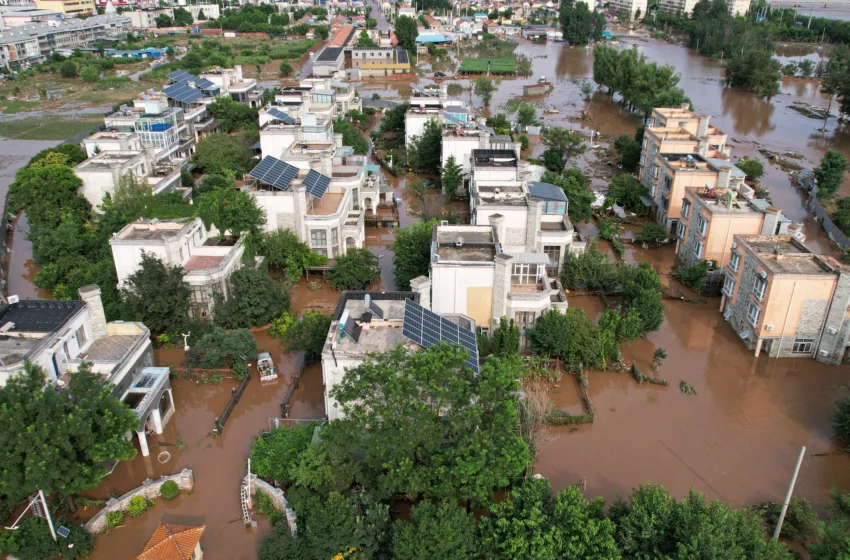
A new global report released to mark Earth Day has revealed a growing and alarming trend: extreme weather is increasingly threatening democratic processes across the world. From floods and wildfires to heatwaves and storms, climate-related disasters are no longer just environmental concerns—they are now directly affecting elections, governance, and political stability.
The findings highlight how climate change is reshaping not only ecosystems but also the foundations of democracy. As extreme weather events become more frequent and intense, governments face mounting challenges in ensuring free, fair, and accessible elections.
Extreme Weather Threatens Democracy in Growing Global Crisis
The extreme weather threatens democracy narrative has gained urgency following the latest findings from global researchers. According to the report, at least 94 elections and referendums across 52 countries have been disrupted by climate-related events over the past two decades.
These disruptions range from damaged infrastructure and displaced voters to last-minute changes in voting procedures. In many cases, entire electoral timelines have been altered due to natural disasters.
Furthermore, in 2024 alone, extreme weather events disrupted 23 elections in 18 different countries. This sharp increase demonstrates how climate risks are accelerating and placing additional pressure on already fragile democratic systems.
Climate Change Is Reshaping Electoral Processes
Extreme weather events now influence how elections are conducted. Floods can destroy polling stations, while wildfires can force evacuations. Heatwaves can even affect voting equipment and turnout.
In some countries, authorities have had to postpone elections entirely. In others, governments have introduced emergency measures to ensure voting can continue despite disruptions.
The extreme weather threatens democracy challenge is therefore not only about logistics. It also raises concerns about fairness, accessibility, and public confidence in electoral systems.
When voters cannot safely access polling stations, participation declines. As a result, election outcomes may not fully reflect the will of the people.
Africa and Asia Face Higher Risks
The report identifies Africa and Asia as regions particularly vulnerable to the intersection of climate risks and democratic challenges. Many countries in these regions already face governance pressures, which climate-related disruptions can worsen.
In several cases, floods, storms, and extreme heat have made it difficult to conduct elections effectively. Infrastructure damage and displacement of communities further complicate the situation.
The extreme weather threatens democracy issue is therefore more pronounced in regions with limited resources and weaker institutional frameworks.
However, experts warn that no country is immune. As climate change intensifies, even developed nations will face increasing risks.
The Link Between Climate Stress and Political Stability
Beyond immediate disruptions, extreme weather can have long-term effects on democratic systems. Climate disasters often lead to economic hardship, displacement, and social unrest.
These conditions can weaken trust in institutions and increase political tensions. In some cases, they may even fuel misinformation and conspiracy theories.
The extreme weather threatens democracy concern therefore extends beyond elections. It affects governance, policy-making, and the overall stability of societies.
When citizens struggle with the aftermath of disasters, political priorities can shift. Governments may also face increased pressure to respond quickly and effectively.
Infrastructure and Electoral Systems Under Pressure
Modern electoral systems rely heavily on infrastructure, including transportation, communication networks, and polling facilities. Extreme weather events can disrupt all of these components.
Flooded roads can prevent voters from reaching polling stations. Power outages can affect electronic voting systems. Damaged communication networks can hinder coordination among election officials.
The extreme weather threatens democracy trend highlights the need to treat electoral systems as critical infrastructure that requires protection and resilience planning.
Without adequate preparation, future elections may face even greater risks.
Adapting Elections to Climate Realities
Experts now recommend several strategies to address these challenges. Governments can adjust election calendars to avoid high-risk seasons. They can also strengthen infrastructure to withstand extreme weather.
In addition, authorities can integrate climate risk assessments into election planning. This approach ensures that potential disruptions are identified and managed in advance.
The extreme weather threatens democracy discussion also includes the need for better coordination between electoral bodies and disaster management agencies.
By working together, these institutions can respond more effectively to emergencies.
The Role of Technology and Innovation
Technology offers new opportunities to protect democratic processes. Digital tools can improve communication, enhance data collection, and support remote voting options in some cases.
Early warning systems can also help authorities prepare for extreme weather events. By predicting potential disruptions, governments can take preventive measures.
However, technology alone cannot solve the problem. It must be combined with strong governance and inclusive policies.
The extreme weather threatens democracy challenge requires a balanced approach that integrates innovation with institutional resilience.
Earth Day Message: A Call for Action
This year’s Earth Day carries a powerful message about the intersection of climate change and governance. Traditionally focused on environmental protection, the event now highlights broader societal impacts.
The report underscores the need for urgent action to address climate risks. Without intervention, the frequency and intensity of extreme weather events will continue to increase.
The extreme weather threatens democracy warning serves as a reminder that climate change is not only an environmental issue but also a political and social challenge.
Governments, organisations, and citizens must work together to build resilience and protect democratic systems.
Global Implications for the Future
As climate risks grow, their impact on democracy will likely expand. Elections, which are central to democratic governance, will face increasing pressure.
Countries must therefore adapt their systems to ensure continuity and fairness. This includes investing in infrastructure, improving planning, and strengthening institutions.
The extreme weather threatens democracy issue highlights the interconnected nature of global challenges. Climate change affects not only the environment but also political systems, economies, and societies.
Addressing this issue requires coordinated global action and long-term commitment.
Conclusion
The latest findings released on Earth Day reveal a critical and growing threat to democratic systems worldwide. Extreme weather events are no longer isolated environmental incidents. Instead, they are reshaping how elections are conducted and how governments function.
The extreme weather threatens democracy narrative underscores the urgency of integrating climate resilience into governance frameworks. As countries confront this challenge, the focus must remain on protecting democratic processes while addressing the root causes of climate change.