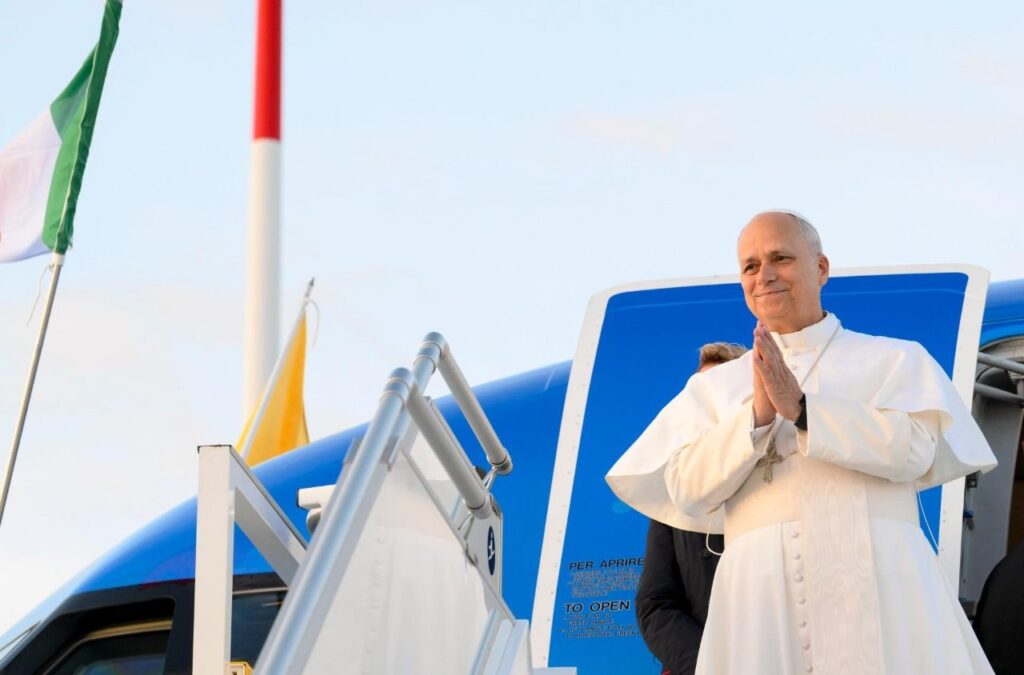

Pope Leo XIV Prays for Healing at Angola Shrine Linked to Slave Trade History
- Uncategorized
OurDailyAfrica Reporter
- 0
- 10 minutes read
A deeply symbolic moment unfolded in Angola as Pope Leo XIV visited a historic Catholic shrine in Muxima, a site closely tied to the transatlantic slave trade. Standing at a place marked by centuries of pain and faith, the pope offered prayers for healing, reconciliation, and unity, sending a powerful message to both the continent and the world.
The visit forms part of his broader African tour, which focuses on justice, inequality, and historical reflection. However, the stop in Muxima carries unique emotional and historical weight. The shrine, known as the Church of Our Lady of Muxima, represents both spiritual devotion and a painful chapter in human history.
Pope Leo XIV Prays for Healing at Angola Shrine Linked to Slave Trade History
The Pope Angola shrine slave trade healing moment has quickly become one of the most talked-about highlights of the papal visit. At the shrine, the pope led prayers that emphasized peace, forgiveness, and collective healing.
Although his words did not directly reference slavery in explicit terms, the symbolism of the visit was unmistakable. The location itself tells a story of suffering, resilience, and faith that continues to shape conversations about justice and remembrance today.
For many observers, the act of prayer at such a site represents an acknowledgment of history and a call to move forward with compassion and unity.
A Shrine Rooted in Pain and Faith
The Church of Our Lady of Muxima dates back to the late 16th century, during Portuguese colonial rule. At that time, the site served as part of a system that supported the transatlantic slave trade.
Enslaved Africans were often brought to the area, where they were baptized before being transported across the Atlantic. The journey that followed was marked by immense suffering and loss, leaving a legacy that continues to affect generations.
Today, the shrine has transformed into a major pilgrimage destination. Thousands of worshippers visit each year, seeking spiritual guidance while also reflecting on the site’s historical significance.
The Pope Angola shrine slave trade healing visit has therefore brought renewed attention to the dual identity of the location—as both a place of faith and a symbol of historical injustice.
Angola’s Role in the Transatlantic Slave Trade
Angola played a central role in the transatlantic slave trade, serving as one of the largest sources of enslaved Africans. Millions of people were forcibly taken from the region and sent to the Americas under brutal conditions.
This history remains deeply embedded in the country’s identity. While Angola has made significant progress since gaining independence, the legacy of slavery continues to influence social, cultural, and political discussions.
The pope’s visit has reignited these conversations, encouraging both reflection and dialogue about how history should be remembered and addressed.
A Message of Unity and Reconciliation
Beyond the historical context, Pope Leo XIV used his visit to deliver a broader message of unity. He called on communities to embrace peace, overcome divisions, and work toward a future built on justice and compassion.
His message resonates strongly in a country that has experienced its own struggles with conflict and inequality. Angola endured a long civil war, and although stability has improved, challenges related to poverty and social inequality persist.
The Pope Angola shrine slave trade healing message therefore extends beyond history, addressing the present realities faced by many communities.
The Global Conversation on Historical Justice
The visit comes at a time when global discussions about historical injustice are gaining momentum. Institutions around the world are being called upon to acknowledge their roles in past systems of exploitation.
The Catholic Church has faced scrutiny regarding its historical involvement during the era of slavery. While steps have been taken to address aspects of this past, many believe more can be done to promote accountability and healing.
By visiting Muxima, the pope has contributed to this ongoing conversation. The act itself, though symbolic, carries significant weight in encouraging reflection and dialogue.
Connecting Past and Present Challenges
During his tour, Pope Leo XIV has consistently highlighted the link between historical injustices and modern challenges. He has spoken about inequality, exploitation, and the need for systems that prioritize human dignity.
In Angola, these issues are particularly relevant. Despite its natural resources, many citizens continue to face economic hardship. Addressing these challenges requires both structural reforms and a commitment to social justice.
The Pope Angola shrine slave trade healing moment serves as a reminder that history cannot be separated from present realities. Instead, understanding the past is essential for building a better future.
Public Reaction and Emotional Impact
The visit drew large crowds, with thousands of worshippers gathering to witness the historic event. For many, the pope’s presence at Muxima represented a moment of hope and spiritual renewal.
Some attendees described the experience as deeply emotional, noting the significance of seeing a global religious leader acknowledge the importance of such a site.
However, others have called for more concrete actions, including formal acknowledgments or initiatives aimed at addressing historical injustices. These differing perspectives reflect the complexity of the issue and the range of expectations surrounding it.
The Importance of Symbolic Leadership
Symbolic gestures often play a crucial role in shaping public discourse. By choosing to visit a site linked to the slave trade, the pope has sent a message that extends beyond words.
Such actions can encourage dialogue, inspire reflection, and create space for healing. While they may not provide immediate solutions, they contribute to a broader process of understanding and reconciliation.
The Pope Angola shrine slave trade healing visit highlights how leadership can influence conversations about history and justice.
Looking Ahead: Healing and Progress
The path toward healing is long and complex. It requires not only acknowledgment of the past but also meaningful action to address ongoing challenges.
For Angola, this means continuing efforts to promote social and economic development while also preserving historical memory. Education, dialogue, and community engagement will play key roles in this process.
The pope’s visit serves as a reminder that healing is both a collective and ongoing effort.
Conclusion
The visit of Pope Leo XIV to a historic shrine in Angola has created a powerful moment of reflection and symbolism. By praying at a site marked by the legacy of the slave trade, he has drawn global attention to the importance of healing, reconciliation, and justice.
The Pope Angola shrine slave trade healing moment underscores the need to confront history while building a more inclusive future. As conversations continue, the impact of this visit will likely extend far beyond the immediate event, shaping how history is understood and how progress is pursued.