

Climate Stress Leaves 12 Million Hectares Unfarmed as Costs Threaten Food Security
- Agriculture News Nigeria
OurDailyAfrica Reporter
- 0
- 10 minutes read
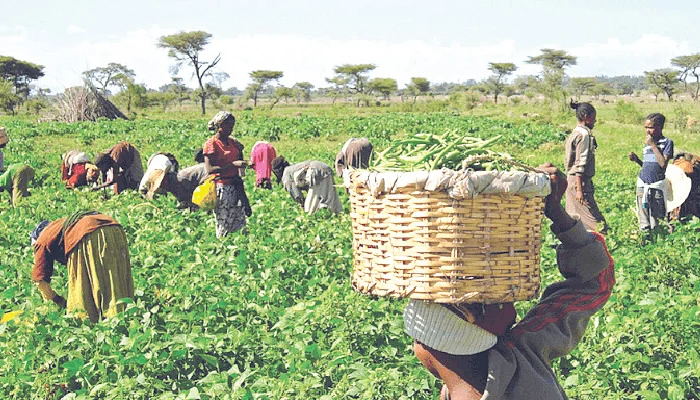
Rising climate stress and escalating production costs are forcing farmers to abandon vast stretches of farmland, with new findings revealing that more than 12 million hectares remain uncultivated. The development signals a growing crisis for agriculture, particularly in vulnerable regions such as Nigeria, where food security already faces mounting pressure.
The report highlights a troubling intersection between climate change and economic constraints. As weather patterns become increasingly unpredictable and farming inputs grow more expensive, many farmers find it difficult to sustain production. Consequently, millions of hectares that could contribute to food supply remain unused.
Climate Stress Leaves 12 Million Hectares Unfarmed
The climate stress leaves 12 million hectares unfarmed situation reflects the deepening impact of environmental and economic challenges on agriculture. According to the report, a combination of extreme weather events, rising input costs, and insecurity has discouraged farmers from cultivating available land.
Erratic rainfall, prolonged droughts, and increased temperatures have disrupted traditional farming cycles. At the same time, the cost of fertilizers, seeds, and transportation continues to rise, placing additional strain on already struggling farmers.
As a result, many farmers are scaling back operations or abandoning farmland altogether. This trend not only reduces agricultural output but also threatens livelihoods across rural communities.
Rising Costs and Economic Pressures
One of the key drivers behind the climate stress leaves 12 million hectares unfarmed crisis is the sharp increase in production costs. Farmers report that essential inputs have become significantly more expensive, making it difficult to maintain profitability.
Fertilizer prices, in particular, have surged in recent years, while transportation costs have also risen due to fuel price fluctuations. These factors combine to create a challenging economic environment for farmers.
Moreover, access to financing remains limited. Many smallholder farmers lack the resources needed to invest in climate-resilient practices or modern agricultural technologies. Without adequate support, they are left with few options.
Impact of Climate Change on Farming Systems
Climate change continues to reshape agricultural systems across Africa. Changes in rainfall patterns, increased frequency of extreme weather events, and shifting growing seasons are affecting crop yields and farming decisions.
In many areas, farmers struggle to predict weather conditions, making it difficult to plan planting and harvesting cycles. Therefore, the risks associated with farming have increased significantly.
Research shows that climate variability directly impacts agricultural productivity and income, especially in developing regions.
The climate stress leaves 12 million hectares unfarmed trend highlights how these environmental changes are translating into real economic consequences.
Food Security at Risk
The reduction in cultivated land has serious implications for food security. With fewer hectares under cultivation, overall food production declines, potentially leading to shortages and higher prices.
In countries like Nigeria, where population growth continues to drive demand for food, the gap between supply and demand is becoming increasingly concerning.
Furthermore, underutilized farmland represents a missed opportunity to boost agricultural output. Experts warn that if current trends continue, food insecurity could worsen significantly.
Rural Livelihoods and Social Impact
Agriculture remains a primary source of income for millions of people in rural areas. Therefore, the climate stress leaves 12 million hectares unfarmed crisis has far-reaching social implications.
When farmers abandon their land, they lose income and face increased financial hardship. This can lead to migration, as individuals move to urban areas in search of alternative opportunities.
In addition, reduced agricultural activity affects local economies. Markets, supply chains, and related industries all depend on farming activities, meaning the impact extends beyond individual farmers.
The Role of Insecurity in Farmland Abandonment
In some regions, insecurity has further compounded the problem. Farmers face threats that prevent them from accessing their land, adding another layer of complexity to the crisis.
This situation discourages investment in agriculture and reduces productivity. As a result, even areas with fertile land may remain uncultivated due to safety concerns.
The combination of climate stress, high costs, and insecurity creates a challenging environment that limits agricultural growth.
Global Context and Climate Financing Gap
The challenges facing farmers in Nigeria are part of a broader global trend. Climate change is affecting agricultural systems worldwide, particularly in regions with limited resources.
Studies indicate that smallholder farmers require substantial financial support to adapt to climate impacts. Estimates suggest that hundreds of billions of dollars are needed annually to build resilience in the agricultural sector.
However, current funding levels fall short of these needs, leaving many farmers without the support required to adapt effectively.
Opportunities for Adaptation and Innovation
Despite the challenges, there are opportunities to address the climate stress leaves 12 million hectares unfarmed issue. Investing in climate-smart agriculture, improving access to financing, and adopting new technologies can help farmers adapt to changing conditions.
Innovations such as drought-resistant crops, efficient irrigation systems, and digital farming tools can enhance productivity and resilience. In addition, government policies that support farmers can play a critical role.
Subsidies, training programs, and infrastructure development can help reduce costs and improve access to resources. By addressing these factors, it is possible to bring more land back into cultivation.
Policy and Strategic Response
Effective policy responses are essential for reversing current trends. Governments must prioritize agriculture as a key sector for economic development and food security.
This includes creating an enabling environment for investment, strengthening institutions, and improving access to markets. In addition, addressing insecurity is critical for ensuring that farmers can safely cultivate their land.
The climate stress leaves 12 million hectares unfarmed crisis requires coordinated action from governments, private sector stakeholders, and international partners.
Looking Ahead: Securing the Future of Agriculture
As climate change continues to impact agriculture, the need for sustainable solutions becomes increasingly urgent. Ensuring that farmland remains productive is essential for feeding growing populations and supporting economic development.
The current situation serves as a warning that without intervention, agricultural productivity could decline further. However, with the right strategies, it is possible to reverse the trend and strengthen resilience.
Conclusion
The revelation that climate stress and rising costs have left 12 million hectares unfarmed underscores the severity of the challenges facing agriculture today. The climate stress leaves 12 million hectares unfarmed crisis highlights the urgent need for action to protect food security, support farmers, and build resilient agricultural systems.
As stakeholders work to address these issues, the focus must remain on creating sustainable solutions that enable farmers to thrive despite changing conditions. Ultimately, the future of agriculture depends on the ability to adapt, innovate, and invest in long-term resilience.