

Congo’s Sassou Nguesso Sworn In for Fifth Term as Political Continuity Sparks Debate
- Dr congo News
OurDailyAfrica Reporter
- 0
- 10 minutes read
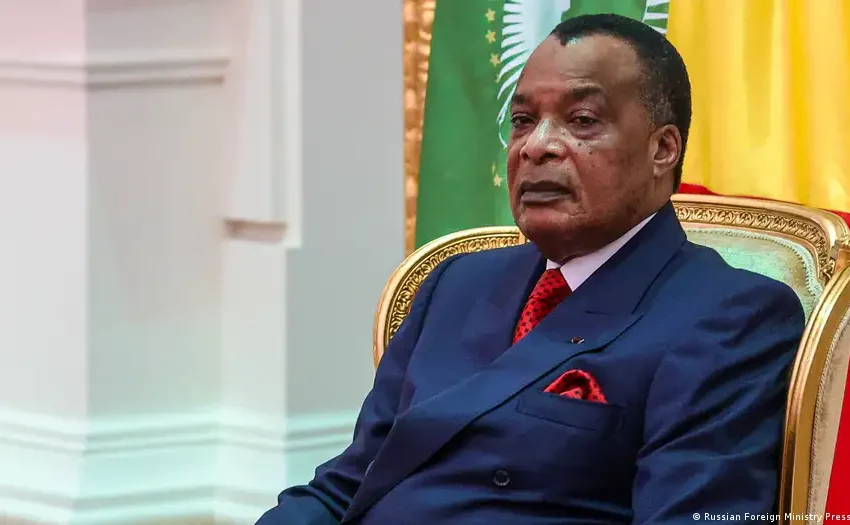
The Republic of Congo has entered a new political phase as long-serving leader Denis Sassou Nguesso was officially sworn in for a fifth presidential term. The inauguration marks another milestone in one of Africa’s longest-running political tenures, further extending his influence over the oil-rich Central African nation.
The development has generated mixed reactions across the country and beyond. While supporters highlight stability and continuity, critics raise concerns about democratic processes, political competition, and the future of governance in Congo.
Congo’s Sassou Nguesso Sworn In for Fifth Term
The Congo’s Sassou Nguesso sworn in for fifth term event follows his decisive victory in the March 2026 presidential election. Official results indicated that he secured approximately 94 percent of the vote, reinforcing his dominance in the country’s political landscape.
The swearing-in ceremony took place in a packed stadium near Brazzaville, symbolizing both state authority and political continuity. During his inaugural address, Sassou Nguesso pledged to uphold the trust placed in him by voters and to continue working toward national development.
However, the scale of his victory and the broader electoral process have continued to attract scrutiny from observers and opposition voices.
A Leadership Spanning Decades
The Congo’s Sassou Nguesso sworn in for fifth term milestone further extends a political career that has spanned more than four decades. Sassou Nguesso first came to power in 1979 and later returned to leadership in 1997 following a civil war.
Since then, he has remained a central figure in Congolese politics, shaping the country’s governance, economic policies, and international relations.
His long tenure places him among Africa’s longest-serving leaders. Supporters argue that his experience provides stability, particularly in a region that has experienced political instability.
However, critics contend that prolonged leadership can limit political renewal and reduce opportunities for new voices.
Controversy Surrounding the Election Process
The election that led to the Congo’s Sassou Nguesso sworn in for fifth term outcome has been widely debated. Several opposition parties boycotted the vote, citing concerns about transparency and fairness.
Reports also indicated restrictions on opposition activities, including limited campaigning opportunities and legal challenges faced by key figures.
In addition, questions have been raised about voter turnout and the overall credibility of the process. While official figures suggested high participation, some local observations painted a different picture.
These issues have fueled ongoing discussions about the state of democracy in Congo.
Constitutional Changes and Political Longevity
A significant factor behind Sassou Nguesso’s continued leadership is the constitutional reform introduced in 2015. The amendment removed presidential term and age limits, allowing him to remain eligible for office.
This change has been central to the Congo’s Sassou Nguesso sworn in for fifth term development. Supporters argue that it enables experienced leadership to continue guiding the country.
On the other hand, critics view the reform as a mechanism that entrenches power and weakens democratic accountability.
The debate over constitutional changes reflects broader tensions between stability and political renewal.
Economic Challenges Facing Congo
As Sassou Nguesso begins his new term, the Republic of Congo faces significant economic challenges. Despite its oil wealth, the country continues to struggle with high debt levels, unemployment, and widespread poverty.
Reports indicate that more than half of the population lives below the poverty line, while youth unemployment remains a pressing issue.
Therefore, economic reform will be a critical priority for the administration. Addressing these challenges will require effective policies, investment, and improved governance.
The Congo’s Sassou Nguesso sworn in for fifth term moment thus carries high expectations for economic progress.
Public Sentiment and Political Stability
Public reactions to the inauguration have been mixed. While some citizens welcome continuity and stability, others express frustration with the lack of political change.
In many cases, voter apathy reflects a belief that election outcomes are predetermined. This perception can affect public trust in democratic institutions.
However, maintaining stability remains a key concern for many citizens. In a region where political transitions can sometimes lead to unrest, continuity is often seen as a safeguard.
The challenge lies in balancing stability with inclusive governance.
Regional and International Implications
The Congo’s Sassou Nguesso sworn in for fifth term development has implications beyond national borders. As one of Africa’s longest-serving leaders, Sassou Nguesso’s continued rule contributes to broader discussions about governance and leadership across the continent.
Some observers see his tenure as part of a pattern of extended leadership in Africa, where political transitions can be slow or contested.
At the same time, Congo’s role as an oil-producing nation adds economic significance to its political stability. International partners are therefore closely monitoring developments.
The Question of Succession
One of the key issues surrounding Sassou Nguesso’s new term is succession. At over 80 years old, questions about future leadership are becoming increasingly relevant.
The Congo’s Sassou Nguesso sworn in for fifth term moment may represent not only continuity but also a transition phase. Discussions about potential successors, including figures within his political circle, have already begun.
Ensuring a smooth and credible transition will be essential for long-term stability.
Governance and the Path Forward
As the new term begins, the focus will shift toward governance and policy implementation. Key areas include economic diversification, infrastructure development, and social services.
In addition, strengthening institutions and improving transparency will be critical for building public trust.
The Congo’s Sassou Nguesso sworn in for fifth term milestone provides an opportunity to address these priorities and shape the country’s future.
However, achieving meaningful progress will require balancing continuity with reform.
Conclusion
The swearing-in of Denis Sassou Nguesso for a fifth term marks a defining moment in the political history of the Republic of Congo. The Congo’s Sassou Nguesso sworn in for fifth term development reflects both the strength of his political influence and the ongoing debates surrounding governance and democracy.
As the country moves forward, the challenge will be to translate political continuity into tangible progress for its citizens. Economic reform, inclusive governance, and credible future transitions will determine whether this new term strengthens or strains the nation’s long-term stability.