
Ethiopia Partners With Dangote Fertiliser Plant to Improve Food Security
- Ethopia News Nigeria
OurDailyAfrica Reporter
- 0
- 12 minutes read
Ethiopia is strengthening efforts to improve agricultural productivity and food security through a major partnership involving the Dangote Fertiliser Plant. The East African country hopes the collaboration will help increase fertiliser supply, improve crop production, and support millions of farmers facing rising agricultural challenges.
The initiative comes as African countries continue searching for sustainable solutions to food shortages, climate pressures, and increasing fertiliser costs. Ethiopian officials believe stronger cooperation with the Dangote Fertiliser Plant could significantly reduce dependency on imported fertiliser while boosting local agricultural output.
The partnership also highlights growing economic and trade relationships between African nations as governments seek regional solutions to major development challenges.
Ethiopia Partners With Dangote Fertiliser Plant for Agricultural Growth
Ethiopia recently announced plans to deepen cooperation with the Dangote Fertiliser Plant as part of broader agricultural development strategies. Government officials explained that access to affordable fertiliser remains essential for improving national food production and supporting rural communities.
The Dangote Fertiliser Plant, located in Nigeria, is currently one of Africa’s largest fertiliser production facilities. Since operations began, the plant has expanded supply across several African countries while supporting regional agricultural development.
Ethiopian authorities believe increased fertiliser access could help local farmers improve crop yields and reduce production challenges caused by poor soil nutrients and rising farming costs.
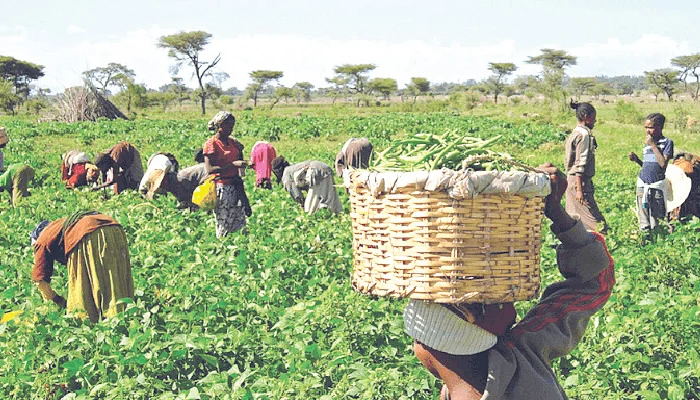
Agriculture remains one of Ethiopia’s most important economic sectors. Millions of citizens depend directly on farming for income, food supply, and employment. Consequently, improving agricultural productivity remains a top government priority.
Ethiopia Seeks Solutions to Food Security Challenges
Food security continues to be a major issue across several African countries, including Ethiopia. Climate change, drought, inflation, conflict, and global supply disruptions have all affected agricultural production in recent years.
Ethiopia has experienced repeated drought conditions that severely affected farming communities and food supply chains. In addition, rising fertiliser prices created further difficulties for many local farmers struggling to maintain production levels.
Government officials believe stronger fertiliser partnerships could help stabilize agricultural activities and improve national food reserves. Therefore, Ethiopia sees the Dangote Fertiliser Plant as an important regional partner in addressing these challenges.
The country also hopes improved fertiliser availability will strengthen long-term food sustainability and reduce dependence on foreign agricultural imports.
Dangote Fertiliser Plant Expands Influence Across Africa
The Dangote Fertiliser Plant has increasingly become a major player within Africa’s agricultural and industrial sectors. The facility has one of the continent’s largest fertiliser production capacities and continues supplying multiple African markets.
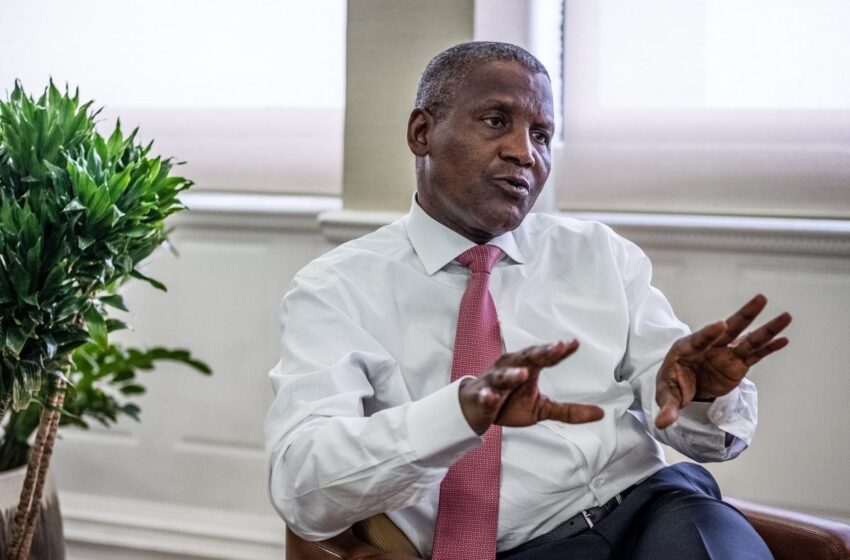
Owned by Nigerian businessman Aliko Dangote, the plant was established to help reduce Africa’s dependence on imported fertiliser products while supporting local food production.
Over the years, many African countries relied heavily on fertiliser imports from Europe, Asia, and the Middle East. However, supply disruptions and rising global prices exposed vulnerabilities within African agricultural systems.
Consequently, regional production facilities like the Dangote Fertiliser Plant now play an increasingly important role in strengthening Africa’s food systems and agricultural independence.
Industry analysts also believe the expansion of regional fertiliser production may help lower costs for farmers while improving access to essential agricultural supplies.
Ethiopian Farmers Expected to Benefit From Partnership
The partnership could provide major benefits for Ethiopian farmers, especially small-scale agricultural producers who often struggle with high production expenses.
Affordable fertiliser access may help farmers increase crop quality and improve harvest volumes. Additionally, improved agricultural productivity could support national efforts to reduce food shortages and rural poverty.
Many Ethiopian farming communities continue facing difficult economic conditions due to inflation, climate pressures, and limited farming resources. Therefore, government officials hope stronger fertiliser supply chains will improve farming efficiency and increase agricultural resilience.
Experts also note that fertiliser availability remains critical for staple crops such as wheat, maize, barley, and teff, which play important roles in Ethiopia’s food system.
By strengthening access to agricultural inputs, Ethiopia hopes to improve both local consumption and export opportunities within regional markets.
African Countries Push for Agricultural Self-Sufficiency
The growing cooperation between Ethiopia and the Dangote Fertiliser Plant reflects a wider trend across Africa. Many governments now prioritize agricultural self-sufficiency and regional economic cooperation.
The COVID-19 pandemic, global conflicts, and international supply chain disruptions exposed Africa’s heavy dependence on imported agricultural products and industrial supplies. Consequently, many African leaders now encourage stronger local production and regional trade partnerships.
Agricultural development remains central to Africa’s economic transformation strategies. Several countries continue investing in irrigation systems, fertilizer production, mechanized farming, and climate-resilient agriculture.
Experts believe stronger regional cooperation could significantly improve food security across the continent. In addition, African agricultural partnerships may help reduce import costs while increasing local production capacity.
The Dangote Fertiliser Plant therefore represents more than an industrial investment alone. It also symbolizes Africa’s broader efforts to strengthen economic independence and industrial development.
Ethiopia Continues Economic Reform and Investment Expansion
Ethiopia has increasingly pursued economic reforms aimed at attracting investment and improving industrial development. Agriculture remains a critical part of these reform efforts because of its importance to employment and national stability.
Government officials continue introducing policies designed to modernize farming systems, expand infrastructure, and encourage international partnerships. Fertiliser access forms a major component of those agricultural modernization plans.
The Ethiopian government also hopes improved agricultural productivity will strengthen economic growth and reduce pressure caused by rising food prices.
Several international organizations have repeatedly warned about food insecurity risks across parts of East Africa. Therefore, partnerships that improve farming capacity remain important for long-term regional stability.
Aliko Dangote Strengthens Africa’s Industrial Influence
Nigerian billionaire Aliko Dangote continues expanding his influence across major African industries through investments in manufacturing, energy, agriculture, and infrastructure.
The Dangote Fertiliser Plant has become one of his most important industrial projects because of its direct impact on food production and regional trade.
Many economic experts believe African industrialists play an important role in supporting continental development by investing in sectors critical to economic growth and self-sufficiency.
The success of regional projects like the fertiliser plant also demonstrates the growing importance of intra-African trade and business cooperation.
As African economies continue developing, partnerships between governments and regional industries may become increasingly important for solving shared economic and social challenges.
Food Security Remains Major African Priority
Food security remains one of the biggest development concerns across Africa. Millions of people continue facing hunger, rising food prices, and agricultural instability caused by climate change and economic pressures.
Several African governments now view agriculture as both an economic opportunity and a national security priority. Consequently, investments in fertiliser production, irrigation, transportation, and farming technology continue increasing across the continent.
Experts believe stronger agricultural systems could help Africa reduce poverty, improve employment, and stabilize food supply chains.
The partnership between Ethiopia and the Dangote Fertiliser Plant therefore reflects broader continental efforts to strengthen food production and improve agricultural sustainability.
If successful, the cooperation could also encourage additional partnerships between African countries seeking regional solutions to food insecurity and economic development challenges.
Ethiopia Hopes Partnership Will Deliver Long-Term Benefits
Ethiopian officials remain optimistic that cooperation with the Dangote Fertiliser Plant will create lasting agricultural and economic benefits for the country.
Improved fertiliser supply may help farmers increase productivity, strengthen food reserves, and improve rural livelihoods. Furthermore, stronger agricultural performance could support broader national economic goals.
The partnership also reinforces the importance of African-led industrial and agricultural solutions in addressing continental challenges.
As demand for food continues increasing across Africa, governments and businesses will likely continue prioritizing investments that improve agricultural efficiency and long-term sustainability.
For Ethiopia, the collaboration represents another step toward achieving stronger food security, economic resilience, and agricultural transformation.