
DR Congo Ebola Crisis Worsens as Death Toll Surpasses 90
- Dr congo Health News
OurDailyAfrica Reporter
- 0
- 11 minutes read
The Democratic Republic of Congo is facing another major public health emergency as the latest Ebola outbreak continues spreading rapidly across parts of the country. Health officials have confirmed that more than 90 people have died during the ongoing crisis, raising fears of wider regional transmission across Central and East Africa.
The outbreak has already triggered emergency responses from the World Health Organization, the Africa Centres for Disease Control and Prevention, and several neighboring countries. Authorities are now racing to contain the virus before the situation worsens further.
The latest outbreak involves the rare Bundibugyo strain of Ebola, a dangerous virus with no fully approved vaccine specifically designed for it. Consequently, health experts remain deeply concerned about the speed of transmission and the growing number of suspected cases.
DR Congo Ebola Crisis Worsens as Cases Continue Rising
Health authorities reported that the outbreak began in the northeastern Ituri province of the Democratic Republic of Congo. Initial investigations identified clusters of severe illness and unexplained deaths within several communities.
As the virus spread, suspected cases quickly increased across multiple health zones, including Bunia, Mongbwalu, and Rwampara. According to recent reports, officials have identified more than 300 suspected cases linked to the outbreak.
The death toll has continued rising steadily over recent days. Early reports recorded approximately 65 deaths, but the number later climbed above 80 before eventually surpassing 90 fatalities. Consequently, international health agencies now consider the outbreak a serious regional emergency.
Several healthcare workers have also reportedly become infected while treating patients. This development has increased pressure on Congo’s already strained healthcare system.
WHO Declares International Health Emergency
The World Health Organization officially declared the outbreak a Public Health Emergency of International Concern after cases spread beyond Congo’s borders into neighboring Uganda.
WHO officials explained that the outbreak represents a major international health risk because of increasing cross-border movement and regional travel. Two confirmed cases were identified in Uganda after infected individuals traveled from Congo. One of those patients later died in Kampala.
The declaration allows international organizations and governments to coordinate emergency funding, medical supplies, surveillance systems, and containment measures more effectively.
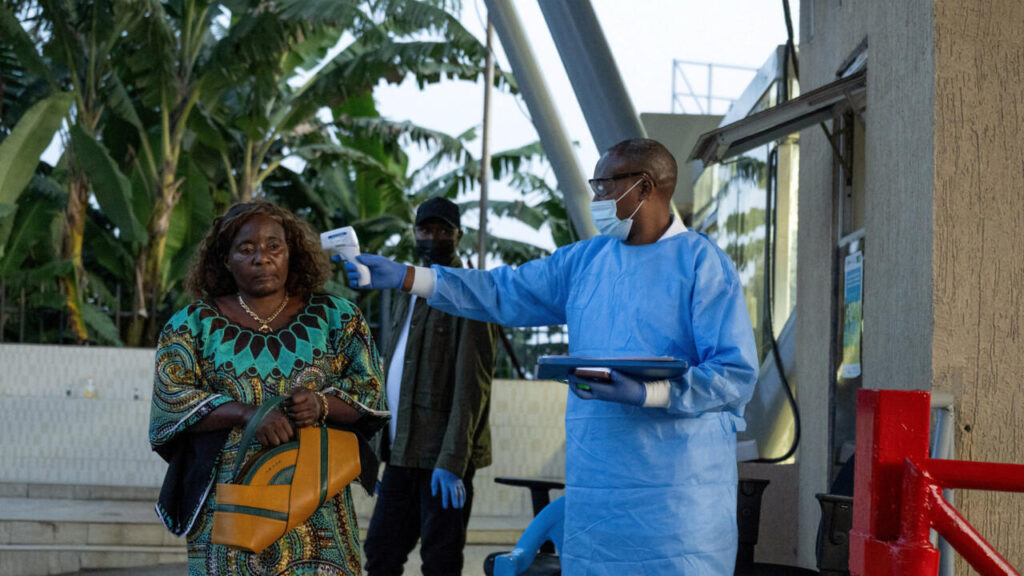
Health experts fear that delayed containment could increase the risk of wider transmission into additional countries. Therefore, regional governments have intensified border screening and health monitoring efforts.
Bundibugyo Ebola Strain Raises Serious Concerns
One of the most worrying aspects of the outbreak involves the Bundibugyo strain of the Ebola virus. Unlike the more common Zaire strain, this variant currently has no fully approved vaccine or targeted treatment.
The Bundibugyo strain was first identified in Uganda in 2007. Although it generally records a lower fatality rate than the Zaire strain, the virus remains highly dangerous and contagious.
Symptoms usually begin with fever, fatigue, headaches, muscle pain, and weakness. However, patients can later develop vomiting, diarrhea, bleeding, and severe organ complications. Consequently, rapid diagnosis and isolation remain critical for controlling the outbreak.
Health officials also revealed that early diagnostic challenges complicated initial containment efforts because standard tests failed to immediately identify the strain.
Eastern Congo Faces Difficult Containment Conditions
Containing the outbreak has proven especially difficult because eastern Congo continues facing insecurity, armed conflict, and limited healthcare infrastructure.
Many affected communities remain difficult to access due to violence and poor transportation networks. Additionally, frequent population movement between Congo and neighboring countries increases the risk of regional spread.
Health officials explained that some infected individuals traveled long distances before receiving medical attention. Consequently, authorities now face the complex task of tracing contacts across multiple locations.
The region’s fragile healthcare system also limits emergency response capacity. Hospitals and clinics often struggle with shortages of protective equipment, medical supplies, trained staff, and laboratory facilities.
Several healthcare workers continue operating under dangerous conditions while attempting to isolate patients and educate communities about prevention measures.
Uganda Strengthens Emergency Response Measures
Uganda has already intensified health surveillance after confirming imported Ebola cases linked to the outbreak in Congo. Authorities placed several contacts under monitoring while strengthening border screening procedures.
Residents in Kampala reportedly expressed fear after one infected traveler died at a local hospital. Consequently, Ugandan health officials launched emergency public awareness campaigns to reduce panic and encourage early reporting of symptoms.
The Ugandan government also increased cooperation with international health organizations to improve preparedness and contact tracing operations.
Meanwhile, Rwanda temporarily closed parts of its border near Goma because of fears surrounding possible transmission.
Several countries outside Africa have also introduced additional screening procedures for travelers arriving from affected regions.
International Health Agencies Mobilize Resources
International health organizations continue mobilizing resources to support Congo and neighboring countries during the outbreak.
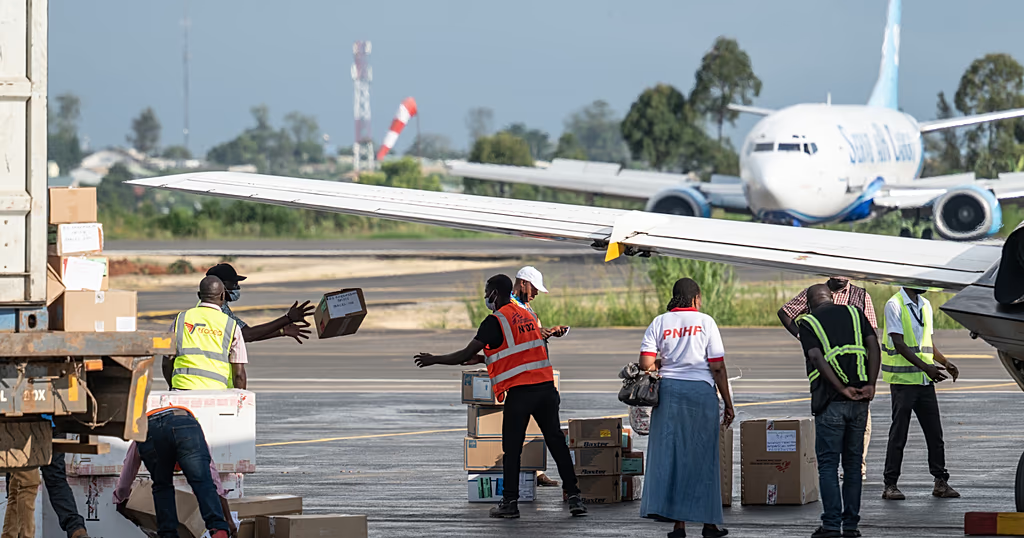
The World Health Organization, Africa CDC, and the U.S. Centers for Disease Control and Prevention have all deployed specialists, protective equipment, laboratory support, and emergency response teams.
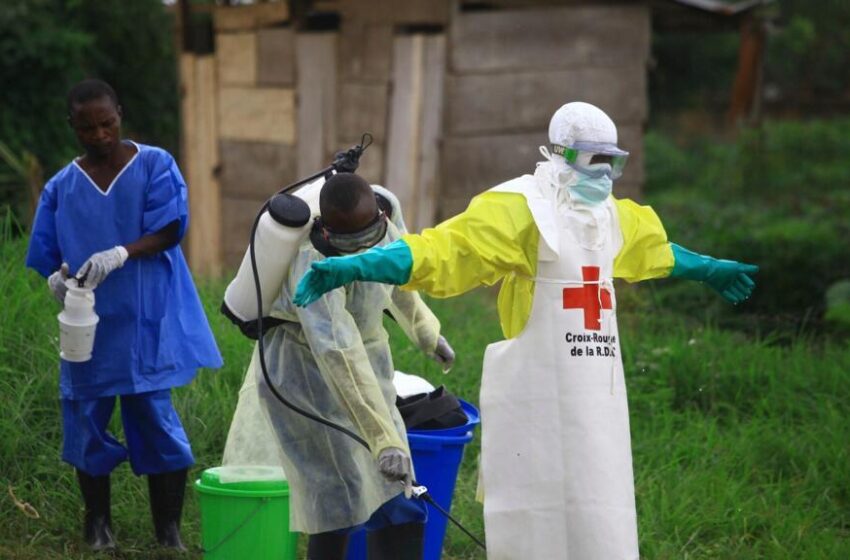
Health workers are currently focusing on contact tracing, patient isolation, community education, and border surveillance. Authorities are also identifying treatment centers and quarantine facilities in high-risk locations.
Emergency teams continue monitoring possible cases across several health zones while educating communities about Ebola prevention and transmission risks.
Experts stress that early detection remains one of the most important tools for limiting further spread.
Ebola Outbreak Sparks Global Concern
The outbreak has attracted global attention because Ebola remains one of the world’s deadliest infectious diseases. Previous outbreaks across Africa caused widespread fatalities and major economic disruption.
The 2014 West Africa Ebola epidemic killed more than 11,000 people and severely affected healthcare systems across several countries. Consequently, international health agencies remain highly alert whenever new outbreaks emerge.
Although the current outbreak appears smaller than previous epidemics, experts warn that rapid transmission and delayed containment could worsen the crisis quickly.
The World Health Organization continues urging countries to avoid panic while strengthening preparedness systems and public health coordination.
DR Congo Continues Long Battle Against Ebola
The Democratic Republic of Congo has experienced multiple Ebola outbreaks since the virus was first identified in 1976. In fact, this latest outbreak marks the country’s seventeenth recorded Ebola crisis.
Frequent outbreaks often reflect deeper challenges involving weak healthcare infrastructure, environmental factors, conflict, and limited public health resources.
Despite these difficulties, Congolese health workers continue playing a critical role in outbreak response and community protection.
Authorities remain hopeful that stronger international cooperation and rapid emergency measures will eventually slow transmission and reduce fatalities.
However, health experts warn that the coming weeks may become critical in determining whether the outbreak remains regionally contained or expands further across neighboring countries.
Public Health Officials Urge Vigilance
Health authorities continue encouraging citizens across affected areas to remain alert and follow safety guidelines carefully.
Officials advise people to avoid physical contact with infected individuals, report symptoms immediately, and cooperate with health teams conducting contact tracing and medical screenings.
Public education campaigns also emphasize proper hygiene, safe burial practices, and avoiding misinformation that could complicate response efforts.
While emergency measures continue expanding, the Ebola outbreak remains a serious public health challenge for Congo and the wider region. Governments, medical workers, and international agencies now face enormous pressure to contain the virus before additional lives are lost.