
Sudan Drone Strikes Kill 700 as Humanitarian Crisis Reaches Breaking Point
- News South Sudan Sudan
OurDailyAfrica Reporter
- 0
- 10 minutes read
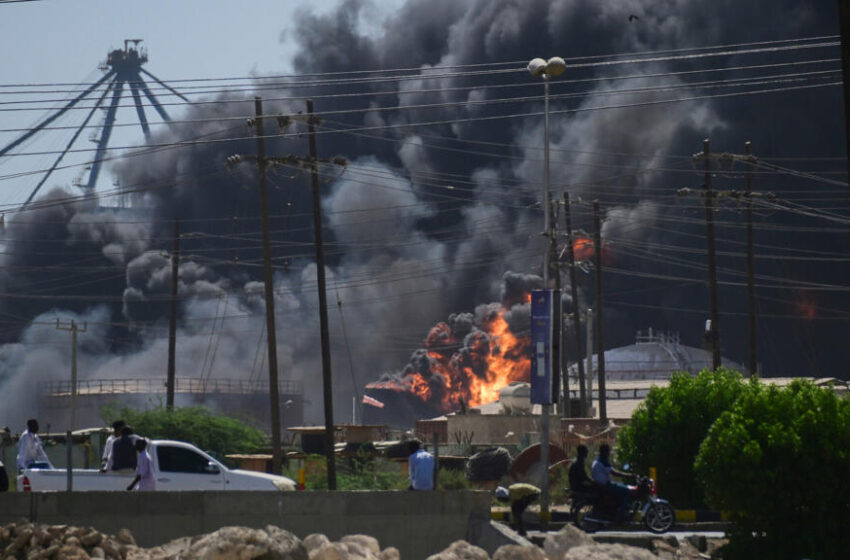
The ongoing conflict in Sudan has taken a devastating turn, as nearly 700 civilians have been killed in drone strikes since the beginning of 2026, according to the United Nations. This alarming development highlights the intensifying violence in a war that has already pushed millions into one of the world’s worst humanitarian crises.
As the conflict enters another year, the growing use of drone warfare is not only escalating casualties but also deepening the suffering of civilians caught in the crossfire. Consequently, global attention is once again turning toward Sudan, where the scale of destruction continues to expand.
Sudan Drone Strikes Kill 700 as Conflict Intensifies
The Sudan drone strikes kill 700 crisis reflects a dangerous shift in the nature of the war. According to the United Nations, most of the deaths occurred within the first three months of 2026, with near-daily drone attacks reported across key conflict zones.
These strikes have heavily impacted regions such as Darfur and Kordofan, where fighting remains intense. In many cases, drones have targeted civilian areas, including homes, markets, and schools. As a result, the line between military operations and civilian life continues to blur.
Moreover, the increasing reliance on drones signals a new phase in the conflict, where remote warfare allows for sustained attacks with devastating consequences.
A War Driving Mass Displacement and Hunger
The humanitarian toll of the conflict extends far beyond immediate casualties. Millions of people have been forced to flee their homes, creating one of the largest displacement crises in the world.
According to humanitarian agencies, more than 11 million people have been displaced, while over 19 million now face acute hunger due to disruptions in food supply and economic collapse.
Entire communities have been uprooted, leaving families without shelter, food, or access to healthcare. Therefore, the Sudan drone strikes kill 700 tragedy is only one part of a much broader crisis affecting nearly every aspect of life.
In addition, famine conditions are spreading in several regions, further worsening the situation for vulnerable populations.
Civilian Casualties and the Impact on Children
One of the most concerning aspects of the crisis is the impact on children. Reports indicate that a significant proportion of casualties from drone strikes involve minors.
Children have been killed or injured in attacks on schools, residential areas, and public spaces. This reality underscores the indiscriminate nature of the violence and raises serious concerns about compliance with international humanitarian law.
Furthermore, the psychological impact on survivors, especially young people, is profound. Exposure to continuous violence can have long-term effects on mental health, education, and overall development.
The Rise of Drone Warfare in Sudan
The increasing use of drones has transformed the dynamics of the conflict in Sudan. Unlike traditional warfare, drone strikes allow combatants to target locations from a distance, often with limited visibility of conditions on the ground.
While drones can offer strategic advantages, their use in densely populated areas significantly increases the risk of civilian casualties. Therefore, the escalation of drone warfare has become a major concern for humanitarian organizations.
The Sudan drone strikes kill 700 development highlights the urgent need for stricter controls and accountability in the use of such technology.
A Deepening Humanitarian Crisis
The United Nations has described the situation in Sudan as the largest humanitarian crisis in the world. Nearly two-thirds of the population now require some form of aid, reflecting the scale of the disaster.
Despite ongoing relief efforts, funding remains insufficient. Humanitarian organizations struggle to meet the growing needs, as resources fall short of requirements.
In addition, logistical challenges, including damaged infrastructure and ongoing violence, hinder the delivery of aid. As a result, many communities remain inaccessible, further exacerbating the crisis.
Thousands Missing and Families Separated
Beyond the immediate casualties, the conflict has left thousands of people missing. The International Committee of the Red Cross reports that more than 11,000 individuals have been reported missing since the war began.
Communication breakdowns and displacement have made it difficult for families to locate loved ones. Consequently, many remain uncertain about the fate of relatives, adding a layer of emotional distress to an already dire situation.
This aspect of the crisis highlights the human cost of prolonged conflict, where loss extends beyond death to include separation and uncertainty.
Global Response and Funding Challenges
The international community has expressed concern over the situation in Sudan, yet the response has struggled to match the scale of the crisis.
Funding gaps continue to limit humanitarian operations, with aid agencies warning that millions could face worsening conditions if support does not increase.
Furthermore, global attention is often divided among multiple crises, which can reduce the urgency of response efforts. Therefore, sustained advocacy is necessary to ensure that Sudan remains a priority on the international agenda.
The Broader Impact on Regional Stability
The conflict in Sudan has implications beyond its borders. Neighboring countries are experiencing increased pressure due to the influx of refugees, while regional stability faces growing risks.
Economic disruption, security concerns, and humanitarian needs are spreading across the region. As a result, addressing the crisis in Sudan is essential not only for the country itself but also for the broader stability of Africa.
The Sudan drone strikes kill 700 crisis serves as a stark reminder of how internal conflicts can have far-reaching consequences.
The Urgent Need for a Political Solution
While humanitarian aid is essential, experts emphasize that a lasting solution requires political action. The conflict, which began as a power struggle, has evolved into a prolonged war with devastating consequences.
Efforts to achieve a ceasefire and initiate dialogue have faced significant challenges. However, without a political resolution, the cycle of violence is likely to continue.
Therefore, the focus must shift toward addressing the root causes of the conflict and creating pathways for peace.
Conclusion
The killing of nearly 700 civilians in drone strikes marks a tragic milestone in the ongoing conflict in Sudan. The Sudan drone strikes kill 700 crisis highlights the devastating impact of modern warfare on civilian populations and underscores the urgency of international action.
As the humanitarian situation continues to deteriorate, the need for coordinated responses, increased funding, and political solutions becomes more critical than ever. Ultimately, the future of Sudan depends on the ability of global and local actors to prioritize peace, protect civilians, and rebuild a nation torn apart by conflict.