
Lebanon Truce Takes Effect as Qasmiyeh Bridge Reopens Amid Fragile Ceasefire
- Egypt Uncategorized
OurDailyAfrica Reporter
- 0
- 9 minutes read
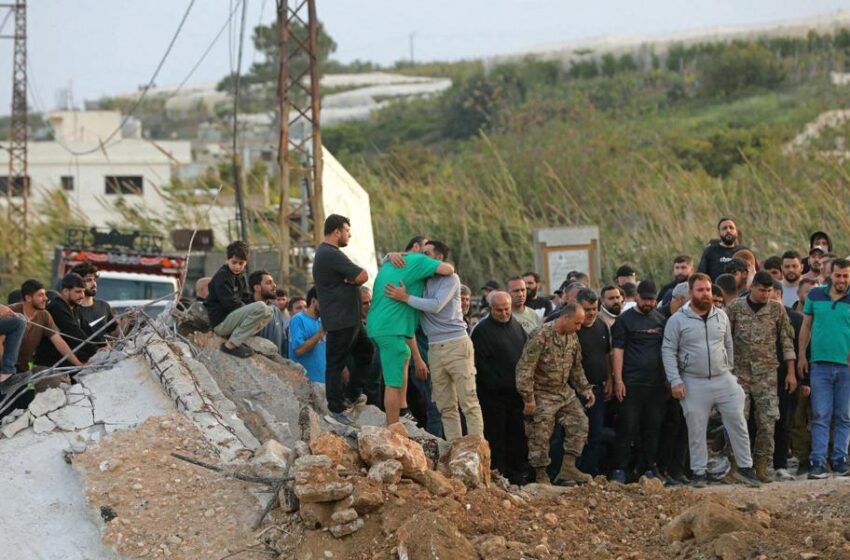
A fragile calm has returned to parts of Lebanon as a temporary ceasefire takes effect following weeks of intense conflict. The reopening of the heavily damaged Qasmiyeh Bridge marks one of the first visible signs of recovery, offering hope to communities affected by prolonged violence.
However, while the truce provides a moment of relief, uncertainty remains. The situation on the ground continues to evolve, and concerns about the durability of the ceasefire persist among residents and international observers.
Lebanon Truce Takes Effect as Qasmiyeh Bridge Reopens
The Lebanon truce takes effect as Qasmiyeh bridge reopens development represents a significant step toward restoring movement and connectivity in southern regions. The bridge, which spans the Litani River, serves as a critical link between southern Lebanon and other parts of the country.
Recent airstrikes had severely damaged the structure, disrupting transportation and cutting off key supply routes. Despite this damage, authorities managed to reopen a section of the bridge, allowing limited passage for civilians and essential services.
Residents were seen cautiously crossing the bridge shortly after the ceasefire began, signaling both resilience and the urgent need to reconnect communities.
A Ceasefire Born Out of Escalating Violence
The truce comes after weeks of escalating conflict involving military strikes, infrastructure damage, and widespread displacement. The violence intensified rapidly, affecting both urban and rural areas.
Airstrikes targeted key infrastructure, including roads, bridges, and communication networks. These actions disrupted daily life and complicated humanitarian efforts.
Therefore, the ceasefire represents a critical pause in hostilities, offering an opportunity for recovery and potential diplomatic progress. However, its temporary nature means that the situation remains highly volatile.
Humanitarian Impact and Displacement
The conflict has had a profound humanitarian impact on Lebanon. Thousands of families have been displaced, forced to leave their homes in search of safety.
Basic services such as healthcare, food supply, and electricity have been disrupted in several regions. As a result, humanitarian organizations face significant challenges in delivering aid to affected populations.
The reopening of the Qasmiyeh Bridge is particularly important in this context. It enables the movement of relief supplies and provides a route for displaced individuals attempting to return home.
However, many residents remain cautious, unsure whether it is safe to resume normal activities.
Infrastructure Damage and Economic Consequences
The destruction of infrastructure has added another layer of complexity to the crisis. Bridges, roads, and public facilities have suffered extensive damage, affecting both mobility and economic activity.
The Qasmiyeh Bridge, in particular, holds strategic importance. Its damage not only disrupted transportation but also impacted trade and local economies.
Reopening even a single lane represents progress, yet it also highlights the scale of reconstruction required. Restoring infrastructure will demand significant investment and coordinated efforts.
Moreover, prolonged disruptions can have lasting economic consequences, slowing recovery and increasing financial strain on affected communities.
The Role of International Mediation
The ceasefire was facilitated through diplomatic efforts involving international actors. These negotiations aimed to reduce tensions and create space for dialogue.
While the agreement marks a positive development, its success depends on adherence by all parties involved. Reports of sporadic violations have already raised concerns about its stability.
Therefore, continued diplomatic engagement remains essential to prevent a return to full-scale conflict.
Civilian Resilience and Community Response
Despite the challenges, communities in southern Lebanon have demonstrated remarkable resilience. Residents have begun returning to affected areas, assessing damage, and rebuilding their lives.
The reopening of the Qasmiyeh Bridge has become a symbol of this resilience. It represents not only physical connectivity but also hope for recovery.
At the same time, caution remains a dominant sentiment. Many individuals are balancing the desire to return home with concerns about safety.
The Broader Regional Context
The conflict in Lebanon is part of a broader pattern of instability in the Middle East. Regional tensions, political dynamics, and security challenges all contribute to the complexity of the situation.
Therefore, developments in Lebanon have implications beyond its borders. Stability in the country plays a role in regional security and economic conditions.
The Lebanon truce takes effect as Qasmiyeh bridge reopens moment highlights the interconnected nature of these challenges.
Challenges to Sustaining Peace
Maintaining the ceasefire will require sustained commitment from all parties. Trust remains fragile, and underlying issues have yet to be fully resolved.
Key challenges include ensuring compliance with the agreement, addressing security concerns, and rebuilding damaged infrastructure.
In addition, long-term stability will depend on addressing the root causes of the conflict. Without meaningful progress in these areas, the risk of renewed violence remains.
Looking Ahead: Recovery and Reconstruction
The immediate focus is on stabilizing the situation and supporting affected communities. Humanitarian assistance, infrastructure repair, and economic recovery efforts are critical priorities.
The reopening of the Qasmiyeh Bridge provides a starting point for these efforts. However, much work remains to restore normalcy.
Long-term recovery will require coordinated action from government authorities, international partners, and local communities.
Conclusion
The ceasefire in Lebanon offers a temporary reprieve from weeks of intense conflict. The Lebanon truce takes effect as Qasmiyeh bridge reopens development symbolizes both progress and the challenges that lie ahead.
While the reopening of the bridge restores a vital connection, the path to lasting peace remains uncertain. Continued efforts toward stability, reconstruction, and dialogue will determine whether this moment leads to sustained recovery or remains a brief pause in a prolonged conflict.