

US Denies Funding DR Congo Paramilitary Mine Guard Amid Rising Security Concerns
- Dr congo News
OurDailyAfrica Reporter
- 0
- 11 minutes read
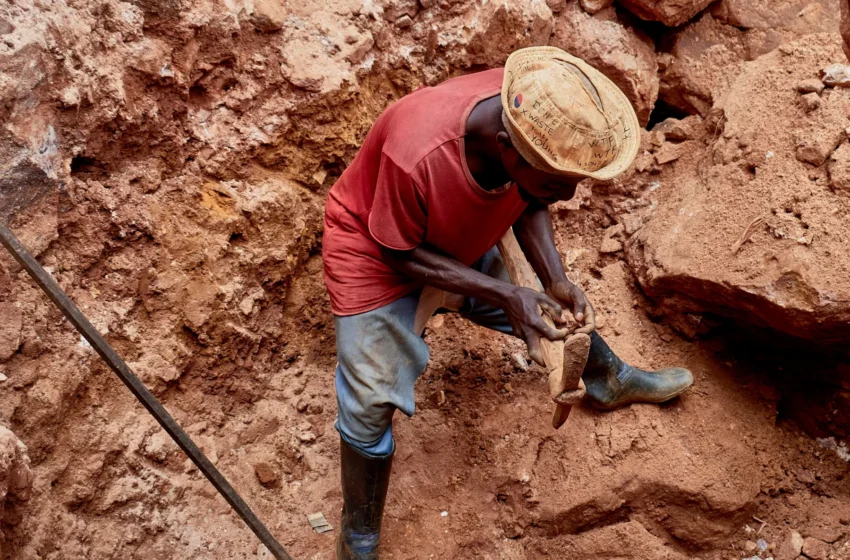
The United States has strongly denied allegations that it is financing a paramilitary force assigned to protect mining operations in the Democratic Republic of Congo. The denial comes amid growing scrutiny over foreign involvement in the country’s vast mineral sector and rising concerns about security arrangements around strategic mining sites.
Officials from the United States described the claims as inaccurate and misleading, stressing that their engagement in the Democratic Republic of Congo remains focused on promoting transparency, stability, and lawful economic development. The statement aims to clarify Washington’s position as debates intensify over the role of private security and armed groups in resource-rich regions.
US Denies Funding DR Congo Paramilitary Mine Guard Claims
The issue gained attention following reports suggesting that external actors, including the United States, may have supported a paramilitary group responsible for safeguarding mining interests. However, US authorities have categorically rejected these claims, stating that no such funding exists.
The US denies funding DR Congo paramilitary mine guard position reflects a broader effort to distance the country from any form of armed involvement in the region’s mining operations. Officials emphasised that US policies prioritise lawful engagement and do not support unofficial or irregular security forces.
Furthermore, the denial highlights concerns about misinformation and the potential impact such claims can have on diplomatic relations and public perception.
Mining Sector Remains Central to DR Congo’s Economy
The Democratic Republic of Congo holds some of the world’s largest reserves of critical minerals, including cobalt, copper, and lithium. These resources play a vital role in global industries, particularly in the production of batteries and renewable energy technologies.
As demand for these minerals continues to grow, competition for access and control has intensified. This situation has increased the need for security around mining operations, especially in regions affected by instability.
The US denies funding DR Congo paramilitary mine guard narrative therefore emerges within a complex environment where economic interests, security challenges, and international involvement intersect.
Security Challenges in Mining Regions
Mining areas in the Democratic Republic of Congo often face security risks, including the presence of armed groups and illegal mining activities. These challenges have led to increased reliance on security arrangements to protect assets and personnel.
However, the use of paramilitary forces raises significant concerns. Critics argue that such groups can contribute to instability, human rights abuses, and lack of accountability.
The US denies funding DR Congo paramilitary mine guard statement underscores the sensitivity of these issues. It also highlights the importance of ensuring that security measures align with international standards and legal frameworks.
US Emphasises Commitment to Transparency and Lawful Engagement
In response to the allegations, US officials reiterated their commitment to transparency and responsible investment practices. They stressed that any involvement in the Democratic Republic of Congo’s mining sector is conducted through official channels and in accordance with international regulations.
The US denies funding DR Congo paramilitary mine guard position aligns with broader US efforts to promote ethical sourcing of minerals. This includes initiatives aimed at reducing conflict-related exploitation and improving governance within the sector.
By clarifying its stance, the United States seeks to reinforce its role as a partner in sustainable development rather than a contributor to instability.
Growing Global Interest in Critical Minerals
The Democratic Republic of Congo’s mineral wealth has attracted significant global attention. As countries transition toward cleaner energy systems, the demand for critical minerals has surged.
This increased interest has brought both opportunities and challenges. On one hand, it creates potential for economic growth and development. On the other hand, it raises concerns about resource control, environmental impact, and social responsibility.
The US denies funding DR Congo paramilitary mine guard issue reflects the broader geopolitical dynamics surrounding access to these valuable resources.
Concerns Over Misinformation and Diplomatic Relations
US officials also expressed concern about the spread of misinformation related to the allegations. They warned that inaccurate claims can damage diplomatic relations and create unnecessary tensions.
The US denies funding DR Congo paramilitary mine guard response aims to address these concerns by providing clear and direct communication.
Accurate information is essential for maintaining trust between countries and ensuring constructive engagement on shared challenges.
The Role of Governance in the Mining Sector
Effective governance remains a key factor in managing the Democratic Republic of Congo’s mining industry. Strong regulatory frameworks, transparency, and accountability are essential for ensuring that resources benefit the country’s population.
The US denies funding DR Congo paramilitary mine guard discussion highlights the need for clear oversight of security arrangements within the sector.
By strengthening governance, authorities can reduce the risks associated with informal or unregulated security forces.
International Efforts to Promote Responsible Mining
Global initiatives continue to focus on improving standards within the mining sector. These efforts aim to ensure that mineral extraction does not contribute to conflict or human rights violations.
The United States has been involved in several programmes designed to support responsible sourcing and improve supply chain transparency.
The US denies funding DR Congo paramilitary mine guard position reinforces the importance of these initiatives and the need for continued international cooperation.
Economic and Social Implications
The mining sector plays a crucial role in the Democratic Republic of Congo’s economy. It provides employment, generates revenue, and supports infrastructure development.
However, challenges such as security risks and governance issues can limit the sector’s potential. Addressing these challenges is essential for achieving sustainable growth.
The US denies funding DR Congo paramilitary mine guard issue highlights the importance of balancing economic interests with social responsibility.
A Critical Moment for Policy and Oversight
The controversy surrounding the allegations comes at a time when global attention on critical minerals is increasing. Policymakers must navigate complex challenges related to security, investment, and regulation.
The US denies funding DR Congo paramilitary mine guard statement serves as a reminder of the need for clear policies and effective oversight.
Ensuring transparency and accountability will be key to maintaining stability and fostering trust among stakeholders.
Conclusion
The United States’ firm denial of funding a paramilitary mine guard in the Democratic Republic of Congo underscores the sensitivity of security and investment issues in the country’s mining sector. As global demand for critical minerals continues to rise, the need for responsible and transparent practices becomes increasingly important.
The US denies funding DR Congo paramilitary mine guard narrative highlights the intersection of economic interests, security concerns, and international relations. Moving forward, collaboration between governments, investors, and local communities will be essential to ensure that the sector contributes to sustainable development.
Ultimately, the focus must remain on promoting lawful engagement, strengthening governance, and protecting the well-being of communities affected by mining activities.