

Greek Foreign Minister in Libya for Talks on Migration, Maritime Borders and Economic Ties
- Libya News
OurDailyAfrica Reporter
- 0
- 10 minutes read
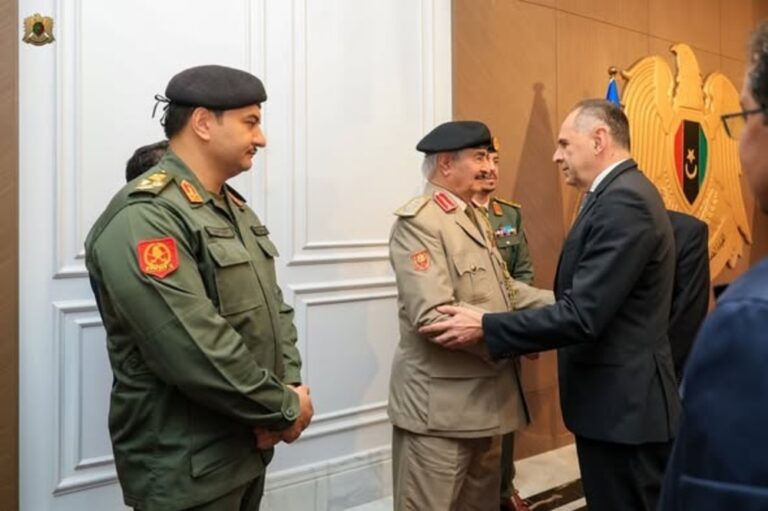
The visit of Giorgos Gerapetritis to Libya marks a renewed diplomatic effort to strengthen relations between the two Mediterranean neighbours. The high-level talks focused on key issues shaping regional stability, including migration flows, maritime border disputes, and economic cooperation.
The discussions come at a critical time, as both countries seek to manage complex geopolitical challenges while advancing mutual interests. For Greece, Libya remains a strategic partner in addressing migration concerns and resolving longstanding maritime disagreements. For Libya, the engagement offers an opportunity to boost economic recovery and deepen international partnerships.
Greek FM Libya Talks Migration and Regional Security
The Greek FM Libya talks migration agenda dominated discussions during the visit. Migration remains a major concern for Greece, as thousands of migrants attempt to cross the Mediterranean from North Africa each year.
Greek authorities have increasingly focused on cooperation with Libya to curb irregular migration routes. During the talks, both sides emphasised the need for coordinated action, improved border control, and stronger collaboration between security agencies.
Officials highlighted the importance of addressing the root causes of migration, including conflict, economic instability, and lack of opportunities. By working together, Greece and Libya aim to reduce dangerous sea crossings and improve regional stability.
Maritime Borders at the Centre of Diplomatic Engagement
Another major focus of the visit was the ongoing issue of maritime border delimitation. Greece and Libya have long disagreed over the boundaries of their exclusive economic zones in the Mediterranean.
The Greek FM Libya talks migration discussions also included efforts to advance technical negotiations on maritime borders. Both countries agreed to continue dialogue through joint committees and expert-level meetings.
These talks are particularly important due to the economic significance of maritime zones. The Mediterranean region holds valuable energy resources, making clear boundary agreements essential for exploration and development.
Officials stressed the need to resolve disputes in line with international law, while maintaining constructive dialogue and mutual respect.
Economic Cooperation Gains Momentum
In addition to migration and maritime issues, economic cooperation formed a key part of the discussions. Both countries expressed interest in expanding trade, investment, and infrastructure development.
The visit highlighted opportunities for Greek companies to participate in Libya’s reconstruction efforts. As Libya continues to rebuild after years of conflict, foreign investment plays a crucial role in driving growth.
The Greek FM Libya talks migration framework also included discussions on enhancing economic ties through improved connectivity, trade agreements, and business partnerships.
Officials explored ways to facilitate the return of international companies and strengthen bilateral trade relations. These efforts aim to create a more stable and prosperous economic environment.
Strengthening Bilateral Relations in a Complex Region
Relations between Greece and Libya have experienced fluctuations in recent years, largely due to geopolitical tensions and maritime disputes. However, both countries now appear committed to rebuilding trust and strengthening cooperation.
The visit by Giorgos Gerapetritis signals a renewed diplomatic approach focused on dialogue and partnership.
The Greek FM Libya talks migration initiative reflects a broader strategy to stabilise relations and address shared challenges. By engaging directly, both countries aim to move beyond past disagreements and build a more constructive relationship.
Addressing Migration Through Cooperation
Migration remains one of the most pressing issues in the Mediterranean region. Libya serves as a key transit point for migrants attempting to reach Europe, making cooperation with Greece essential.
During the talks, both sides emphasised the importance of coordinated efforts to manage migration flows. This includes strengthening border controls, improving search and rescue operations, and tackling human trafficking networks.
The Greek FM Libya talks migration discussions also highlighted the need for international support. Addressing migration effectively requires collaboration with regional and global partners.
By working together, Greece and Libya hope to create a more sustainable approach to migration management.
Advancing Maritime Negotiations
The maritime dispute between Greece and Libya has been a longstanding issue, particularly in areas believed to contain significant energy resources.
The visit provided an opportunity to revive negotiations and build momentum toward a potential agreement. Both countries agreed to continue discussions through technical committees focused on defining maritime boundaries.
The Greek FM Libya talks migration agenda therefore extends beyond migration, encompassing broader geopolitical and economic considerations.
Progress in these negotiations could unlock new opportunities for energy exploration and regional cooperation.
Economic Opportunities and Investment Potential
Libya’s reconstruction efforts present significant opportunities for foreign investment. Greek companies are well-positioned to contribute to infrastructure development, energy projects, and trade expansion.
The talks explored ways to enhance economic collaboration and create favourable conditions for investment. This includes improving regulatory frameworks, facilitating business operations, and strengthening bilateral agreements.
The Greek FM Libya talks migration discussions highlight the importance of economic cooperation in building long-term stability.
By fostering economic ties, both countries can benefit from increased trade and shared growth.
Regional Stability and Diplomatic Engagement
The Mediterranean region faces a range of challenges, including migration, security concerns, and geopolitical tensions. Strengthening bilateral relations between Greece and Libya is seen as a key step toward addressing these issues.
The visit underscores the importance of diplomacy in managing complex regional dynamics. Through dialogue and cooperation, countries can find common ground and work toward shared goals.
The Greek FM Libya talks migration initiative reflects a commitment to peaceful engagement and mutual understanding.
A Renewed Focus on Partnership
Both Greece and Libya have expressed a strong desire to deepen their partnership. The visit marks a new phase in bilateral relations, characterised by increased cooperation and strategic alignment.
The Greek FM Libya talks migration framework provides a foundation for continued engagement on key issues. By maintaining open communication and collaboration, both countries can address challenges more effectively.
Conclusion
The visit of Giorgos Gerapetritis to Libya highlights a renewed effort to strengthen ties between the two nations. Through discussions on migration, maritime borders, and economic cooperation, both countries have demonstrated a commitment to addressing shared challenges.
The Greek FM Libya talks migration agenda reflects the importance of collaboration in achieving regional stability and economic growth. As negotiations continue, the focus will remain on building trust, advancing agreements, and delivering tangible outcomes.
Ultimately, the success of these efforts will depend on sustained dialogue, strategic planning, and a shared commitment to progress.