
Ghana Begins Repatriation of Citizens From South Africa Amid Rising Tensions
- Ghana News South Africa
OurDailyAfrica Reporter
- 0
- 11 minutes read
The Ghanaian government has announced plans to repatriate hundreds of its citizens from South Africa following growing concerns over xenophobic attacks and anti-immigrant protests. The decision comes after reports of intimidation, violence, and harassment targeting foreign nationals in several South African cities.
According to Ghanaian officials, approximately 300 citizens have registered for voluntary evacuation through the Ghana High Commission in Pretoria. President John Dramani Mahama approved the repatriation exercise to ensure the safety and welfare of affected Ghanaians living in South Africa.
The situation has increased diplomatic concern across Africa as several governments monitor developments in South Africa closely. Consequently, countries including Nigeria, Kenya, Malawi, Zimbabwe, and Lesotho have advised their citizens to remain vigilant.
Ghana Begins Repatriation of Citizens From South Africa
Ghana’s Ministry of Foreign Affairs confirmed that preparations for the evacuation are already underway. The government explained that affected citizens had earlier complied with official advisories and registered with the Ghana High Commission for assistance.
Foreign Affairs Minister Samuel Okudzeto Ablakwa stated that the evacuation exercise reflects Ghana’s commitment to protecting its citizens abroad. He explained that the government would continue monitoring the situation while providing support for distressed nationals.
Officials revealed that many Ghanaians requested assistance after fears increased over recent protests targeting immigrants and foreign-owned businesses in South Africa. Some affected areas reportedly include parts of Durban and KwaZulu-Natal.
The repatriation process will focus mainly on citizens who feel unsafe or face economic hardship because of the unrest. Furthermore, Ghanaian authorities urged citizens in South Africa to remain calm and cooperate with diplomatic officials throughout the process.
Rising Xenophobic Attacks Cause Regional Concern
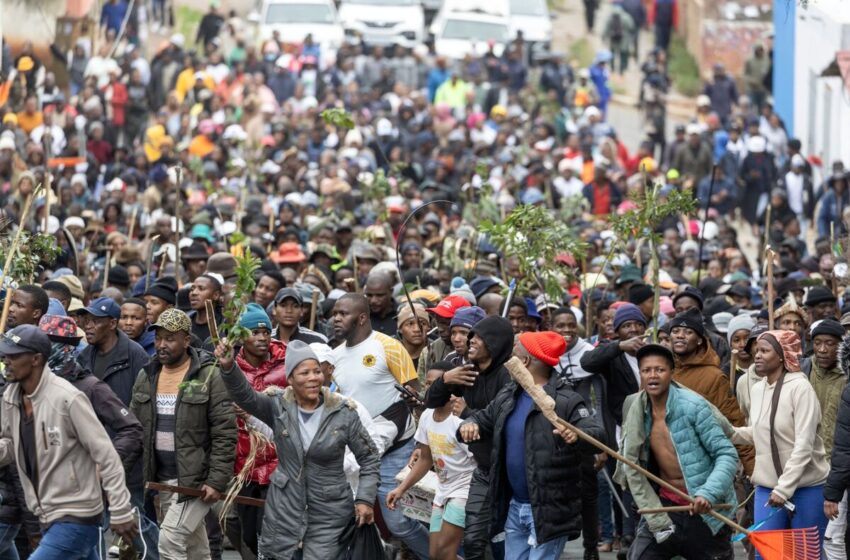
Recent protests against undocumented migration in South Africa have created tension across several communities. Demonstrations in some cities reportedly turned violent, leading to fears among African migrants living in the country.
Foreign nationals from sub-Saharan African countries appear to be among the most affected groups. Videos circulating on social media showed incidents of harassment, intimidation, and attacks against immigrants and foreign-owned businesses. Consequently, African governments began expressing concern for their citizens.
South Africa has experienced several waves of xenophobic violence over the past two decades. Many immigrants living in the country often face accusations of taking jobs, housing, and business opportunities from local citizens.
South Africa’s unemployment crisis has contributed significantly to public frustration. Current unemployment rates remain above 30 percent, especially among young people. As a result, anti-immigrant sentiment has grown in some communities.
Several activist groups and protest movements have also intensified campaigns against undocumented migration. Operation Dudula, one of the most controversial groups, has faced criticism over actions targeting immigrants and restricting access to public services for foreign nationals.
Ramaphosa Condemns Xenophobic Violence
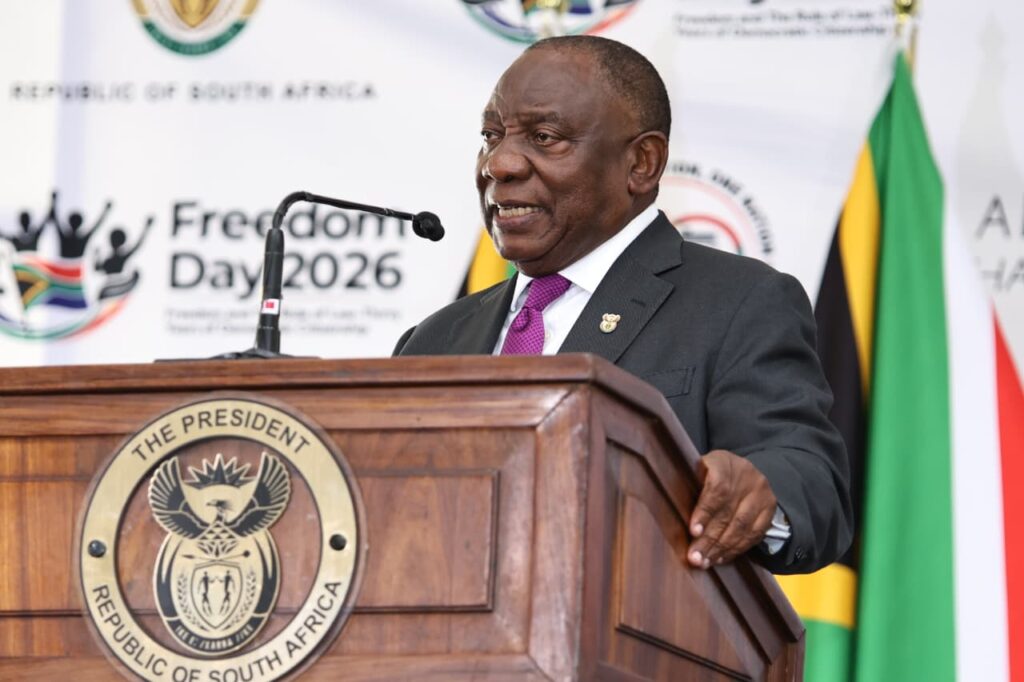
South African President Cyril Ramaphosa has publicly condemned the attacks and anti-immigrant violence. In a national statement, he stressed that xenophobia does not represent the values of South Africa or its government.
Ramaphosa acknowledged growing public concerns about illegal immigration. However, he insisted that immigration challenges must be handled through lawful and constitutional processes instead of violence or intimidation.
The president warned that no group has the authority to take the law into its own hands. He also stated that criminal attacks against foreigners damage South Africa’s reputation across Africa and internationally.
Despite these assurances, concerns continue growing among migrant communities. Many immigrants fear that tensions could escalate further if protests continue spreading to additional cities.
Nigeria and Other African Countries Respond
Ghana is not the only country responding to the unrest in South Africa. Nigeria also announced plans to support citizens seeking voluntary repatriation.
Reports indicate that more than 130 Nigerians have already requested assistance to return home. Nigerian authorities explained that they established emergency response systems to support citizens affected by the violence.
Other African governments have also issued safety advisories for citizens living in South Africa. Kenya, Zimbabwe, Malawi, and Lesotho encouraged nationals to avoid high-risk areas and remain alert during the ongoing tensions.
The African Union may also become involved in discussions regarding the situation. Ghanaian officials reportedly called for broader continental action to address xenophobia and improve migrant protection across Africa.
Ghanaian Community in South Africa Faces Uncertainty
South Africa hosts one of the largest African migrant populations on the continent. Thousands of Ghanaians live and work there in sectors such as retail, education, transportation, hospitality, and small business.
Many Ghanaian migrants moved to South Africa seeking better economic opportunities and business growth. However, repeated outbreaks of xenophobic violence have created long-term uncertainty for immigrant communities.
The Ghana High Commission in Pretoria confirmed that registration for voluntary evacuation remains ongoing. Officials encouraged citizens facing threats or economic difficulties to contact diplomatic authorities for assistance.
Some Ghanaian business owners also reportedly suffered financial losses during recent protests. Foreign-owned shops and businesses became targets in certain affected areas, increasing fears among migrant entrepreneurs.
Despite these challenges, many immigrants still hope tensions will ease soon. Several community leaders have called for dialogue and peaceful coexistence between South Africans and foreign nationals.
South Africa Faces Pressure Over Immigration Policies
The crisis has renewed debate about immigration policies in South Africa. Government officials continue balancing concerns about illegal migration with pressure to protect human rights and maintain regional unity.
South Africa remains one of Africa’s biggest economies and attracts migrants from many neighboring countries. Consequently, immigration issues continue influencing politics, employment debates, and social tensions.
Recently, South Africa’s Constitutional Court ruled that failed asylum seekers cannot remain in the country while submitting repeated asylum applications. The Department of Home Affairs welcomed the judgment and described it as an important step toward reducing abuse of the asylum system.
However, human rights groups argue that stricter immigration policies alone cannot solve deeper economic and social problems. Many experts believe unemployment, poverty, crime, and inequality continue driving public frustration across the country.
Repatriation Exercise Highlights Regional Challenges
The evacuation of Ghanaian citizens highlights broader challenges facing African migration and regional integration. African countries continue promoting free movement and economic cooperation through organisations such as ECOWAS and the African Union.
Nevertheless, economic pressures and political tensions often complicate migration relationships between African states.
Ghana has traditionally maintained strong diplomatic ties with South Africa. Therefore, officials from both countries are expected to continue diplomatic discussions regarding the protection of foreign nationals and regional stability.
Meanwhile, Ghanaian authorities insist that the repatriation exercise remains voluntary. Citizens who wish to remain in South Africa may continue doing so while following safety advisories issued by diplomatic missions.
The government also promised to provide support and reintegration assistance for returning citizens once they arrive in Ghana.
African Leaders Call for Unity and Peace
Several African leaders and diplomats continue urging calm as tensions remain high in South Africa. Many observers fear that continued violence against foreign nationals could damage regional cooperation and economic integration across Africa.
Political analysts argue that African countries must strengthen collaboration on migration management, economic development, and public education to reduce future tensions.
At the same time, many African citizens living abroad continue hoping for safer conditions and improved protection from xenophobic violence.
For Ghana, the decision to repatriate affected citizens reflects growing concern for national welfare and citizen protection abroad. While authorities hope conditions improve soon, the government remains focused on ensuring the safety of Ghanaians living in South Africa.