
Airstrikes in Northeast Nigeria Kill Over 200 as Security Crisis Deepens
- News Nigeria
OurDailyAfrica Reporter
- 0
- 9 minutes read
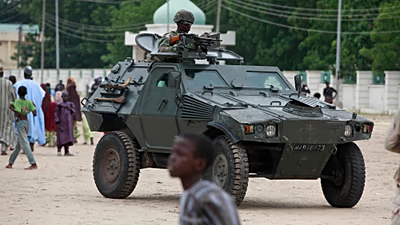
A devastating wave of violence has struck northeast Nigeria, where airstrikes have reportedly killed more than 200 people, intensifying concerns over the country’s ongoing security crisis. The incident has sparked national and international reactions, raising urgent questions about civilian safety, military operations, and the broader implications for stability in the region.
The tragedy underscores the fragile security situation in northeastern Nigeria, an area that has long faced insurgency, counterterrorism operations, and humanitarian challenges. As details continue to emerge, the scale of the loss highlights the urgent need for coordinated responses to protect lives and restore confidence in security efforts.
Airstrikes in Northeast Nigeria Kill Over 200
The airstrikes in northeast Nigeria kill over 200 incident represents one of the deadliest episodes in the region in recent times. Reports indicate that the strikes targeted areas affected by ongoing insurgent activity, but the high number of casualties has raised serious concerns about the impact on civilians.
Eyewitness accounts describe scenes of destruction, with communities left devastated and families mourning the loss of loved ones. The aftermath reveals not only the physical damage but also the emotional and psychological toll on affected populations.
As authorities assess the situation, the focus has shifted toward understanding how such a large number of casualties occurred and whether adequate precautions were in place to prevent civilian harm.
Escalating Security Challenges in Northeast Nigeria
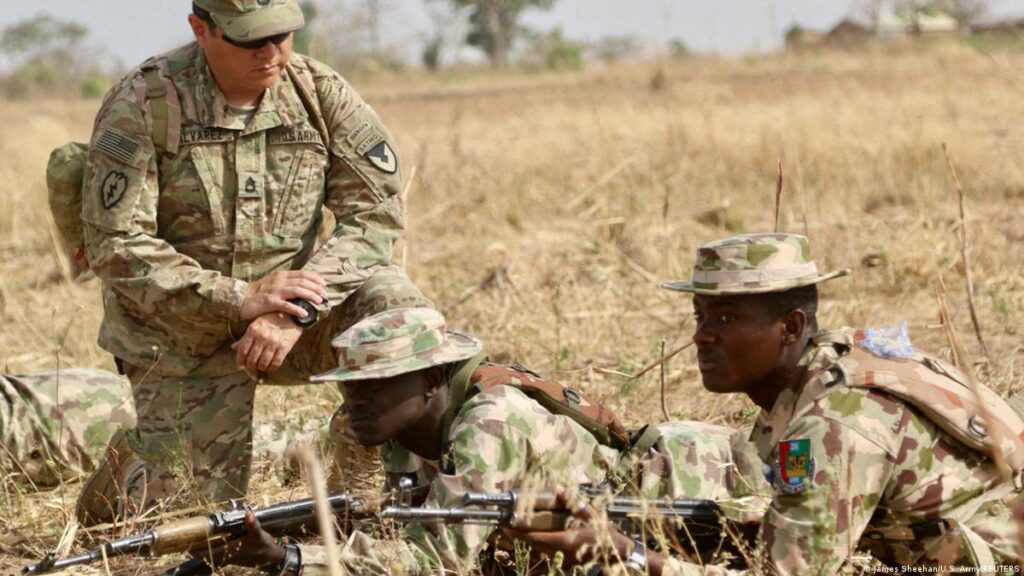
Northeast Nigeria has remained a hotspot for insecurity for over a decade. The region has experienced persistent violence linked to insurgent groups, leading to widespread displacement and humanitarian crises.
Military operations have aimed to counter these threats, yet the complexity of the conflict continues to pose challenges. The airstrikes in northeast Nigeria kill over 200 development highlights the difficulty of balancing security objectives with civilian protection.
Furthermore, the presence of vulnerable communities in conflict zones increases the risk of unintended casualties during military engagements. As a result, calls for more precise and accountable operations have intensified.
Humanitarian Impact and Civilian Concerns
The humanitarian implications of the incident are significant. Families have been displaced, and access to essential services has been disrupted. Relief organizations are working to provide assistance, but the scale of the crisis presents ongoing challenges.
Civilians remain at the center of the crisis, often caught between insurgent activities and military responses. Therefore, ensuring their safety must remain a top priority.
The airstrikes in northeast Nigeria kill over 200 tragedy has renewed discussions about the need for improved safeguards, including better intelligence, targeted operations, and enhanced coordination with local communities.
Government Response and Accountability
Authorities in Nigeria have acknowledged the incident and initiated efforts to investigate the circumstances surrounding the airstrikes. Officials have emphasized the importance of transparency and accountability in addressing the situation.
At the same time, there is growing pressure on the government to review its security strategies. Ensuring that military operations minimize civilian harm is essential for maintaining public trust and international credibility.
The airstrikes in northeast Nigeria kill over 200 case serves as a critical test of the government’s commitment to balancing security with human rights.
International Reactions and Global Attention
The scale of the tragedy has drawn attention from the international community. Observers have expressed concern over the loss of life and the broader implications for regional stability.
Global organizations and partners continue to monitor developments, emphasizing the importance of adherence to international humanitarian law. In addition, they have called for measures to prevent similar incidents in the future.
This level of attention highlights the interconnected nature of security challenges and the need for collaborative solutions.
The Broader Context of Counterterrorism Efforts
The conflict in northeast Nigeria forms part of a broader struggle against insurgency in the Lake Chad Basin region. Countries in the area have coordinated efforts to address security threats, yet challenges persist.
The airstrikes in northeast Nigeria kill over 200 incident underscores the complexity of counterterrorism operations. While military action remains necessary, it must be carefully executed to avoid exacerbating humanitarian crises.
Balancing these priorities requires strategic planning, advanced technology, and continuous evaluation of operational effectiveness.
Rebuilding Trust and Strengthening Security
Restoring trust among affected communities is essential in the aftermath of the tragedy. Public confidence in security institutions depends on transparency, accountability, and effective communication.
Community engagement can also play a crucial role in improving security outcomes. By involving local populations in decision-making processes, authorities can gain valuable insights and enhance cooperation.
The airstrikes in northeast Nigeria kill over 200 event highlights the need for a more inclusive approach to security that prioritizes both protection and participation.
Looking Ahead: Preventing Future Tragedies
Preventing similar incidents requires a comprehensive approach that addresses both immediate and long-term challenges. This includes improving intelligence systems, enhancing training for security personnel, and strengthening oversight mechanisms.
In addition, investment in social and economic development can help address underlying factors contributing to insecurity. By creating opportunities and improving living conditions, the risk of conflict can be reduced.
The airstrikes in northeast Nigeria kill over 200 tragedy serves as a stark reminder of the consequences of unresolved security issues. Therefore, sustained efforts are necessary to achieve lasting peace.
Conclusion
The devastating loss of over 200 lives in northeast Nigeria marks a critical moment in the country’s ongoing security challenges. The airstrikes in northeast Nigeria kill over 200 incident has intensified calls for accountability, improved military strategies, and greater protection for civilians.
As investigations continue and responses unfold, the focus must remain on preventing future tragedies and supporting affected communities. Ultimately, achieving stability in the region will require a balanced approach that prioritizes both security and human dignity.