
WHO Emergency Supplies Arrive in Bunia as Ebola Death Toll Reaches 136
- News Dr congo Health
OurDailyAfrica Reporter
- 0
- 11 minutes read
The World Health Organization has intensified emergency operations in the Democratic Republic of Congo as the country battles a rapidly spreading Ebola outbreak that has already claimed 136 lives. Health authorities continue racing against time to contain the deadly virus while international agencies mobilize medical supplies and emergency response teams across affected regions.
The latest outbreak involves the rare Bundibugyo strain of Ebola, a dangerous variant with no approved vaccine or specific treatment currently available. Consequently, health experts remain deeply concerned about the scale, speed, and regional spread of the epidemic.
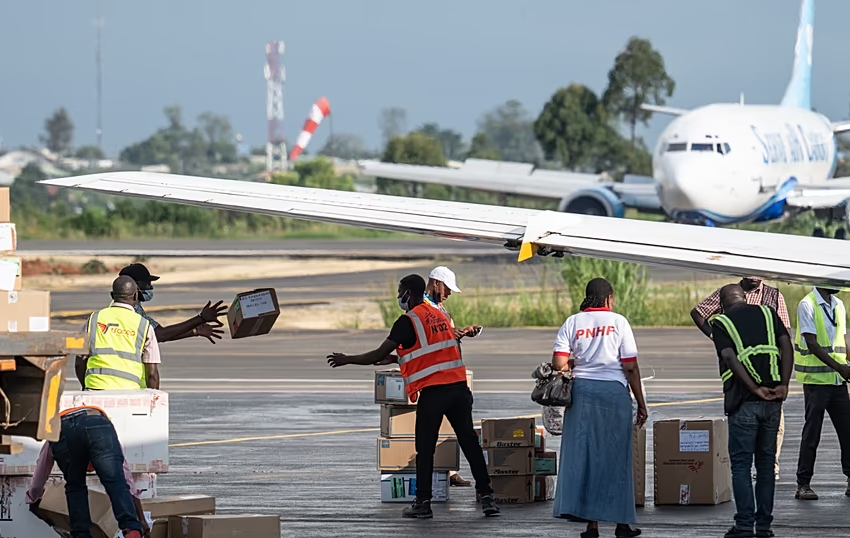
Emergency medical supplies have now arrived in Bunia, a strategic city near the outbreak’s epicenter in Ituri province. Authorities hope the additional support will strengthen containment efforts and improve healthcare response capacity in eastern Congo.
WHO Emergency Supplies Arrive in Bunia Amid Ebola Crisis
The World Health Organization recently dispatched 18 tonnes of emergency medical supplies to the Democratic Republic of Congo as Ebola infections and fatalities continue increasing rapidly. The shipment includes personal protective equipment, hospital beds, tents, laboratory materials, and sample collection tools for frontline health workers.
WHO officials confirmed that Bunia will serve as a major logistics and coordination center for the emergency response because of its location near the outbreak zone in Ituri province.
According to health authorities, supplies arrived from WHO warehouses located in Kenya, Senegal, and Kinshasa. Additional shipments may also arrive from international storage facilities in Dubai as response operations continue expanding.
The organization is also working closely with the World Food Programme and other humanitarian agencies to improve storage, transportation, and distribution systems for emergency supplies throughout affected communities.
Ebola Death Toll Continues Rising Across Eastern Congo
The latest Ebola outbreak has now caused at least 136 deaths in eastern Congo, while health officials continue investigating hundreds of suspected cases. Authorities also confirmed that infections have spread beyond Ituri province into major urban centers, including Goma and Kinshasa.
Congolese health officials reported more than 500 suspected cases linked to the outbreak. Additionally, confirmed cases have already appeared in neighboring Uganda after infected individuals crossed the border from Congo.
The outbreak has created growing concern because the virus circulated undetected for several weeks before health officials identified the Bundibugyo strain. Consequently, contact tracing and containment operations became significantly more difficult.
Health workers continue searching for exposed individuals while monitoring possible infections across multiple provinces and border regions.
Bundibugyo Ebola Strain Raises Global Concern
Health experts remain particularly worried because the current outbreak involves the Bundibugyo strain of Ebola, one of the rarest forms of the virus.
Unlike the more common Zaire strain, the Bundibugyo variant currently has no approved vaccine or virus-specific treatment. As a result, healthcare authorities face additional challenges while attempting to contain infections and reduce fatalities.
The Bundibugyo strain first appeared in Uganda in 2007 before another outbreak occurred in Congo in 2012. Previous outbreaks involving this variant recorded mortality rates ranging between 30 and 50 percent.
Symptoms usually begin with fever, headaches, fatigue, muscle pain, and weakness. However, infected patients may later develop vomiting, diarrhea, bleeding, and severe organ complications.
Medical experts explained that limited diagnostic capacity slowed early detection because standard Ebola tests mainly target the Zaire strain. Consequently, the virus spread across several communities before authorities confirmed the outbreak officially.
WHO Declares International Health Emergency
The World Health Organization officially classified the outbreak as a Public Health Emergency of International Concern because of the increasing risk of regional spread.
WHO Director-General Tedros Adhanom Ghebreyesus expressed serious concern regarding the scale and speed of the outbreak, especially because infections have emerged in conflict-affected and densely populated areas.
The emergency declaration allows international agencies and governments to coordinate funding, deploy medical teams, and strengthen surveillance systems more effectively.
Regional governments have also intensified border screening and public health preparedness measures to reduce transmission risks.
Conflict and Humanitarian Crisis Complicate Containment
Containing the Ebola outbreak remains extremely difficult because eastern Congo continues facing armed violence, displacement, poverty, and weak healthcare infrastructure.
Several affected communities remain difficult to access because of insecurity and poor transportation systems. Additionally, large population movements across border areas continue increasing transmission risks.
The United Nations recently warned that nearly nine million people across Ituri, North Kivu, and South Kivu provinces already face severe food insecurity and humanitarian hardship. Consequently, the Ebola outbreak places additional pressure on already fragile health systems.
Aid agencies also reported that only a portion of the required health funding has been secured so far. International organizations therefore continue appealing for urgent global support.
Uganda and Rwanda Strengthen Border Controls
Neighboring countries have already increased surveillance and border restrictions as fears of regional spread continue growing.
Uganda confirmed Ebola-related deaths linked to travelers arriving from Congo and has since strengthened monitoring procedures at major crossing points. Authorities also quarantined several contacts connected to confirmed cases.
Meanwhile, Rwanda tightened border controls near Goma while increasing temperature checks and health screenings for travelers entering the country.
Health experts believe stronger regional cooperation will remain essential for controlling the outbreak before it spreads further across East and Central Africa.
International Agencies Mobilize Emergency Support
Several humanitarian and medical organizations continue deploying emergency response teams to support Congo’s outbreak response efforts.
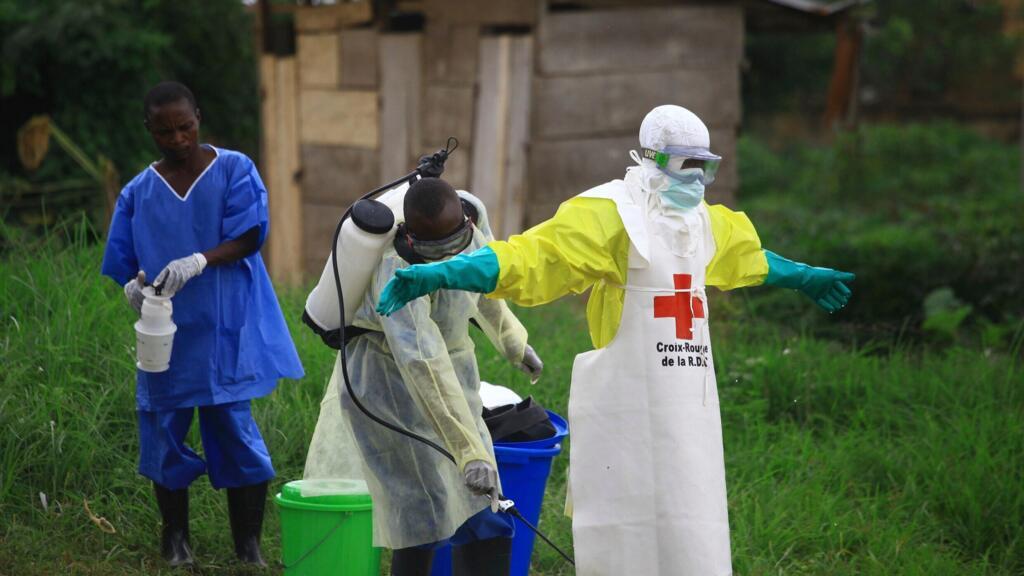
Groups including Médecins Sans Frontières, the International Rescue Committee, Africa CDC, and WHO are assisting with contact tracing, patient isolation, laboratory support, and public education campaigns.
Emergency teams are also establishing treatment centers while distributing protective equipment to healthcare workers operating in high-risk areas.
Meanwhile, scientists continue evaluating possible treatment and vaccine options for the Bundibugyo strain. However, experts warned that approved solutions may still require additional time and research.
Ebola Crisis Raises Global Health Concerns
The latest Ebola outbreak has once again highlighted global concerns regarding infectious disease preparedness and emergency response systems.
Health experts warned that delayed detection, limited healthcare funding, and reduced international health support may have contributed to the rapid spread of the virus.
Previous Ebola outbreaks across Africa caused major humanitarian and economic crises. Consequently, international agencies continue emphasizing the importance of rapid containment and stronger public health investment.
Although emergency operations continue expanding, experts warn that the coming weeks may become critical in determining whether the outbreak remains regionally contained or develops into a broader international crisis.
Health Authorities Urge Public Vigilance
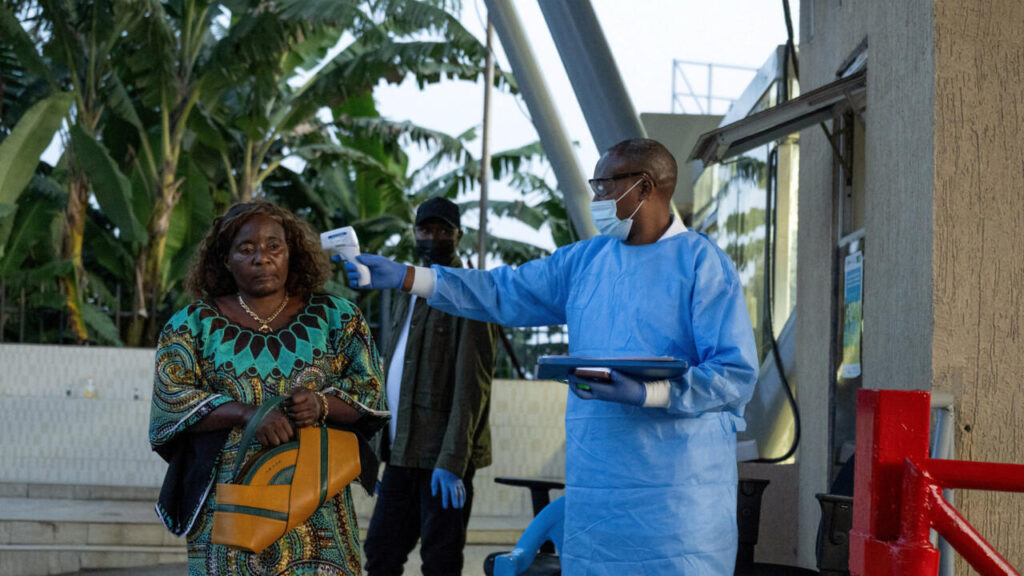
Public health officials continue encouraging citizens across affected regions to remain alert and follow safety guidelines carefully.
Authorities advise people to avoid contact with infected individuals, report symptoms immediately, and cooperate with medical teams conducting contact tracing and health monitoring.
Public awareness campaigns also emphasize hygiene, safe burial practices, and community education as essential tools for reducing transmission risks.
While emergency supplies and international assistance continue arriving in Bunia and surrounding areas, the Ebola outbreak remains a serious challenge for Congo and the wider African region.
Governments, healthcare workers, and humanitarian organizations now face enormous pressure to contain the virus before additional lives are lost.