
Ramaphosa Refuses to Resign as South Africa Faces Impeachment Inquiry
- News South Africa
OurDailyAfrica Reporter
- 0
- 10 minutes read
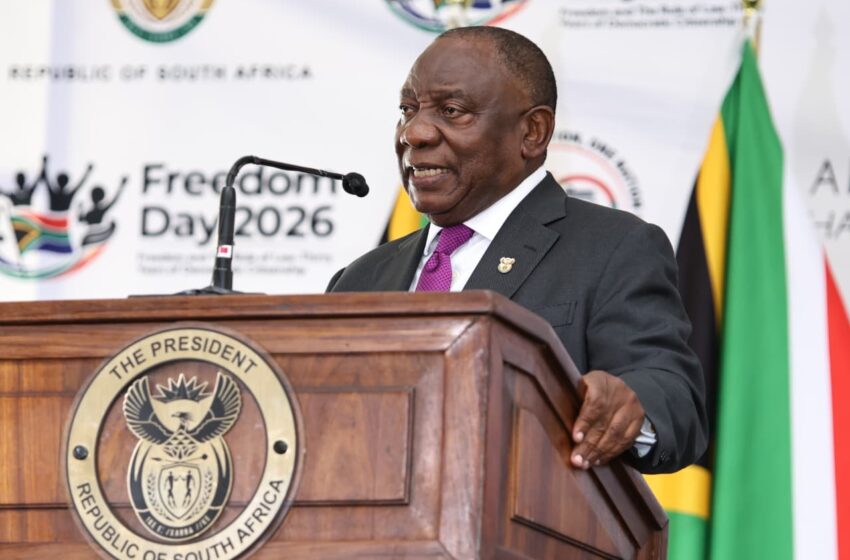
South African President Cyril Ramaphosa has declared that he will not resign despite growing pressure over a renewed impeachment inquiry linked to the controversial Phala Phala scandal. The development has intensified political tensions in South Africa as Parliament prepares to investigate allegations of misconduct against the president.
Ramaphosa addressed the nation after South Africa’s Parliament announced plans to establish an impeachment committee. The committee will investigate allegations connected to the theft of foreign currency hidden at the president’s Phala Phala game farm. According to reports, more than $580,000 in cash was stolen from furniture at the farm in 2020.
The president insisted that he had done nothing wrong. He also stated clearly that resigning would undermine constitutional processes and suggest guilt before investigations conclude. Consequently, Ramaphosa vowed to challenge the parliamentary findings through legal channels.
Ramaphosa Refuses to Resign Over Phala Phala Scandal
The Phala Phala scandal has followed Ramaphosa for several years. The controversy began after reports emerged that large sums of foreign currency were hidden inside furniture at his private farm. Former South African intelligence official Arthur Fraser accused the president of concealing the theft and avoiding proper legal procedures.
Ramaphosa has repeatedly defended himself against the accusations. According to the president, the money came from the legal sale of buffalo at his game farm. He also denied allegations involving corruption, money laundering, or abuse of power.
In his latest national address, Ramaphosa argued that the independent parliamentary report against him contained serious flaws. Therefore, he believes resigning before the completion of constitutional processes would damage the country’s democratic institutions.
Opposition parties, however, continue demanding his resignation. Political critics argue that the scandal has damaged public trust in Ramaphosa’s anti-corruption image. Consequently, the controversy has become one of the biggest political crises of his presidency.
South Africa’s Constitutional Court Revives Impeachment Process
The impeachment inquiry follows a major Constitutional Court ruling delivered last week. South Africa’s highest court ruled that Parliament acted improperly in 2022 when lawmakers blocked impeachment proceedings against Ramaphosa.
At the time, Ramaphosa’s African National Congress party held a parliamentary majority. Parliament voted against moving forward with impeachment despite an independent panel report that found possible evidence of misconduct by the president.
The Constitutional Court stated that Parliament failed to follow the correct constitutional procedure. According to the ruling, the original report should have been referred to a formal impeachment committee for further investigation. As a result, Parliament must now establish a committee to revisit the matter properly.
This decision revived national debate surrounding Ramaphosa’s leadership and political future. In addition, it created new pressure on the ruling ANC party ahead of future elections.
Ramaphosa Faces Growing Political Pressure
The renewed impeachment process arrives during a difficult political period for Ramaphosa and the ANC. South Africa’s ruling party lost its parliamentary majority during the 2024 elections for the first time since the end of apartheid. Consequently, the ANC now governs through a coalition arrangement with several other political parties.
Because of the coalition government, Ramaphosa’s political position appears more vulnerable than in previous years. Opposition parties, including the Economic Freedom Fighters and allies of former President Jacob Zuma, continue calling for stronger action against him.
Despite these challenges, political analysts believe Ramaphosa still maintains significant support within Parliament. Impeachment would require support from at least two-thirds of lawmakers in South Africa’s 400-member National Assembly. Therefore, removing the president from office remains politically difficult.
Several coalition partners also appear reluctant to trigger political instability during a fragile economic period. Consequently, experts believe the impeachment process may become lengthy and highly contested.
ANC Holds Emergency Meetings Over Ramaphosa Crisis
The African National Congress has scheduled emergency leadership discussions following the court ruling and renewed impeachment pressure. The party’s National Executive Committee planned meetings to discuss Ramaphosa’s future and the broader political implications of the scandal.
Initially, the meeting was expected to take place earlier in the week. However, reports indicated that poor weather conditions in Cape Town forced officials to postpone the gathering temporarily.
Within the ANC, opinions remain divided. Some party members continue supporting Ramaphosa because of his role in stabilizing South Africa’s economy and rebuilding investor confidence. Others worry that the ongoing scandal could further weaken public trust in the party before upcoming municipal elections.
Political observers also note that the ANC wants to avoid a repeat of the political crisis that forced former President Jacob Zuma to resign in 2018. Zuma faced growing corruption allegations and mounting pressure from within his own party before eventually leaving office.
Ramaphosa Defends Constitutional Process
In his televised speech, Ramaphosa emphasized respect for South Africa’s Constitution and democratic institutions. He insisted that legal processes should determine the outcome of the investigation instead of political pressure or public speculation.
The president also announced plans to challenge aspects of the independent parliamentary report in court. Legal experts believe this move could significantly delay impeachment proceedings while courts review the matter. Consequently, the political battle surrounding the scandal may continue for several months.
Ramaphosa argued that the constitutional system must operate independently and fairly. According to him, resigning before investigations conclude would undermine the rule of law and democratic accountability.
Supporters of the president believe the legal process should continue without political interference. However, critics argue that the scandal has already weakened public confidence in national leadership.
Opposition Parties Intensify Attacks on Ramaphosa
South African opposition parties have intensified criticism against Ramaphosa following the court ruling. Julius Malema’s Economic Freedom Fighters party remains among the strongest voices demanding the president’s resignation and prosecution.
Opposition leaders claim the Phala Phala scandal contradicts Ramaphosa’s anti-corruption promises. When he became president in 2018, many South Africans viewed him as a reform leader who would restore integrity after years of corruption scandals under Jacob Zuma’s administration.
The scandal therefore damaged Ramaphosa’s public image significantly. Critics argue that the president failed to handle the situation transparently and properly. Some also questioned why such large amounts of foreign currency were stored privately at his farm.
Meanwhile, Ramaphosa’s supporters insist that investigations have not proven criminal wrongdoing. Previous probes by certain authorities reportedly found no evidence of direct legal violations by the president. Nevertheless, political controversy surrounding the issue continues growing.
South Africa Watches Closely as Inquiry Begins
South Africans now await the next stage of the impeachment process. Parliament’s impeachment committee must investigate the allegations before lawmakers can consider any impeachment vote. However, officials have not announced a clear timeline for the inquiry.
The political situation may affect investor confidence, coalition stability, and future elections within Africa’s largest industrial economy. Therefore, both local and international observers continue monitoring developments closely.
Despite the pressure, Ramaphosa remains determined to stay in office. He believes the constitutional process will ultimately clear him of wrongdoing. At the same time, opposition parties appear equally determined to increase political pressure against him.
The coming months could therefore become one of the most important periods of Ramaphosa’s presidency. The outcome of the impeachment inquiry may shape South Africa’s political direction ahead of future elections and broader economic reforms.