

Ogun Health Sector Funding and Staffing Challenges Raise Concern Among Experts
- Health News Nigeria
OurDailyAfrica Reporter
- 0
- 11 minutes read
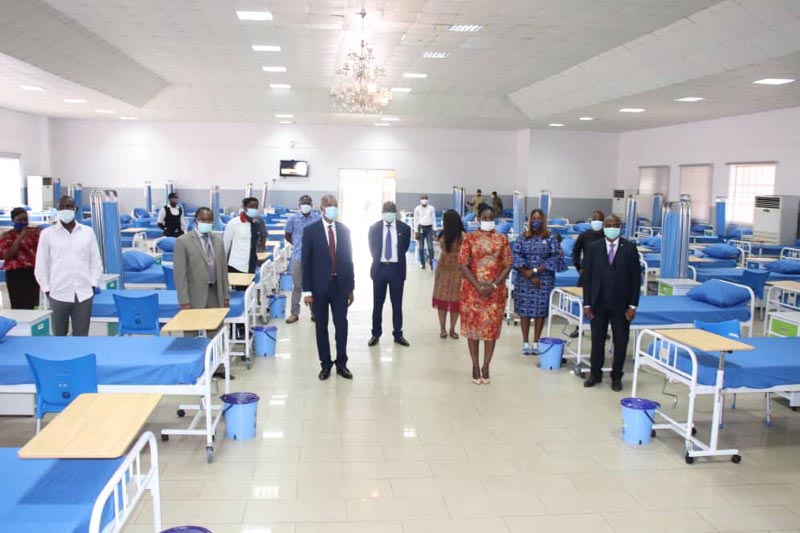
Health experts and stakeholders have raised fresh concerns over the state of healthcare delivery in Ogun State, calling for urgent improvements in funding, staffing, and infrastructure. They warned that without decisive action, the sector may struggle to meet the growing health needs of residents.
The concerns come amid ongoing discussions about strengthening healthcare systems across Nigeria. In Ogun State, professionals argue that addressing funding gaps and workforce shortages is essential to improving service delivery and achieving better health outcomes.
Ogun Health Sector Funding and Staffing Challenges Highlight System Gaps
The Ogun health sector funding and staffing challenges have become a central issue in recent stakeholder discussions. Experts noted that inadequate funding continues to limit the ability of health facilities to operate efficiently.
Although budget allocations have improved in recent years, actual implementation and timely release of funds remain inconsistent. As a result, many health facilities face shortages of essential equipment, drugs, and operational resources.
In addition, experts stressed that funding must go beyond allocation. Effective utilisation and accountability are necessary to ensure that resources translate into improved healthcare services.
Workforce Shortages Affect Service Delivery
One of the most pressing concerns is the shortage of qualified healthcare workers. Hospitals and primary health centres across the state often operate with limited staff, which affects patient care and service quality.
Health professionals reported that understaffing leads to longer waiting times, increased workload for existing staff, and reduced efficiency. In some cases, facilities struggle to provide basic services due to insufficient personnel.
The Ogun health sector funding and staffing challenges therefore extend beyond financial constraints. Human resources play a critical role in delivering effective healthcare.
Need for Better Working Conditions
Experts also highlighted the importance of improving working conditions for healthcare workers. Poor remuneration, limited career progression, and inadequate facilities contribute to low morale and staff attrition.
Many professionals seek opportunities outside the state or country in search of better conditions. This trend further worsens the staffing crisis and places additional pressure on the remaining workforce.
Improving incentives and creating a supportive work environment are key steps toward retaining skilled professionals.
Infrastructure and Equipment Deficiencies
In addition to staffing issues, infrastructure gaps remain a major challenge. Many health facilities require upgrades, maintenance, and modern equipment to meet current healthcare demands.
Outdated systems and limited access to technology hinder efficiency and patient care. Experts emphasised the need for investment in infrastructure to support modern healthcare delivery.
The Ogun health sector funding and staffing challenges highlight the interconnected nature of these issues. Without adequate funding, infrastructure improvements become difficult to achieve.
Digital Transformation as a Key Solution
Health professionals have also called for increased adoption of digital systems to improve efficiency. The integration of electronic medical records and health information systems can enhance patient care and streamline operations.
Digital tools allow for better data management, improved diagnosis, and more effective decision-making. They also reduce administrative burdens and improve coordination among healthcare providers.
The Ogun health sector funding and staffing challenges can therefore be addressed partly through technological innovation.
Strengthening Primary Healthcare Systems
Primary healthcare remains the foundation of any effective health system. Experts stressed the need to strengthen primary health centres to ensure accessible and affordable care for residents.
Many communities rely on these facilities as their first point of contact with the healthcare system. However, limited resources and staffing shortages often affect their performance.
Investing in primary healthcare can reduce pressure on secondary and tertiary institutions while improving overall health outcomes.
Budget Allocation Versus Implementation
While Ogun State has made efforts to increase health sector funding, experts noted that budget allocation alone is not enough. Effective implementation and monitoring are equally important.
In some cases, funds are not released on time, which delays projects and affects service delivery.
The Ogun health sector funding and staffing challenges therefore require a comprehensive approach that includes planning, execution, and accountability.
Addressing Public Health Challenges
Ogun State continues to face various public health challenges, including disease outbreaks and rising healthcare demands. Strengthening the health system is essential to managing these challenges effectively.
Recent experiences have shown that preparedness and rapid response are critical in preventing the spread of diseases. This requires adequate funding, trained personnel, and strong infrastructure.
The Ogun health sector funding and staffing challenges must be addressed to enhance the state’s capacity to respond to health emergencies.
Role of Government and Stakeholders
Experts emphasised that improving the health sector requires collaboration between government, private sector, and development partners. Each stakeholder has a role to play in addressing existing gaps.
Government policies should prioritise healthcare funding and workforce development. At the same time, partnerships can provide additional resources and expertise.
The Ogun health sector funding and staffing challenges highlight the need for coordinated efforts to achieve sustainable improvements.
Community Impact and Public Expectations
The challenges facing the health sector have a direct impact on residents. Limited access to quality healthcare affects overall well-being and economic productivity.
Communities expect reliable healthcare services that are accessible, affordable, and efficient. Addressing funding and staffing issues is therefore essential to meeting these expectations.
The Ogun health sector funding and staffing challenges are not just policy issues; they affect the daily lives of citizens.
A Path Forward for the Health Sector
Experts have proposed several measures to address the challenges. These include increasing funding, improving workforce development, upgrading infrastructure, and adopting digital technologies.
In addition, strengthening governance and accountability mechanisms will ensure that resources are used effectively.
The Ogun health sector funding and staffing challenges can be overcome through strategic planning and sustained commitment.
Conclusion
The call by health experts for improved funding and staffing highlights the urgent need to strengthen Ogun State’s healthcare system. While progress has been made in some areas, significant challenges remain.
The Ogun health sector funding and staffing challenges underscore the importance of a comprehensive approach that addresses financial, human, and infrastructural needs.
By investing in healthcare and implementing effective policies, Ogun State can improve service delivery and ensure better health outcomes for its residents.