
South Africa Coal Phase-Out Delay Could Cause 32,000 Deaths, Report Warns
- News South Africa
OurDailyAfrica Reporter
- 0
- 10 minutes read
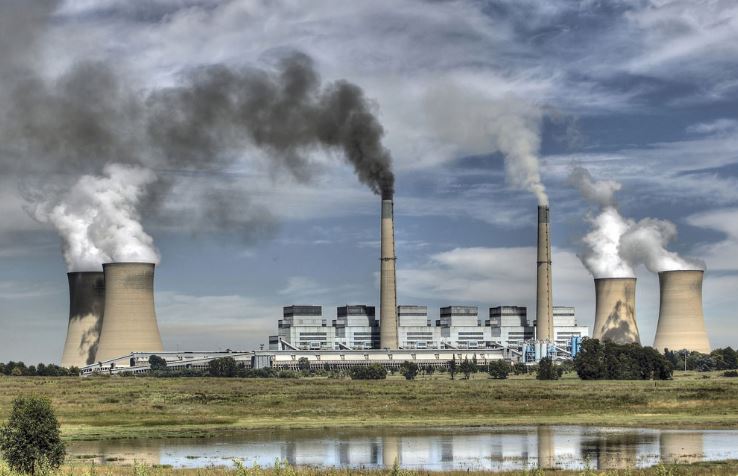
A new report has issued a stark warning about the consequences of delaying the transition away from coal in South Africa. According to researchers, postponing the phase-out of coal-fired power plants could result in as many as 32,000 premature deaths in the coming decades. The findings place renewed pressure on policymakers to accelerate the shift toward cleaner energy sources.
The report highlights a growing dilemma for South Africa. On one hand, the country relies heavily on coal to sustain its electricity supply. On the other hand, continued dependence on coal carries severe health, environmental, and economic risks. As a result, the debate over energy policy has become increasingly urgent.
South Africa Coal Phase-Out Delay Raises Health Risks
The South Africa coal phase-out delay has become a major concern among health and environmental experts. Researchers estimate that continued coal use will expose millions of people to harmful air pollutants. These pollutants include fine particulate matter and toxic gases, which are known to cause respiratory and cardiovascular diseases.
Over time, prolonged exposure to polluted air increases the risk of premature death. In addition, vulnerable groups such as children, the elderly, and people with pre-existing health conditions face the greatest danger. Therefore, delaying the transition away from coal could significantly worsen public health outcomes.
Heavy Dependence on Coal Creates Complex Challenges
South Africa remains one of the most coal-dependent economies in the world. Coal currently supplies the majority of the country’s electricity. This reliance has helped support industrial growth and economic activity for decades.
However, the same energy source now presents serious challenges. Aging power plants require frequent maintenance, while emissions from these facilities contribute to poor air quality. At the same time, energy demand continues to rise, making it difficult to reduce coal usage quickly.
The South Africa coal phase-out delay reflects this complex reality. While the government seeks to ensure energy security, it must also address the long-term consequences of continued coal use.
Pollution Impact Extends Across Regions
Air pollution from coal plants does not remain confined to specific locations. Instead, it spreads across regions, affecting populations far from the original source. This means that even communities without nearby power stations can experience health impacts.
Major urban centres face significant exposure due to population density. As a result, pollution-related illnesses may increase in areas already dealing with healthcare challenges. This widespread impact makes the issue a national concern rather than a localised problem.
The South Africa coal phase-out delay therefore has far-reaching implications for public health across the entire country.
Children and Vulnerable Groups Face Greater Risks
Children are particularly vulnerable to the effects of air pollution. Exposure during early development can lead to long-term health problems, including asthma and reduced lung function. Pregnant women also face increased risks, including complications that may affect newborns.
The report warns that thousands of children could suffer from preventable health conditions if coal use continues at current levels. In addition, communities living near power plants may experience higher rates of chronic illness.
These findings highlight the human cost of delaying action. The South Africa coal phase-out delay is not just an environmental issue; it is a public health crisis affecting future generations.
Economic Consequences Add to the Pressure
Beyond health impacts, the delay in transitioning away from coal carries significant economic costs. Increased healthcare spending, reduced productivity, and lost income all contribute to the financial burden.
When workers fall ill, businesses experience disruptions. Healthcare systems also face additional strain, which can limit their ability to address other medical needs. Over time, these factors can slow economic growth and reduce national productivity.
The South Africa coal phase-out delay therefore affects both human well-being and economic stability. Experts argue that investing in cleaner energy could reduce these long-term costs.
Balancing Energy Security and Sustainability
South Africa’s energy challenges make the transition away from coal particularly complex. The country has experienced power shortages, which have affected businesses and households. As a result, maintaining a stable energy supply remains a top priority.
However, relying on coal to solve short-term energy problems may create long-term risks. Renewable energy sources such as solar and wind offer cleaner alternatives, but they require investment and infrastructure development.
The South Africa coal phase-out delay reflects the need to balance immediate energy needs with future sustainability. Policymakers must carefully manage this transition to avoid unintended consequences.
Calls for Accelerated Transition to Clean Energy
Environmental groups and health experts are calling for faster action. They argue that South Africa has significant potential to expand renewable energy capacity. With the right policies and investments, the country could reduce its dependence on coal while maintaining energy stability.
A faster transition would not only improve air quality but also create new economic opportunities. Renewable energy projects can generate jobs, attract investment, and support sustainable development.
The South Africa coal phase-out delay has therefore become a focal point for discussions about the country’s energy future.
Community Experiences Highlight Urgency
Communities living near coal-fired power plants often experience the direct effects of pollution. Many residents report persistent health issues, including breathing difficulties and chronic illnesses.
These experiences provide a human perspective on the issue. Behind the statistics are real people dealing with daily health challenges. Their stories emphasise the need for urgent action.
The South Africa coal phase-out delay is not an abstract policy issue. It affects the quality of life for thousands of families.
A Critical Moment for Policy Decisions
South Africa now faces a critical decision point. The choices made today will shape the country’s energy landscape for decades. Policymakers must consider both immediate needs and long-term consequences.
Accelerating the transition to cleaner energy could reduce health risks and support sustainable growth. However, this transition must be carefully planned to ensure energy security and economic stability.
The South Africa coal phase-out delay highlights the importance of decisive and informed policymaking.
Conclusion
The warning that delaying coal phase-out could lead to 32,000 deaths presents a serious challenge for South Africa. While coal continues to play a central role in the country’s energy system, its long-term impact on health and the economy cannot be ignored.
The South Africa coal phase-out delay underscores the urgent need for a balanced approach that prioritises both energy security and public health. By investing in cleaner energy and strengthening policy frameworks, South Africa can reduce risks and build a more sustainable future.
Ultimately, the path forward will depend on strong leadership, strategic planning, and a commitment to protecting both people and the environment.