
World Bank Pledges $6 Billion to Mozambique to Boost Development
- Mozambique News
OurDailyAfrica Reporter
- 0
- 12 minutes read
The World Bank pledges $6 billion to Mozambique over the next five years to support economic growth and long-term development. This major financing package aims to strengthen infrastructure, expand economic opportunities, and improve financial stability across the country.
Mozambique continues to face economic pressure due to debt challenges and climate-related disasters. However, the new funding commitment offers hope for sustainable development and stronger economic performance. Government officials and development partners believe this initiative will improve living standards and support national progress.
The financing package reflects a strong partnership between Mozambique and international development institutions. It also shows confidence in the country’s economic potential despite ongoing challenges.
How the World Bank Pledges $6 Billion to Mozambique Will Drive Growth
The plan under which the World Bank pledges $6 billion to Mozambique focuses on strategic sectors that can support economic transformation. Officials designed the funding to improve productivity and reduce poverty.
Part of the financing will support ongoing development projects. Meanwhile, the remaining funds will support new initiatives that address current economic needs.
Key priority areas include:
- Energy development and electricity access
- Agricultural improvement
- Infrastructure expansion
- Tourism development
- Job creation programs
These sectors provide strong opportunities for economic growth. Therefore, investments in these areas should stimulate business activity and create employment.
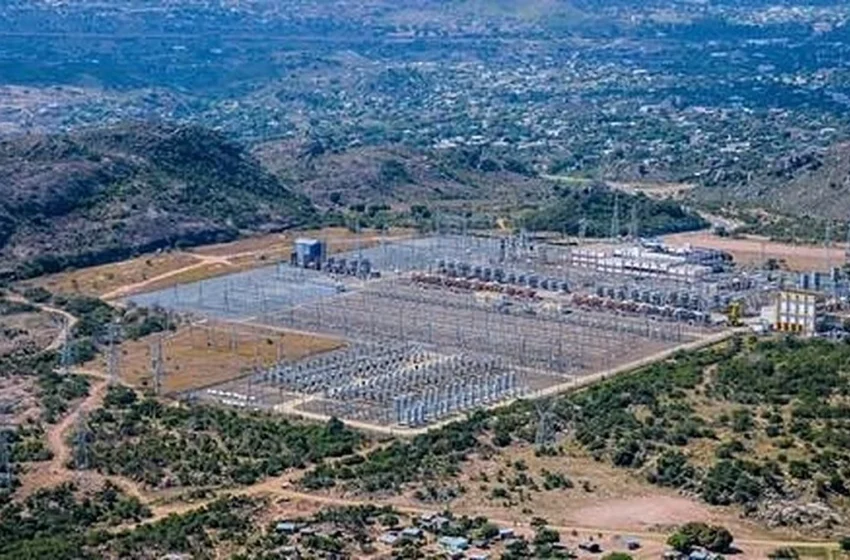
Energy development remains especially important. Reliable electricity will support industries and improve everyday life. As a result, businesses will operate more efficiently and expand production.
Agriculture also plays a critical role in Mozambique’s economy. Many citizens depend on farming for their income. Therefore, agricultural investments will improve productivity and strengthen food security.
Tourism development offers another opportunity for growth. Mozambique has significant natural resources and coastal attractions. With proper investment, tourism could generate employment and increase national income.
Economic Challenges Facing Mozambique
Mozambique continues to experience economic difficulties despite recent improvements. Public finances remain under pressure, and debt obligations limit government spending.
Interest payments consume a large portion of the national budget. Consequently, fewer resources remain available for development programs.
Limited external financing also creates difficulties. Domestic financial institutions cannot meet all government funding needs. Therefore, international support remains essential.
Climate risks present additional challenges. Floods and cyclones frequently damage roads, homes, and public facilities. These disasters disrupt economic activity and increase reconstruction costs.
Moreover, climate events often affect agriculture. Reduced harvests lower household incomes and increase food insecurity. As a result, rural communities remain vulnerable.
Nevertheless, government leaders remain committed to economic reforms. They believe improved policies will strengthen long-term stability.
Financing Structure and Development Strategy
The program through which the World Bank pledges $6 billion to Mozambique combines concessional loans and financial grants. This approach allows Mozambique to access affordable funding while limiting borrowing costs.
Part of the financing will support existing development programs. Meanwhile, new projects will address emerging economic priorities.
The structured financing plan helps Mozambique manage public finances responsibly. Lower interest rates reduce financial pressure on government budgets.
Development partners expect the funding to attract additional investments. International investors often respond positively to strong development partnerships.
Therefore, the program could unlock further economic opportunities beyond the initial funding package.
Officials believe the strategy will strengthen national institutions and improve economic management.
Job Creation and Private Sector Development
One important objective behind the World Bank pledges $6 billion to Mozambique initiative is job creation. Mozambique has a young and rapidly growing population. Therefore, employment opportunities remain essential for economic stability.
Development projects will create both direct and indirect jobs. Infrastructure projects will require construction workers and technical staff. Agricultural investments will support farmers and agribusinesses.
Energy projects will also generate employment opportunities. Improved electricity supply will encourage industrial development. Consequently, businesses will expand and hire more workers.
Private sector growth remains a key goal of the development strategy. Strong businesses create sustainable employment and increase national income.
Therefore, authorities plan to improve the business environment. Better regulations and infrastructure will encourage investment and entrepreneurship.
In addition, small businesses will benefit from improved economic conditions. Many local enterprises depend on reliable infrastructure and stable markets.
Strengthening Economic Stability
The decision that the World Bank pledges $6 billion to Mozambique supports financial stability and economic discipline. Government officials expect the funding to strengthen fiscal management.
Stable public finances remain essential for long-term growth. Without financial stability, development programs cannot succeed.
Authorities plan to improve tax collection and reduce inefficient spending. These measures will increase government revenue and improve budget management.
Stronger institutions will also improve transparency and accountability. Effective governance increases confidence among investors and development partners.
Therefore, economic reforms remain an important part of the development partnership.
Better financial management will support sustainable growth in the coming years.
Long-Term Development Prospects
The commitment that the World Bank pledges $6 billion to Mozambique forms part of a long-term development vision. Officials aim to build a stronger and more resilient economy.
The strategy focuses on inclusive growth. Authorities want economic progress to benefit both urban and rural communities.
Improved infrastructure will connect remote areas to major markets. Better roads and transport networks will reduce business costs.
Electricity expansion will improve living conditions for millions of people. Reliable energy will support schools, hospitals, and businesses.
Agricultural development will increase incomes in rural communities. Farmers will gain better access to markets and modern farming techniques.
Tourism investments will create new economic opportunities. Mozambique’s coastline and natural beauty offer strong potential for growth.
These combined investments should improve national productivity and reduce poverty over time.
Optimism for Mozambique’s Economic Future
Despite current challenges, Mozambique’s economic outlook shows signs of improvement. Development partnerships continue to support national goals.
The commitment that the World Bank pledges $6 billion to Mozambique represents one of the largest recent development investments in the country.
Government officials believe the funding will accelerate economic recovery. They expect improved stability and stronger growth in the coming years.
Large infrastructure and energy projects will stimulate economic activity. These projects will create jobs and improve productivity.
If reforms continue, Mozambique could achieve steady economic growth. Development partners remain confident in the country’s long-term potential.
Effective implementation will determine the success of the program. Strong leadership and accountability will remain essential.
Conclusion
The decision that the World Bank pledges $6 billion to Mozambique marks a major step toward economic development and financial stability. The funding will support infrastructure, agriculture, energy, and job creation.
Although Mozambique faces serious challenges, international partnerships provide important support.
With careful planning and responsible management, this financing package could transform the national economy.
Ultimately, the initiative offers a strong opportunity to improve living standards and build a more prosperous future.