
US Troops Assist Nigeria With Training and Intelligence Sharing to Strengthen Security Cooperation
- News Nigeria
OurDailyAfrica Reporter
- 0
- 11 minutes read
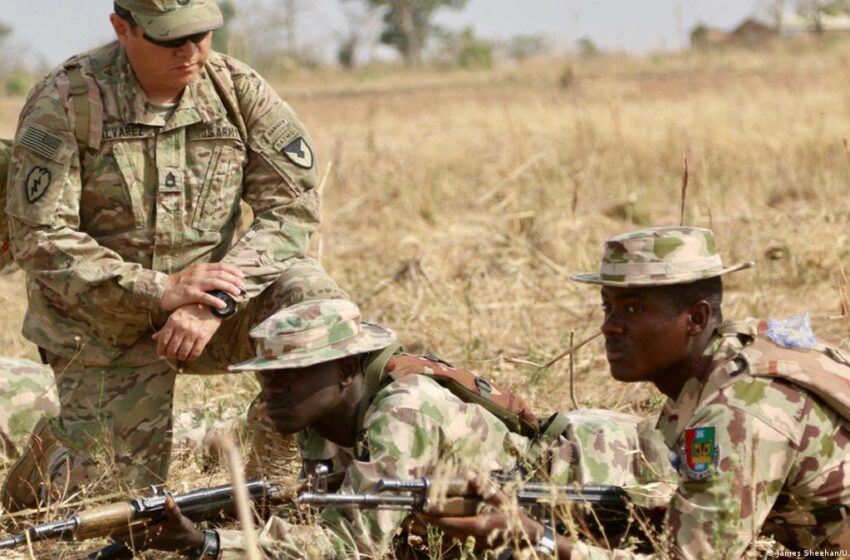
The United States has deployed dozens of military personnel to Nigeria as part of a coordinated security partnership. The mission focuses on training Nigerian forces and enhancing intelligence collaboration. This development marks a renewed phase in US-Nigeria defence relations, especially as Nigeria confronts evolving security threats.
Officials confirmed that the deployment remains limited in scope. However, it reflects deepening military cooperation between both nations. The initiative aims to improve operational capacity, strengthen intelligence systems, and reinforce regional stability.
Why US Troops Assist Nigeria With Training and Intelligence Sharing
Nigeria continues to face complex security challenges across several regions. Armed insurgency, banditry, kidnapping, and organised crime have strained military resources. Therefore, international cooperation remains essential.
The deployment allows US troops to assist Nigeria with training and intelligence sharing in targeted areas. These include counterterrorism operations, surveillance coordination, and strategic planning. Importantly, the mission does not involve direct combat roles.
Instead, American personnel focus on capacity building. They provide technical guidance, tactical instruction, and operational expertise. As a result, Nigerian forces can enhance their response effectiveness.
Moreover, intelligence sharing strengthens situational awareness. Improved data analysis and information exchange allow security agencies to anticipate threats more accurately. Consequently, operations can become more precise and proactive.
Scope of the Deployment
Officials described the troop presence as limited but strategic. The personnel will work alongside Nigerian military units in structured training environments. Their engagement includes workshops, simulation exercises, and advisory roles.
Although the number of deployed troops remains modest, their impact could be significant. Focused collaboration often delivers stronger results than large-scale deployments. Therefore, this approach emphasises efficiency over scale.
Additionally, both governments clarified that the deployment respects Nigeria’s sovereignty. The mission operates within agreed legal frameworks. Nigerian authorities retain operational command of all domestic security activities.
Strengthening Bilateral Military Relations
The United States and Nigeria have maintained defence cooperation for years. However, this deployment signals renewed emphasis on strategic collaboration.
Nigeria plays a critical role in West African security. As Africa’s most populous country, it influences regional stability. Therefore, US engagement reflects broader geopolitical priorities.
By allowing US troops to assist Nigeria with training and intelligence sharing, both countries reinforce mutual interests. The partnership supports counterterrorism efforts, maritime security, and regional peacekeeping.
Furthermore, this cooperation may enhance trust between security institutions. Shared exercises build familiarity and streamline coordination during joint operations.
Addressing Nigeria’s Security Challenges
Nigeria faces persistent threats from extremist groups and armed criminal networks. Insurgency in the northeast continues to demand attention. Meanwhile, armed banditry affects several northern states. Kidnapping for ransom has also disrupted communities.
Because these threats adapt quickly, security forces require continuous training. Tactical innovation and intelligence integration remain critical. Therefore, foreign expertise can support local strategies.
The training component emphasises modern surveillance techniques, threat assessment, and rapid response planning. Intelligence sharing, meanwhile, improves real-time communication. Together, these measures aim to enhance operational success.
Importantly, Nigerian authorities maintain leadership throughout the collaboration. The foreign support functions as reinforcement rather than replacement.
Regional Implications for West Africa
West Africa has experienced rising instability in recent years. Military coups, extremist expansion, and cross-border crime have reshaped regional dynamics. Consequently, Nigeria’s security posture carries broader implications.
When US troops assist Nigeria with training and intelligence sharing, the benefits may extend beyond national borders. Improved Nigerian capacity can strengthen regional counterterrorism networks. Additionally, enhanced intelligence systems can support neighbouring states.
Nigeria frequently contributes troops to regional peacekeeping missions. Therefore, stronger domestic capabilities can translate into stronger regional leadership.
Moreover, international partnerships may deter transnational criminal networks. Coordinated intelligence disrupts cross-border operations more effectively.
Strategic Objectives Behind the Deployment
The United States maintains security interests across Africa. Counterterrorism cooperation remains a central priority. However, policymakers also seek to support democratic stability and institutional professionalism.
Through this deployment, the US emphasises advisory support rather than combat intervention. This model reflects lessons from previous engagements in other regions.
By focusing on training and intelligence systems, the partnership promotes long-term sustainability. Capacity building enables local forces to manage security independently.
At the same time, Nigeria benefits from technological expertise and strategic insight. Thus, both nations pursue mutual gains.
Public Perception and Political Context
Military cooperation often attracts public scrutiny. Some observers express concerns about foreign troop presence. Others view international support as necessary.
Nigerian authorities have stressed transparency regarding the mission’s scope. They emphasised that the deployment involves training and intelligence sharing only.
Furthermore, officials highlighted the importance of safeguarding sovereignty. Clear communication aims to reassure citizens that Nigeria retains full control over its security agenda.
Meanwhile, security analysts note that modern threats require international collaboration. Terror networks often operate across borders. Therefore, intelligence exchange remains essential.
Potential Long-Term Outcomes
If implemented effectively, the partnership could produce measurable results. Enhanced training may improve operational discipline. Intelligence upgrades may increase interception accuracy.
Over time, Nigerian forces could reduce response delays and improve coordination. Consequently, security outcomes may strengthen in affected regions.
Additionally, successful cooperation may expand into other sectors. Maritime security, cyber defence, and counter-trafficking efforts could benefit from similar frameworks.
However, sustainable results depend on consistent evaluation. Both nations must monitor progress and adjust strategies accordingly.
Balancing Cooperation and Sovereignty
Nigeria’s leadership has carefully balanced openness to support with national autonomy. The agreement reflects deliberate negotiation.
By ensuring that US troops assist Nigeria with training and intelligence sharing without engaging in combat, policymakers limit potential controversy. This structure reinforces Nigeria’s primary role in domestic security.
Furthermore, the collaboration operates within legal agreements. Transparency strengthens legitimacy and public trust.
Broader Security Landscape
Security cooperation in Africa continues to evolve. Several global powers maintain varying levels of engagement across the continent. Therefore, Nigeria’s partnership with the United States fits within a broader geopolitical context.
However, Nigeria’s strategic importance makes this collaboration particularly significant. The country’s size, economy, and military capacity position it as a regional anchor.
As threats grow more complex, intelligence integration becomes indispensable. Data-driven strategies often outperform reactive approaches. Thus, structured intelligence sharing remains central to modern defence policy.
Conclusion
The decision to deploy American personnel reflects a targeted and strategic partnership. By allowing US troops to assist Nigeria with training and intelligence sharing, both nations reinforce their commitment to security cooperation.
The mission prioritises capacity building, intelligence enhancement, and operational readiness. Moreover, it respects Nigeria’s sovereignty and legal frameworks.
While challenges persist, structured collaboration offers practical benefits. Through focused training and information exchange, Nigeria can strengthen its response capabilities.
Ultimately, this deployment signals renewed defence engagement between two key partners. As regional security dynamics continue to shift, such cooperation may prove increasingly vital.