
US‑Nigeria Diverge in Details Over Strikes on Militants as Security Cooperation Deepens
- News Nigeria
OurDailyAfrica Reporter
- 0
- 8 minutes read
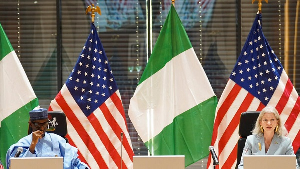
The relationship between Washington and Abuja has grown more complex following a series of US-led military strikes in Nigeria. While both governments agree that the operations were aimed at militants, they have given different accounts of the operation’s details. This divergence has sparked debate over sovereignty, transparency, and the broader strategy to combat violent extremism in West Africa.
The focus remains on how the United States and Nigeria collaborate to confront Islamic State-linked militants while managing public scrutiny and diplomatic sensitivities.
Conflicting Narratives on the Strikes
Immediately after the operations targeting militants in northwest Nigeria, the United States and Nigeria provided different accounts of the same events. Both governments agreed that the targets were linked to the Islamic State group, but they described the operations differently regarding the groups hit and the nature of the strikes.
The timing of the strikes, reportedly delayed until Christmas, raised questions about communication between the two allies. Some critics argued that the scheduling emphasized symbolism over strategic coordination.
Additionally, Nigerian authorities expressed concern that information about the operation was not released jointly, fueling criticism from political groups and observers at home. The United States issued its statement ahead of Nigerian clarification, which heightened public confusion.
Targeting Militants: Islamic State and Local Armed Groups
Despite initial differences in narrative, both governments eventually outlined the targeted groups. Nigeria’s officials confirmed the operations focused on Islamic State elements attempting to enter Nigeria from the Sahel region, particularly through northwest border areas.
Nigeria also clarified that the strikes aimed at militants associated with local armed groups responsible for kidnapping, extortion, and violent crimes across northwest Nigeria. However, independent verification remains limited, making it challenging to confirm the identities and affiliations of those affected.
Sovereignty and Diplomatic Tensions
The operations sparked discussion about the limits of foreign involvement in Nigeria. Some political leaders criticized the United States for releasing operational details before Nigerian authorities had a chance to comment, suggesting unilateral action rather than coordinated strategy.
Opposition voices argued that this approach undermined Nigeria’s national authority. In response, Nigeria’s government emphasized that the strikes were joint operations, with Abuja providing essential intelligence. The clarification was intended to demonstrate cooperation rather than unilateral decision-making.
Impact on Local Communities
The strikes affected local populations in surrounding regions. Reports emerged of damaged buildings and explosions in towns near targeted areas, creating fear among residents. Some communities, despite not being direct targets, experienced disruptions due to debris and shockwaves from the strikes.
These incidents highlighted the social and psychological consequences of military operations in areas already grappling with insecurity. Residents expressed concern about the potential for long-term disruption to their livelihoods.
Understanding Nigeria’s Security Landscape
To understand the rationale behind the operations, it is important to consider Nigeria’s security environment. The country faces multiple threats, including Boko Haram and Islamic State West Africa Province (ISWAP) in the northeast and widespread banditry and kidnapping in the northwest and central regions.
Some militants in northwest Nigeria are loosely connected to Islamic State Sahel Province, though the extent of these links is debated. The United States has expressed concern about the spread of these networks across West Africa, where local security forces have struggled to contain them.
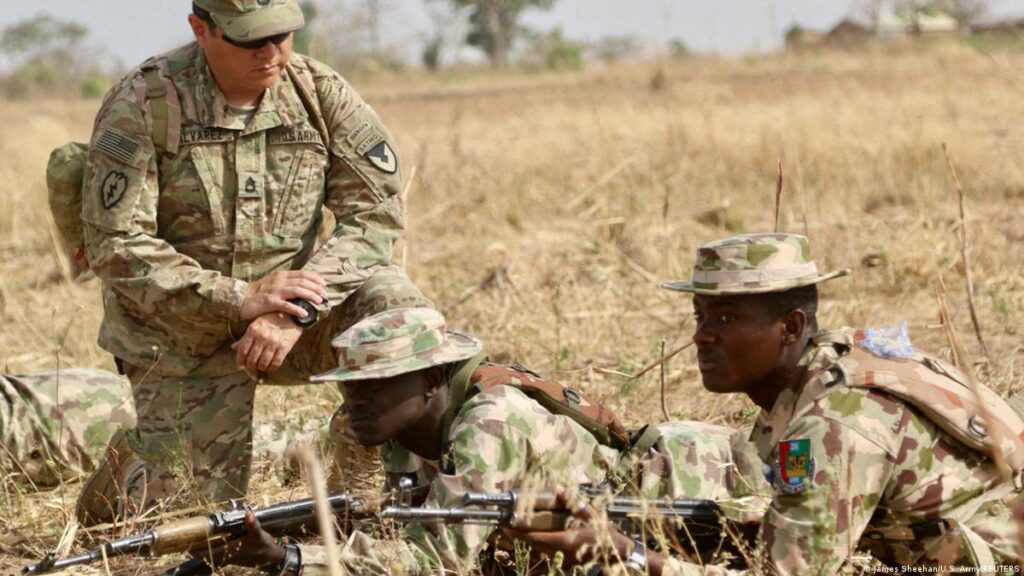
US-Nigeria military cooperation has expanded in response, focusing on intelligence sharing, precision strikes, and joint operations rather than isolated actions.
Balancing Security and Accountability
The divergence in narratives highlights the need to balance security cooperation with transparency. Both countries aim to combat violent extremism, but clear communication is critical to maintain public trust and avoid misunderstandings.
Some analysts argue that military action must be complemented by political and socio-economic reforms addressing the root causes of militancy. Poverty, marginalization, and weak governance enable armed groups to exploit vulnerable populations.
Governments insist that collaborative operations, including strikes and intelligence coordination, are essential to disrupt militant activities while protecting civilian safety and regional stability.
Future Cooperation Between the US and Nigeria
As both countries continue their partnership, additional operations may occur. The United States has indicated potential future strikes, while Nigeria stresses its continued involvement and approval of all actions on its territory.
This evolving cooperation demonstrates the challenge of aligning strategic goals while maintaining transparency, respecting sovereignty, and minimizing unintended consequences.
Ultimately, both governments share the goal of weakening violent extremist groups that operate across borders, threaten civilians, and jeopardize domestic and regional security.