
US Hosts Congo-Rwanda Leaders to Finalize Peace Deal — What’s at Stake
- Dr congo News Rwanda
OurDailyAfrica Reporter
- 0
- 7 minutes read
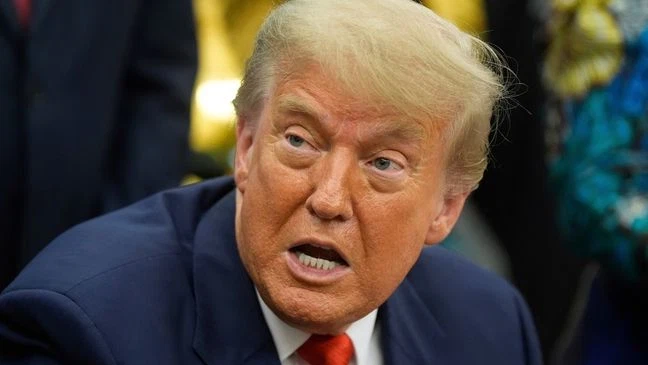
The United States is hosting the leaders of the DRC and Rwanda for a high-profile summit to finalize a peace and cooperation agreement. The accord aims to end the long-running conflict in eastern Congo — especially fighting involving the rebel group M23 — and unlock the region’s abundant critical mineral resources under new economic frameworks. This event represents a potentially historic moment for regional stability, security, and economic development.
What the Peace Deal Proposes
- The agreement commits both countries to end hostilities, respect territorial integrity, and disarm non-state armed groups.
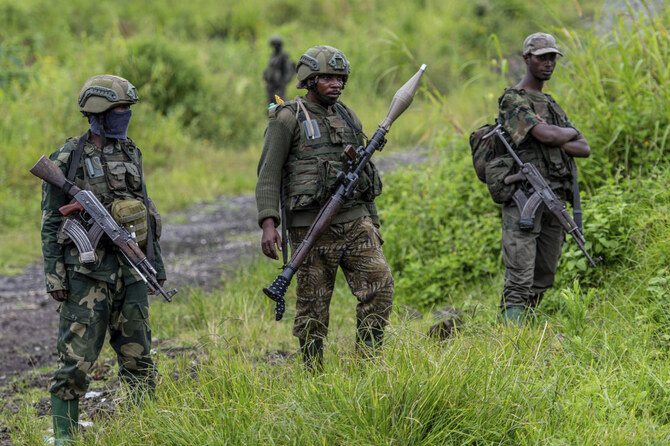
- It includes provisions for the disarmament, demobilization, and potential integration or neutralization of militias and rebel forces like M23, aiming to restore security and pave the way for displaced persons to return home.
- It establishes a regional economic cooperation framework that opens the door for investment and development of the DRC’s mineral-rich eastern region, especially for critical minerals such as cobalt, copper, lithium and other resources vital to global supply chains.
- The deal also envisions humanitarian commitments: re-establishing mechanisms to support refugees and internally displaced people, ensuring their safe return or resettlement, and improving access to basic needs and protection.
Why This Deal Is Considered Important
The eastern DRC has suffered decades of conflict, involving dozens of armed groups, recurrent displacements, and widespread humanitarian suffering. The recent advances by M23 — including the capture of major cities — intensified the crisis and drew renewed international attention. The new agreement promises to halt violence and begin a path toward reconstruction. By combining security guarantees with economic incentives, the accord aims not only to stop the fighting, but also to rebuild infrastructure, restore governance, and create hope for stability and growth in one of Africa’s most troubled regions.
Major Challenges and Criticisms
Despite the optimism, many experts warn the peace deal remains fragile:
- Past accords in the region collapsed because of weak enforcement and lack of trust. There is skepticism over whether all armed groups — especially M23 — will comply fully.
- The agreement’s economic component raises concern that resource extraction might proceed at the expense of justice, transparency, and protection of local communities. Some critics argue that economic incentives may overshadow accountability for past human-rights abuses and neglect reparations for victims.
- Human rights advocates worry that without strong safeguards and oversight, displaced populations, survivors of conflict, and local communities may be further marginalized.
- Implementation remains uncertain: billions in promised investment and security commitments need solid guarantees. History shows that peace by decree rarely endures without structural reform, inclusive governance, and committed follow-through.
What Happens Next
- The leaders of the DRC and Rwanda will sign the final peace agreement under U.S. mediation — a symbolic moment loaded with expectations.
- Both countries must follow through with disarmament, troop withdrawals, and demobilization of militias. Security must be restored in rebel-affected regions, and displaced persons must be allowed to return safely.
- Western and international investors may begin to flow in, aiming to develop mines and infrastructure — contingent on stability and adherence to environmental, labour, and human-rights standards.
- Regional and global stakeholders — including international organisations and civil-society groups — will likely monitor implementation closely to ensure accountability, transparency, and protection of civilians.
Why the World Is Watching
This agreement sits at the intersection of geopolitics, security, humanitarian concerns, and global economics. For Africa, it could mark a turning point: transforming a war-torn region into a zone of peace, investment, and development. For global powers, it presents a chance to secure critical resources while shaping stability in a fragile region. But it also highlights a critical question: Can a deal that links peace with access to minerals deliver both justice and prosperity — or will it simply trade one crisis for another?
Conclusion
The upcoming summit and peace-deal signing between the DRC and Rwanda, facilitated by the United States, offers a rare opportunity for lasting change in eastern Congo. The combination of security commitments, economic incentives, and humanitarian promises presents a bold blueprint for peace and recovery.
Yet the path ahead is full of risk. Without genuine commitment, inclusive governance, protection of human rights, and accountability, the deal may fail to deliver. The world — and especially ordinary Congolese and Rwandans — will be watching carefully.
This moment could mark the beginning of a new era of stability and hope — or become another unmet promise in a long history of conflict and broken peace accords.