
UNHCR nearly 100,000 displaced in Mozambique as Violence Spreads Across Northern Region
- Mozambique News
OurDailyAfrica Reporter
- 0
- 11 minutes read
The humanitarian situation in northern Mozambique has dramatically worsened. According to the latest report from the UN Refugee Agency (UNHCR), nearly 100,000 people fled their homes in recent weeks. Rising violence, widespread attacks by armed groups, and the spread of conflict beyond historically affected zones triggered this massive displacement. The region now faces one of the largest displacement waves in years — a crisis with far-reaching human and humanitarian consequences.
A Sudden Surge: UNHCR nearly 100,000 displaced in Mozambique
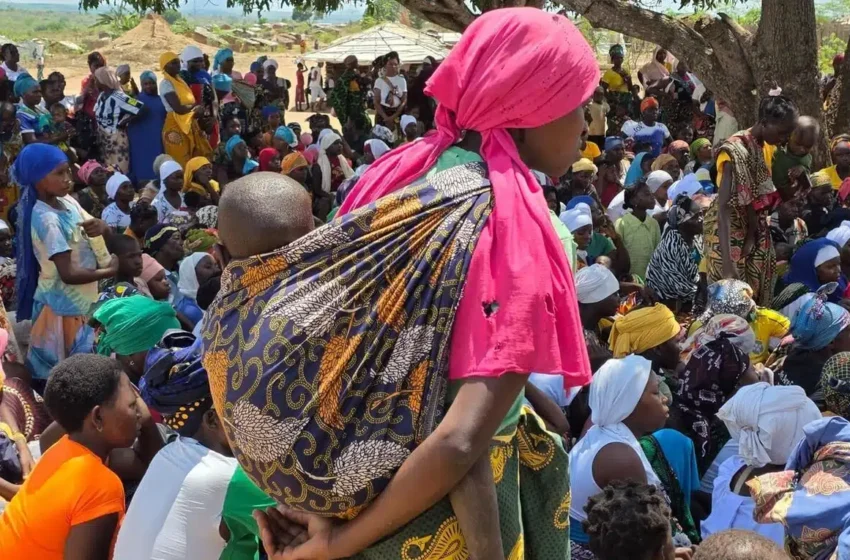
UNHCR says that around 100,000 people fled across northern Mozambique in merely the past fortnight. This wave comes after villages were attacked, homes burned, and civilians targeted by armed fighters. Many of those displaced are arriving in refugee-hosting areas completely exhausted and traumatized. Schools, churches, and open public spaces in provinces like Nampula have become makeshift camps, packed with newly displaced families. This marks the fourth major influx of displaced people in recent months — a surge that threatens to overwhelm typically fragile host communities.
The conflict, which began in 2017 in Cabo Delgado province, had already displaced more than 1.3 million people across northern Mozambique. With recent attacks spreading into previously calmer zones like Nampula and Niassa, the displacement has reached new, alarming levels.
From Root Conflict to a Widening Crisis
The insurgency started in one province but has now spilled over to others. Since 2017, armed groups have repeatedly attacked villages, destroyed infrastructure, and terrorized civilians. Until recently, displacement was mostly concentrated in the original conflict zones. However, 2025 witnessed a disturbing turn: violence spread fast and unpredictably, affecting communities that had previously hosted displaced people.
In several districts, the brutality escalated — homes were razed, civilians kidnapped or killed, and entire communities forced to flee. Many of those arriving in displacement sites report harrowing experiences. Women, children, older people, and persons with disabilities emerged especially vulnerable. Because most fled with nothing, many arrived without identity documents — complicating access to shelter, aid, and formal support services.
Dire Conditions for Displaced Families
Upon arrival, many displaced families faced harsh and precarious conditions. With shelters overwhelmed, a large number slept outdoors under trees or in open spaces. As the rainy season looms, the risk of disease, exposure, and other hazards rise significantly.
Protection concerns are rising fast. Reports indicate increasing numbers of sexual and gender-based violence, especially involving women and girls. The lack of privacy and security in communal shelters fuels these threats. Meanwhile, children — some separated from parents — arrive exhausted, traumatised, or even malnourished after days of fleeing. Older people and individuals with disabilities often struggle more, lacking access to adequate support or mobility assistance.
The humanitarian response, led by UNHCR and partner agencies, is active but insufficient. Aid workers provide emergency shelter, redress basic needs, offer medical and psychosocial support, and try to assist separated or orphaned children. However, the pace and scale of displacement outstrip available resources and support capacity. As a result, many displaced families remain without stable shelter, sanitation, food, or clean water.
Pressure on Host Communities and Infrastructure Collapse
The influx of displaced people exerts enormous pressure on host communities. Schools and churches — once community gathering points — now serve as emergency shelters. Local infrastructure collapses under the weight of sudden population surges.
Host communities themselves often lack resources. Many already accommodated previous waves of displaced people, meaning that repeated arrivals deepen resource scarcity. Water, sanitation, food, and shelter become limited. Health services, already fragile, strain further. Many health centres shut down or operate with few staff, reducing access to maternal care, emergency treatment, chronic care, or mental health support.
The collapse of essential services raises risk of disease outbreaks — including malaria, cholera, and other water-borne or hygiene-dependent illnesses. As the rainy season approaches, these dangers intensify.
Growing Protection Risks and Vulnerabilities
Vulnerable groups bear the brunt of the crisis. Women and girls face heightened risk of sexual or gender-based violence, particularly when shelters lack privacy or security. In many cases, they must collect firewood or water in dangerous conditions.
Children suffer significantly: many are unaccompanied, separated from their families, traumatised, or even injured. Some were exposed to direct violence; others were forced to endure days of walking to safety. Forced recruitment by armed groups remains a threat.
Older adults and people with disabilities — already marginalized — often lack adequate protection, mobility, or access to social support. Without targeted aid, they risk falling deeper into vulnerability.
Humanitarian Response Faces Funding and Capacity Shortfall
Although UNHCR and other humanitarian agencies have mobilised relief efforts, the response remains underfunded and overstretched. Agencies warn that they lack sufficient resources to provide safe shelter, sanitation, medical aid, or long-term support.
Many displaced families remain in informal settlements without access to clean water, food, hygiene items, or school access. Emergency aid covers only a fraction of needs. The lack of funds means only limited numbers receive psychosocial support or reunification services.
Further, the sudden and repeated waves of displacement challenge long-term humanitarian planning. Without immediate, substantial support, the crisis risks deepening — leaving displaced families in prolonged limbo.
Broader Impacts: What This Crisis Means for Mozambique and the Region
The displacement crisis in northern Mozambique is not just a local humanitarian problem — it has broader, long-term implications. Continued instability risks destabilising social cohesion, overwhelming public infrastructure, and straining national capacity to respond.
Forced migration disrupts livelihoods, education, health, and shelter. Repeated displacement reduces population resilience, increasing poverty and vulnerability. The strain on public services and humanitarian agencies may lead to long-lasting trauma, social fragmentation, and weakened community structures.
Moreover, the widespread displacement could trigger a regional humanitarian burden if neighbouring countries or international actors must intervene or host refugees. The crisis challenges long-term development, security, and human rights across the region.
What Must Be Done: Urgent Steps to Address the Crisis
To avert further catastrophe, urgent and coordinated action is required:
- Mobilise substantial humanitarian funding to meet immediate needs: shelter, water, sanitation, food, medical care, and hygiene supplies.
- Strengthen protection services for vulnerable populations — especially women, children, older adults, and persons with disabilities — including safe shelter, confidential reporting, medical and psychosocial support, and legal aid.
- Provide safe, dignified shelter and accommodations, with adequate sanitation and privacy. Document displaced persons to allow access to essential services and legal aid.
- Facilitate family tracing and reunification for children and separated family members.
- Scale up support for host communities, ensuring they receive resources to cope with surges in population and demand for services.
- Bolster public health capacity to prevent disease outbreaks, especially with the rainy season approaching.
- Plan for medium- and long-term recovery, including safe return or resettlement when possible, livelihood support, education access, and infrastructure rebuilding.
Without sustained international cooperation, funding, and holistic humanitarian strategies, the crisis risks deepening — with far-reaching consequences for displaced people and their host communities.
Conclusion: A Critical Moment — UNHCR nearly 100,000 displaced in Mozambique
The revelation that nearly 100,000 people have recently been uprooted in northern Mozambique marks a critical humanitarian turning point. Families displaced multiple times, entire communities overwhelmed, and aid efforts straining under massive pressure — these paint a bleak picture.
Yet this moment also calls for global attention, solidarity, and action. The scale of displacement and human suffering demands urgent response. The fate of the displaced — and of Mozambique’s stability — depends on how quickly and effectively the world responds.
If governments, humanitarian agencies, and international partners act decisively and compassionately, they can prevent further deterioration, protect vulnerable lives, and restore dignity to those uprooted. For now, the region stands at a crossroads — between despair and the hope of urgent, united humanitarian intervention.