

UN Says RSF Killed 1,000 Civilians in Zamzam Refugee Camp in April
- Sudan
OurDailyAfrica Reporter
- 0
- 12 minutes read
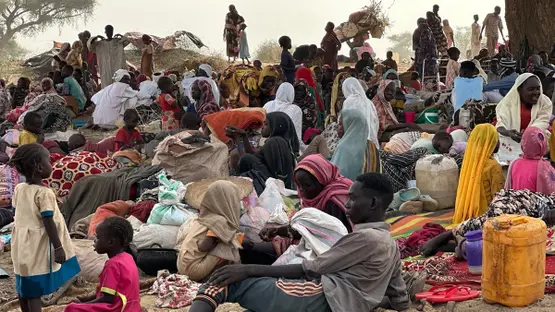
The UN says RSF killed 1,000 civilians in Zamzam refugee camp in April, exposing one of the deadliest attacks on displaced civilians since Sudan’s civil war began. According to a detailed United Nations human rights report, fighters from the Rapid Support Forces carried out a brutal assault on the camp over several days, leaving widespread death, destruction, and trauma in its wake.
Zamzam refugee camp, located near the city of El Fasher in North Darfur, had served as a place of refuge for hundreds of thousands of people fleeing earlier waves of violence. The attack shattered that fragile sense of safety and deepened Sudan’s already catastrophic humanitarian crisis.
Why the UN Says RSF Killed 1,000 Civilians in Zamzam Refugee Camp in April
The reason the UN says RSF killed 1,000 civilians in Zamzam refugee camp in April lies in the findings of survivor testimonies, satellite imagery, and field investigations. The report describes a coordinated assault that lasted three days, during which civilians were deliberately targeted.
UN investigators documented killings in homes, markets, schools, and health facilities. Many victims were shot at close range, while others were killed as they tried to flee. The report notes that the scale and pattern of violence point to systematic attacks rather than isolated incidents.
As a result, the assault is considered one of the most serious violations of international humanitarian law recorded in Sudan this year.
Zamzam Camp Before the Attack
Before April, Zamzam camp was one of the largest displacement camps in Sudan. It sheltered families who had escaped earlier conflicts in Darfur, many of whom had already been displaced multiple times.
Despite limited resources, the camp provided basic shelter, education, and medical services. Humanitarian agencies operated under difficult conditions but managed to sustain life-saving programs.
However, rising insecurity around El Fasher made the camp increasingly vulnerable. Tensions escalated as fighting between rival forces intensified in surrounding areas.
Details of the RSF Assault
According to the UN report, RSF fighters entered the camp with heavy weapons and began advancing through residential areas. Civilians were caught completely off guard.
Witnesses described fighters moving house to house, dragging people into the open, and executing them. Others were shot while hiding inside buildings. Markets and aid distribution points were attacked, cutting off access to food and water.
In addition, the report documents widespread sexual violence. Women, girls, and some men were subjected to rape and other abuses during the assault. These acts further compounded the trauma suffered by survivors.
This pattern of violence supports the conclusion that the UN says RSF killed 1,000 civilians in Zamzam refugee camp in April as part of a deliberate and coordinated campaign.
Mass Displacement After the Attack
Following the assault, hundreds of thousands of residents fled the camp. Many escaped with nothing, walking long distances under dangerous conditions.
Displaced families sought shelter in nearby towns and informal settlements. However, these locations were already overstretched and lacked adequate resources.
As a result, the attack triggered a secondary humanitarian emergency. Food shortages worsened, healthcare services collapsed, and disease risks increased sharply.
Aid workers warn that displaced survivors remain highly vulnerable, especially women, children, and the elderly.
Humanitarian Access and Aid Challenges
After the assault, humanitarian access to the area became extremely limited. Ongoing fighting and insecurity prevented aid agencies from reaching survivors.
Medical facilities were destroyed or looted, leaving injured civilians without treatment. Schools and shelters were also damaged, further disrupting daily life.
The UN report emphasizes that denying humanitarian access worsened the death toll. It calls for immediate and sustained access to affected areas.
Without such access, humanitarian agencies fear that preventable deaths will continue.
Legal Implications and War Crimes Concerns
The findings raise serious legal concerns. UN officials say the attack may constitute war crimes and crimes against humanity.
The deliberate targeting of civilians, sexual violence, and destruction of civilian infrastructure violate international law. The report urges accountability for those responsible.
Senior UN officials have called on the international community to ensure justice for victims. They stress that impunity will only encourage further atrocities.
This legal framing reinforces why the UN says RSF killed 1,000 civilians in Zamzam refugee camp in April is not just a statistic, but a grave warning.
Sudan’s Wider Civil War Context
The massacre at Zamzam occurred within the broader context of Sudan’s civil war, which began in April 2023. The conflict pits the RSF against the Sudanese Armed Forces.
Since the war began, tens of thousands have died, and millions have been displaced. Entire cities have been destroyed, and the economy has collapsed.
Darfur has been particularly hard hit, with ethnic violence, mass displacement, and recurring atrocities.
The attack on Zamzam highlights how civilians, especially displaced populations, bear the brunt of the conflict.
International Reaction and Calls for Action
The UN report has prompted global concern. Human rights organizations and international actors have condemned the attack and demanded stronger action to protect civilians.
There are renewed calls for investigations, sanctions, and legal proceedings against those responsible. Some experts argue that existing international responses have been insufficient.
At the same time, humanitarian agencies are urging donors to increase funding. Sudan’s crisis remains one of the world’s most underfunded emergencies.
Without stronger international engagement, observers warn that similar attacks could recur.
Voices of Survivors
Survivors of the Zamzam attack describe scenes of extreme horror. Many lost family members within minutes. Others witnessed killings they will never forget.
Parents spoke of trying to shield children from gunfire. Some hid in ruins, hoping to survive. Many still do not know the fate of loved ones.
These testimonies form a crucial part of the evidence explaining why the UN says RSF killed 1,000 civilians in Zamzam refugee camp in April.
Their stories underline the urgent need for protection and justice.
What Happens Next
Attention now turns to accountability and prevention. The UN has urged international bodies to act swiftly and decisively.
Human rights experts stress that protecting displaced populations must become a priority. This includes securing camps, ensuring humanitarian access, and holding perpetrators accountable.
Without decisive action, Sudan’s civilians remain at grave risk.
Conclusion
In conclusion, the UN’s findings on the Zamzam refugee camp attack reveal a devastating chapter in Sudan’s ongoing war. The fact that the UN says RSF killed 1,000 civilians in Zamzam refugee camp in April underscores the scale of violence facing displaced communities.
The attack destroyed lives, uprooted families, and deepened an already severe humanitarian crisis. It also highlighted the urgent need for accountability, humanitarian access, and stronger international action.
As Sudan’s conflict continues, the fate of millions of civilians depends on whether the world responds with urgency, justice, and sustained commitment.