
Ugandan priest detained by military amid rising election tensions
- News
OurDailyAfrica Reporter
- 0
- 5 minutes read
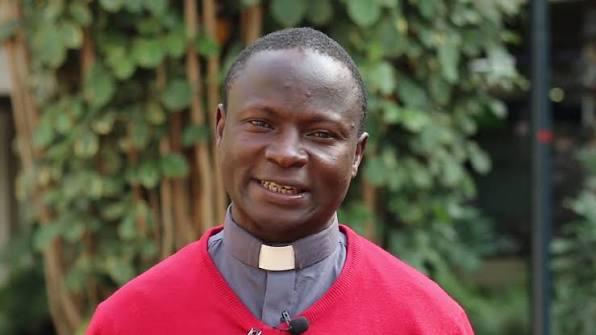
Uganda’s military has confirmed it is holding a Catholic priest who disappeared earlier this month, a case that has intensified concerns about political freedom and human rights as the country approaches a tense national election.
Arrest confirmed after days of uncertainty
The priest, Rev. Father Deusdedit Ssekabira from the Masaka Diocese, went missing on December 3. For days, neither police nor security forces acknowledged knowledge of his whereabouts, prompting alarm from the Catholic Church and the public.
The Uganda People’s Defence Forces (UPDF) later released a statement confirming that the priest is in military custody. Officials say he was detained because he is suspected of involvement in “violent subversive activities against the state” and that he will face charges in court as part of ongoing investigations.
Church and community raise alarm
Local church leaders and parishioners were deeply disturbed by the priest’s disappearance. The Bishop of Masaka Diocese described the incident as a grave wound to the church, the community, and the priest’s family.
According to church representatives, the priest was seized by men in army uniform in Masaka City where he served as a pastor and director of a primary school. Efforts by the diocese and legal advisors to secure his safe release remain ongoing, and calls for prayers for his well-being have been issued.
The Catholic Church had earlier reported the priest’s disappearance as a possible abduction and urged security agencies to clarify his situation. Police acknowledged social media reports of the disappearance and said they were verifying the claims before the military’s formal confirmation of custody.
Election tensions and broader political concerns
The arrest comes amid escalating political tensions as Uganda prepares for a general election in January 2026. Critics of the government argue that security forces have increasingly targeted opponents and civil society figures under broad and vague justifications.
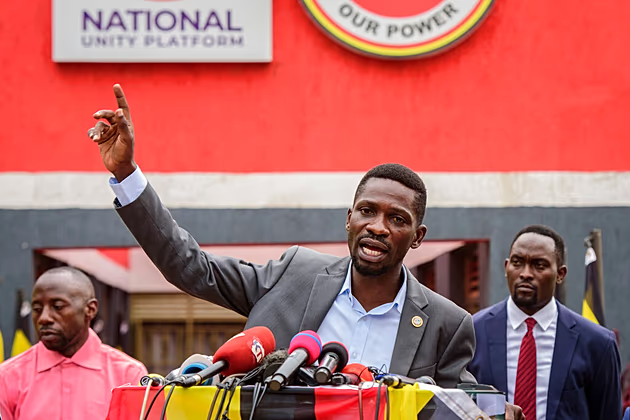
Opposition leaders, including presidential contender Robert Kyagulanyi, known widely as Bobi Wine, have condemned the military’s involvement in civilian arrests. They accuse the government of detaining critics and civilians without proper legal process, a charge the authorities reject.
This controversy follows other reports this year of detentions and confrontations involving opposition supporters and activists, provoking criticism from human rights advocates who say such actions undermine freedom of expression and peaceful participation in the political process.
Rising scrutiny of security operations
Human rights organizations and observers have expressed worry about the growing role of military institutions in civilian matters, particularly in politically sensitive contexts. Detaining a priest — a respected religious figure — has triggered debate about the limits of military authority and the protection of citizens’ rights.
Some political analysts warn that the military’s involvement in detentions could further escalate mistrust between the government and large segments of the population ahead of the election. They argue that ensuring transparent legal procedures and respect for civil liberties is vital for peaceful participation and inclusive governance.
What happens next
The military says Father Ssekabira will be produced before a civilian court to face charges related to the allegations against him. Meanwhile, church leaders, civil liberties activists, and members of the public continue to monitor the case closely, calling for due process and respect for the rule of law.
As Uganda moves closer to its election, the detention of a prominent religious figure highlights the broader tensions facing the nation — as security concerns, political contestation, and civil rights converge in an increasingly charged environment.