

Thiaroye 44: The Forgotten Massacre of African Soldiers Who Fought for France
- News Senegal
OurDailyAfrica Reporter
- 0
- 8 minutes read
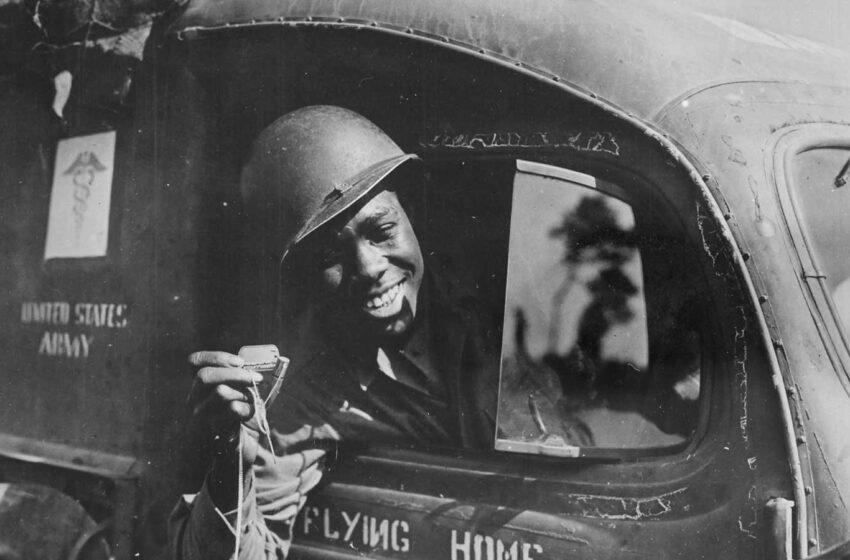
Thiaroye 44 remains one of the most painful and overlooked tragedies in African colonial history. In December 1944, African soldiers who had fought for France during the Second World War were killed by the very army they served. Their crime was simple: they demanded fair pay and dignity after years of sacrifice.
The massacre at Thiaroye exposed the deep injustice of colonial rule. It also revealed how African lives were valued differently, even after helping defeat fascism in Europe. Today, Thiaroye 44 stands as a symbol of betrayal, silence, and delayed justice.
Who were the Tirailleurs Sénégalais?
The victims of Thiaroye were part of the Tirailleurs Sénégalais, a corps of African soldiers recruited by France from across West and Central Africa. Despite the name, they came from Senegal, Mali, Guinea, Burkina Faso, Chad, and other colonies.
During World War II, these men fought on European battlefields. Many were captured by Nazi forces and held in harsh prison camps. Others died in combat while defending French territory. They endured racism, poor treatment, and unequal pay, yet they remained loyal to their orders.
When the war ended, the surviving soldiers expected recognition and compensation. France had promised them back pay, bonuses, and safe return home. That promise would soon be broken.
Return to Dakar and rising tension
In late 1944, several hundred African soldiers were transported back to Senegal. They were temporarily housed at Thiaroye military camp, near Dakar, while awaiting demobilization.
However, problems emerged almost immediately. French authorities informed the soldiers that their payments would be reduced. Currency conversions were manipulated. War bonuses were delayed or denied. Meanwhile, white French soldiers received full compensation.
The African soldiers protested calmly. They wrote petitions. They requested meetings. They asked for clarity. At no point did they carry weapons or call for violence.
Still, colonial officials labeled them as disobedient.
December 1, 1944: The Thiaroye massacre
On the morning of December 1, 1944, French forces surrounded the Thiaroye camp. Armored vehicles and armed troops took positions around unarmed soldiers who were still asleep or gathering for roll call.
Without warning, gunfire erupted.
Soldiers were shot inside their tents. Others were killed while trying to flee. Some raised their hands in surrender, yet the bullets continued. The operation lasted only a short time, but its impact was devastating.
Dozens of African soldiers were killed on the spot. Independent accounts suggest the death toll may have been far higher than official figures.
Cover-up and punishment of survivors
French authorities claimed that only a small number of soldiers died. They described the event as a response to a mutiny. However, witnesses and historians have challenged this version for decades.
Survivors of the massacre were arrested and put on trial. Instead of receiving justice, they were convicted and imprisoned. Their families were never compensated. Their names were removed from military honor rolls.
For years, colonial archives remained closed. The truth of Thiaroye 44 was buried under official silence and distorted reports.
Why Thiaroye 44 was erased from history
After independence, many African governments avoided confronting colonial crimes. France, meanwhile, resisted acknowledging responsibility. As a result, Thiaroye 44 remained absent from textbooks, memorials, and public discourse.
The massacre challenged the narrative of France as a liberator during World War II. It also exposed racial inequality within the colonial military system. For these reasons, the story was considered inconvenient.
Only writers, filmmakers, and historians kept the memory alive through oral history and cultural works.
Thiaroye 44 in African historical memory
Today, Thiaroye 44 is increasingly recognized as a defining moment in Africa’s struggle for dignity and justice. It represents the contradiction of fighting for freedom abroad while being denied it at home.
The massacre also influenced anti-colonial movements across West Africa. It showed that loyalty to empire did not guarantee respect. For many Africans, Thiaroye became proof that independence was necessary.
In recent years, calls for official recognition and apology have grown louder. Descendants of the victims continue to demand truth, reparations, and remembrance.
Lessons from Thiaroye 44
Thiaroye 44 teaches painful but important lessons. It shows how colonial systems dehumanized African soldiers even after their service. It also highlights the dangers of silencing historical injustice.
Most importantly, it reminds the world that African contributions to global history have often been rewarded with neglect rather than gratitude.
Conclusion
The story of Thiaroye 44 is not just about a massacre. It is about broken promises, racial injustice, and forgotten heroes. These soldiers fought fascism, survived war, and returned home seeking fairness. Instead, they were met with bullets.
Remembering Thiaroye 44 is an act of historical justice. It restores dignity to men whose voices were silenced. And it ensures that their sacrifice is no longer ignored.