

Tensions Rise Between South Africa and the United States Over Detention of U.S. Officials
- South Africa
OurDailyAfrica Reporter
- 0
- 11 minutes read
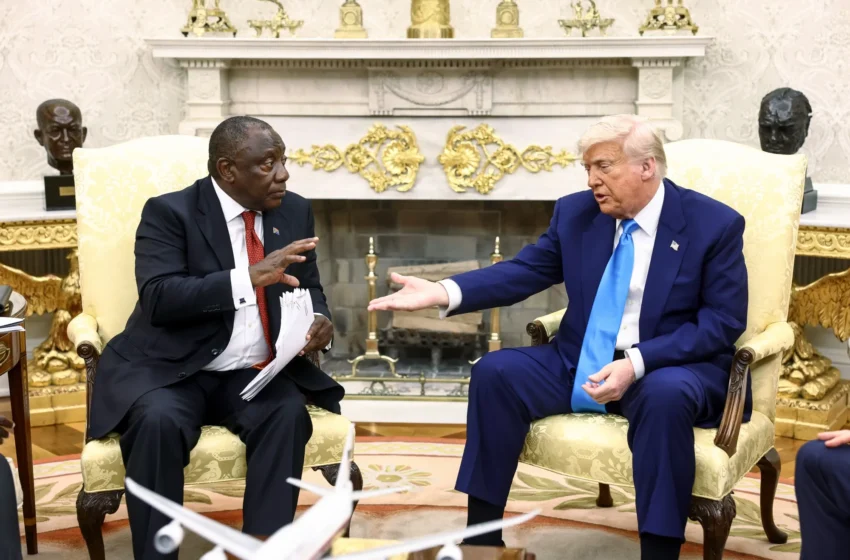
Tensions between South Africa and the US rise following a diplomatic dispute triggered by the detention of American officials during a law-enforcement operation on South African soil. The incident has sparked sharp reactions from Washington and firm responses from Pretoria, placing strain on a relationship that has already faced growing pressure in recent months.
The disagreement centers on an operation carried out by South African authorities at a refugee processing facility linked to a U.S.-supported resettlement program. While South Africa insists the operation focused solely on immigration enforcement, the United States argues that its officials were improperly detained and exposed to public scrutiny.
As both governments exchange statements, the episode has raised broader questions about sovereignty, diplomatic norms, and the future of bilateral cooperation.
Why Tensions Between South Africa and the US Rise Now
The reason tensions between South Africa and the US rise at this moment lies in a clash of legal authority and diplomatic expectations. South African officials say the operation targeted foreign nationals working without valid permits. However, U.S. authorities claim that American officials on official duty were briefly detained and treated in a manner inconsistent with diplomatic protocol.
According to Washington, the incident crossed an important line. U.S. officials described the detention as unacceptable and warned that such actions could have consequences if not addressed.
Pretoria, on the other hand, has rejected the characterization. South African authorities maintain that no U.S. officials were arrested and that the operation followed domestic law.
This sharp disagreement has deepened mistrust and amplified existing diplomatic sensitivities.
Details of the Law Enforcement Operation
The operation took place at a facility associated with refugee processing activities. South African authorities reported that several foreign nationals were found to be working without proper documentation. As a result, officials detained and later deported them in accordance with immigration regulations.
South African officials stressed that the operation did not target any specific nationality or government. Instead, they framed it as a routine enforcement action.
However, the presence of U.S. officials at the site complicated the situation. American authorities argue that their personnel were carrying out official duties and should not have been detained or questioned in the manner described.
This disagreement over facts has fueled the broader diplomatic dispute.
United States Responds with Strong Condemnation
As tensions between South Africa and the US rise, Washington has adopted a firm tone. U.S. officials expressed serious concern over the incident and criticized what they described as harassment of American personnel.
The United States also raised alarm over the alleged public disclosure of passport details belonging to its officials. According to U.S. statements, such actions endangered personnel and violated accepted diplomatic practices.
American officials warned that failure to resolve the issue could affect bilateral relations. While no specific measures were announced, the language used signaled growing frustration.
This response reflects Washington’s sensitivity toward the treatment of its officials abroad, especially in politically sensitive contexts.
South Africa Defends Sovereignty and Legal Authority
South Africa has responded by firmly defending its sovereignty. Government officials emphasized that all actions taken during the operation complied with national laws and procedures.
Pretoria rejected claims that U.S. officials were arrested, stating instead that authorities merely verified identities during the operation. Officials also dismissed accusations regarding the release of passport information, calling them unsubstantiated.
South Africa’s Department of International Relations and Cooperation reaffirmed its commitment to diplomatic engagement. At the same time, it stressed that enforcing immigration law should not be interpreted as hostility toward foreign governments.
This stance underscores South Africa’s determination to assert legal authority within its borders.
Broader Diplomatic Context
The fact that tensions between South Africa and the US rise cannot be viewed in isolation. Relations between the two countries have faced strain over several issues, including foreign policy alignment, migration debates, and differing global priorities.
In recent months, disagreements over refugee policies and international positioning have created friction. The latest incident has therefore added fuel to an already sensitive relationship.
Analysts suggest that both sides are responding not only to the immediate event but also to accumulated frustrations. As a result, rhetoric has hardened more quickly than it might have under calmer circumstances.
Potential Impact on Bilateral Relations
If unresolved, the dispute could affect cooperation across several areas. The United States and South Africa maintain ties in trade, security, health programs, and development initiatives.
Heightened diplomatic tension may complicate joint efforts, especially in areas requiring close coordination. Investors and international partners also watch such disputes closely, as they can signal broader instability.
However, experts note that both countries have strong incentives to prevent escalation. Long-standing economic and strategic interests favor dialogue over confrontation.
Calls for Dialogue and De-escalation
Despite rising rhetoric, officials on both sides have signaled openness to diplomatic engagement. South Africa has stated that it seeks clarification through official channels. Meanwhile, the United States has emphasized accountability rather than rupture.
Diplomats and analysts argue that quiet negotiations could help bridge differing interpretations of the incident. Clear communication may also prevent similar disputes in the future.
As history shows, diplomatic relationships often face moments of tension. The outcome depends largely on how leaders choose to manage them.
Public and Political Reactions
Public reaction within South Africa has been mixed. Some commentators support the government’s firm stance on sovereignty. Others warn that deteriorating relations with the United States could carry economic and political costs.
In the United States, the incident has drawn attention amid broader debates about the protection of government personnel abroad. Lawmakers and analysts have urged a measured response that protects diplomatic norms while avoiding unnecessary escalation.
These domestic pressures add another layer of complexity to the situation.
What Comes Next
As tensions between South Africa and the US rise, attention now turns to behind-the-scenes diplomacy. Formal communications between foreign ministries are expected to clarify facts and expectations.
The way both sides handle this episode will shape the tone of relations moving forward. A cooperative resolution could restore trust, while prolonged disagreement may deepen divisions.
For now, the incident stands as a reminder of how quickly diplomatic relationships can be tested when legal authority and international protocol collide.
Conclusion
In conclusion, the dispute over the detention of U.S. officials has pushed relations between South Africa and the United States into a tense phase. Differing accounts of the incident, combined with existing diplomatic sensitivities, have intensified the situation.
While South Africa emphasizes sovereignty and legal enforcement, the United States focuses on diplomatic protections and safety concerns. Bridging this gap will require careful diplomacy and mutual respect.
Although tensions between South Africa and the US rise, both nations still have strong reasons to pursue dialogue. How they navigate this challenge will influence their partnership in the months ahead.