
Tanzania blocks Independence Day protests, calls them a “coup”
- News Tanzania
OurDailyAfrica Reporter
- 0
- 5 minutes read
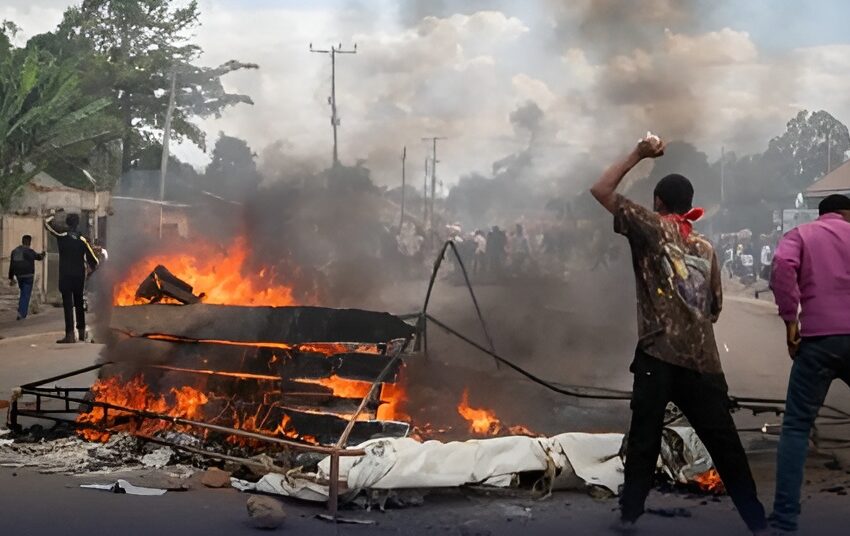
The Tanzanian government has declared that nationwide protests planned for Independence Day (9 December 2025) are illegal and has labeled them an attempted coup. Authorities insist that the planned demonstrations lack legal basis and formal authorisation.
Government’s stance: no permit, no protest — “a coup”
The Minister for Home Affairs stated in a media briefing that the planned protests are unlawful. Because no formal permit was submitted, and organisers remain unknown, the government insists these gatherings will not be tolerated. In the words of the minister, this is not a legitimate protest — it is a coup attempt that security forces must prevent.
Police cautioned the public: any attempt to assemble will be met with enforcement. Meanwhile, the Prime Minister urged citizens to stay home on the holiday, framing it as a precautionary measure for safety.
Pre-emptive arrests and heavy security deployment
Ahead of the planned December 9 protests, security forces arrested several activists and opposition supporters accused of online “incitement.” In multiple cities, dramatic showings of police and military presence — including armoured vehicles — were reported.
Communities in major Tanzanian cities woke to an atmosphere of tension. Streets near key intersections, government buildings, and major transport routes were heavily guarded. The government also cancelled official Independence Day celebrations, redirecting funds previously allocated for festivities toward repairing infrastructure damaged during recent unrest.
Background: tensions from disputed October election
The protests were organised in response to alleged police violence and human rights abuses during the general election held on 29 October 2025. The election outcome and subsequent crackdown sparked nationwide outrage.
Many people claim that hundreds died during the post-election unrest and thousands were arrested. The planned December 9 protests were meant to commemorate victims and demand accountability. In response, the government declared them not as legitimate demonstrations, but as threats to national stability.
International concern and rights warnings
The decision to block protests has drawn criticism. Human rights groups and international bodies have called on Tanzanian authorities to respect citizens’ rights to peaceful assembly and free expression. They warn that pre-emptive bans, mass arrests, and heavy security deployment risk escalating tensions and violating basic freedoms.
Rights advocates have urged the government to allow peaceful protests and guarantee safe conditions for civic expression. They emphasize that the right to dissent is essential in a democratic society, even — or especially — after contested elections.
What’s next: a volatile holiday and uncertain future
As Independence Day arrives, Tanzania faces a delicate and potentially explosive moment. With public grief, anger, and unresolved questions about election violence still fresh, heavy-handed suppression of dissent could spark further tensions.
Meanwhile, authorities face pressure — both domestically and internationally — to balance security with respect for rights. The coming days will test whether the government’s strategy brings calm — or deepens divides.
For many Tanzanians, December 9 may no longer be a day of celebration — but a stark reminder of political fragility, civic repression, and unresolved justice.