

Grassroots Sudan Tree Planting to Make Khartoum Greener Amid Reconstruction
- News Sudan
OurDailyAfrica Reporter
- 0
- 12 minutes read
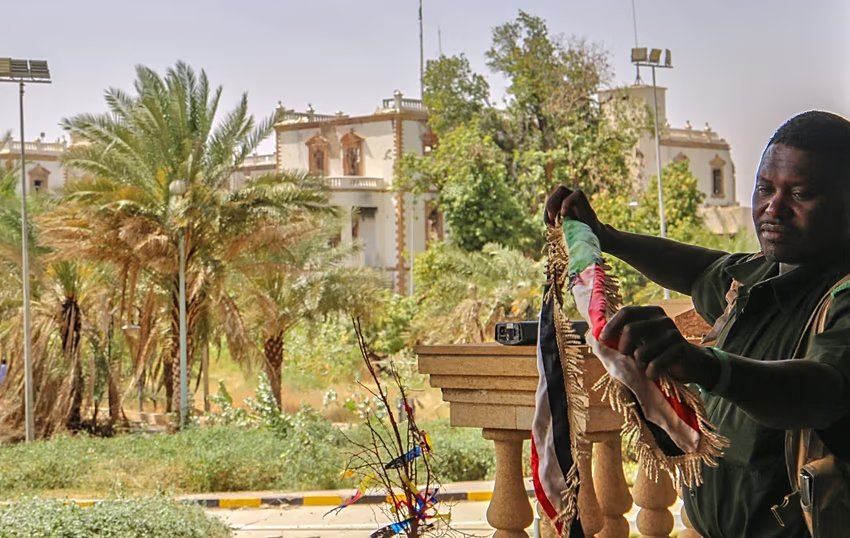
Sudan tree planting effort transforms Khartoum during reconstruction
Sudan tree planting initiatives are gaining momentum as volunteers work to green the capital, Khartoum, while reconstruction efforts continue. After years of conflict that ravaged the city’s infrastructure and stripped away much of its vegetation, residents and young volunteers have taken it upon themselves to restore greenery. This community-driven tree planting movement aims to make Khartoum greener, improve environmental quality, and foster civic pride during an important recovery period.
With thousands of residents returning to the city, the restoration of green spaces is both a symbolic and practical step toward healing from the devastation of war. Trees planted today represent hope for environmental renewal, stronger communities and a more resilient future for Sudan’s capital.
Origins of the Sudan Tree Planting Movement
The idea for Sudan tree planting emerged from a simple question: why are there so few trees lining the streets and neighbourhoods of Khartoum? This question sparked conversations among local youth on social media, drawing support from people who longed for a greener city. From these early discussions, a grassroots movement took shape with the goal of planting trees to make Khartoum greener and more inviting.
Inspired by this shared desire, volunteers organized what became known as the “Green Khartoum” initiative. They set an ambitious target to plant 1,000 trees around key areas. The concept resonated quickly, especially with young people eager to rebuild their city and restore its environment after years of destruction.
Mobilizing Volunteers for Tree Planting Across Khartoum
Volunteers from diverse backgrounds have stepped forward to participate in this tree planting effort. Many are students and young professionals who saw the need for green spaces as part of the city’s rehabilitation. Some long-time residents joined the movement out of love for their home, while others saw it as a chance to contribute to a positive future.
Volunteers have devoted hours to preparing the soil, planting saplings, and ensuring that trees receive proper care. Teams have spread out across Khartoum’s central districts and outskirts, selecting sites where new greenery could thrive and help cool the city’s climate. During planting sessions, participants speak of their hope that future generations will enjoy shade, clean air and fruit from the trees they plant.
This collective effort emphasises community spirit. Rather than waiting for government action, these volunteers have stepped in to make a tangible difference. Their energy has motivated others to participate, creating a ripple effect across neighbourhoods. With each tree planted, Khartoum’s appearance becomes greener and its environment stronger.
Why Trees Matter in Post-Conflict Reconstruction
Planting trees is more than an aesthetic choice. It plays an important role in rebuilding a city that has suffered environmental damage. Trees help stabilise soil, improve air quality, provide shade and reduce overall temperatures in urban areas. They also serve as natural barriers that protect against dust and erosion, which can worsen in post-conflict environments.
In addition, green spaces have psychological benefits. They offer residents places to rest, reflect and connect with nature after long periods of stress and instability. For returnees who fled during the conflict and have since come back to rebuild their homes, these small pockets of green can provide comfort and a sense of normalcy.
The tree planting movement also offers opportunities for everyday citizens to engage meaningfully in reconstruction. Participation promotes civic engagement and empowers communities to take ownership of their city’s future.
Voices from the Green Khartoum Initiative
Many volunteers have shared their personal motivations for joining the tree planting drive. For some, the absence of trees in city streets and parks felt like a visible reminder of the damage caused by years of conflict. Others wanted to create lasting change that would benefit both their families and future generations.
The founder of the Green Khartoum initiative explained that young people asked why fruit trees and shade trees were not part of everyday life in Khartoum. These questions, initially shared through social media, became the basis for action. The response from the youth was overwhelming, with many eager to contribute to the project.
Another volunteer noted that rebuilding the city’s greenery was a way to restore dignity to neighbourhoods that had been battered by war. As trees take root and grow, they become living symbols of resilience, renewal and shared effort.
Expanding the Tree Planting Effort to Other Areas
While the focus of the current project has centred on planting 1,000 trees around central Khartoum, organisers hope the initiative will grow. They envision planting more trees in neighbouring cities like Bahri and Omdurman, extending the reach of environmental restoration throughout the wider metropolitan area.
Plans include increasing the variety of tree species planted so that many areas will benefit from shade, fruit and aesthetic appeal. Fruit trees in particular are seen as a way to provide food as well as beautification, aligning environmental goals with community needs.
The long-term plan also emphasises ongoing care for planted trees, encouraging volunteers to monitor their growth, water them regularly and protect them from damage. This sustained attention is essential to ensure that newly planted saplings thrive in a climate that can be harsh without proper maintenance.
Intersecting Reconstruction with Environmental Renewal
Reconstruction efforts in Khartoum focus largely on rebuilding infrastructure such as roads, homes and public buildings. Yet many residents believe that environmental renewal should be part of any recovery plan. Trees planted today will benefit future construction and urban planning by promoting better microclimates and more sustainable living conditions.
In the wake of conflict, restoration of the natural environment reinforces physical and emotional healing. The tree planting activities contribute to this process, reminding citizens that life can flourish again after widespread destruction.
As families return to their homes and begin to rebuild livelihoods, a greener city represents recovery that reaches beyond brick and mortar. It illustrates a comprehensive approach to reconstruction that values both human and environmental wellbeing.
Challenges and Future Opportunities
Despite the enthusiasm of volunteers, challenges remain. Water scarcity and limited resources can hamper tree growth without proper support. Additionally, maintaining tree health in a desert climate requires ongoing effort and organisation.
Organisers have emphasised the need for community partnerships to secure resources such as water and soil nutrients. Collaboration with local groups, businesses and neighbourhood associations could provide stable support for expanded tree planting programs.
Even so, the initial efforts have sparked widespread interest in environmental regeneration. Many young people express optimism that this momentum will continue and lead to new community projects focused on sustainability and urban regeneration.
Environmental and Social Benefits of the Tree Planting Movement
The benefits of this Sudan tree planting movement extend beyond aesthetics. Trees increase community wellbeing by creating cooler outdoor spaces and improving air quality. They also act as natural carbon absorbers, supporting environmental health in a region affected by dust storms and desertification.
Socially, tree planting brings people together. It creates shared experiences and collective responsibility. As volunteers work side by side, relationships strengthen and neighbourhood cohesion improves. These social bonds are crucial in post-conflict societies where trust and unity must be rebuilt.
Moreover, trees can provide economic opportunities. Fruit trees may produce harvests that families can consume or sell, and green spaces can attract visitors, fostering small local markets and community livelihood projects.
A Greener Vision for Khartoum and Beyond
The Sudan tree planting project represents a broader vision for a greener, more resilient Khartoum. Residents now see their city not only as a place of recovery but as a community capable of innovation, care and environmental stewardship.
As more volunteers join and tree cover grows, the transformation will become visible across streets, parks and neighbourhoods. This process signals a hopeful future — one in which nature and community thrive together.
Through this initiative, a generation of Sudanese youth is reshaping the environment and redefining what reconstruction means. Their efforts remind us that healing after conflict involves rebuilding spaces and rebuilding lives, rooted in green growth and sustained by collective action.