
Second Commercial Flight Since Start of Sudanese War Lands at Khartoum Airport
- Sudan
OurDailyAfrica Reporter
- 0
- 11 minutes read
Sudan second commercial flight since start of war signals cautious return of air travel
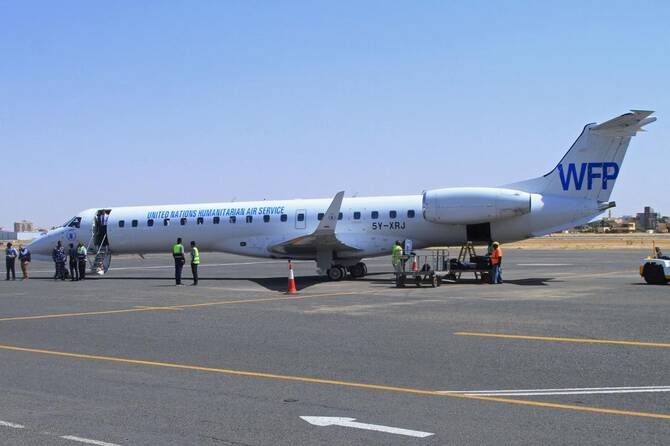
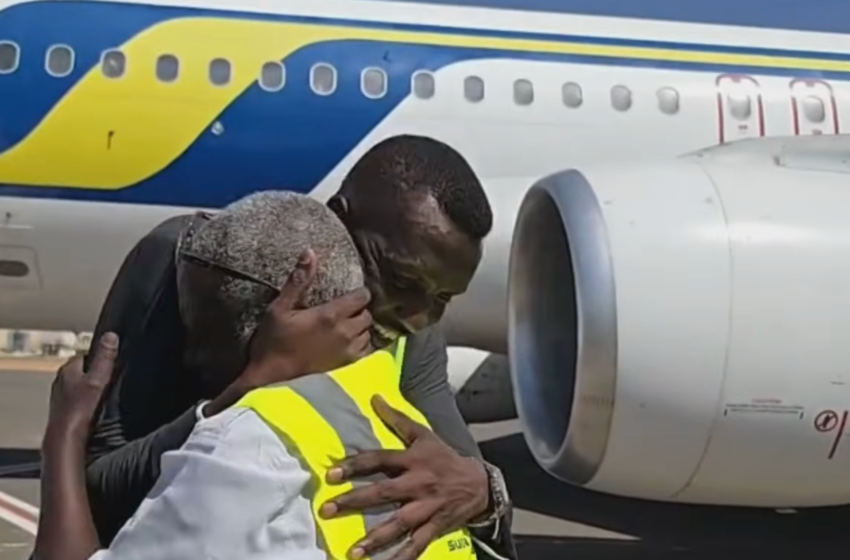
Sudan second commercial flight since start of war has landed at Khartoum International Airport, offering a rare sign of gradual recovery after years of violent conflict disrupted normal life across the capital. The domestic flight departed from Port Sudan and arrived in Khartoum under tight security measures. Passengers described the moment as emotional, hopeful, and symbolic of a city attempting to rise again after prolonged hardship.
For many residents, the sound of an aircraft landing at Khartoum’s main airport felt unfamiliar. Since the war began, the airport remained largely silent. Runways once filled with commercial activity had turned into scenes of destruction and abandonment. However, this second successful landing since the conflict began suggests that authorities are slowly restoring critical transport services, despite persistent risks.
This flight follows an earlier attempt to reopen air travel, which had limited success due to security threats. Although conditions remain fragile, officials say this step reflects growing confidence in the safety of parts of the capital. At the same time, they caution that full commercial operations will not resume immediately.
How the war disrupted Sudan’s aviation sector
When conflict erupted between rival military factions, Khartoum International Airport became one of the first casualties. Armed clashes damaged airport terminals, aircraft and essential navigation equipment. As a result, all civilian flights were suspended, leaving millions without access to reliable air transport.
Before the war, the airport connected Sudan to regional and international destinations. Business travelers, students, medical patients and families depended on regular flights. However, once fighting reached the capital, aviation operations became impossible. Airlines withdrew services, and airspace restrictions increased.
Meanwhile, Port Sudan emerged as a temporary aviation hub. Government officials relocated there, and limited domestic flights continued to operate from the coastal city. Even so, the absence of air links to Khartoum deepened the capital’s isolation and slowed humanitarian access.
As the conflict dragged on, repair crews began gradual rehabilitation of damaged airport infrastructure. Engineers cleared debris, repaired sections of the runway and restored basic communication systems. Although the process was slow, these efforts laid the groundwork for the cautious return of commercial flights.
What the second flight represents for Khartoum residents
For passengers on board, the flight carried more than luggage. It carried a sense of return, reconnection and resilience. Some travelers were returning to homes they had fled months earlier. Others were visiting relatives they had not seen since the outbreak of violence.
Moreover, airport workers welcomed the flight as a professional milestone. Many staff members lost their jobs when operations stopped. Therefore, even limited activity signals potential employment recovery. Ground crews, security staff and maintenance teams see renewed operations as the first step toward restoring livelihoods.
For the wider community, the landing offered a psychological boost. Seeing civilian aircraft return to Khartoum sends a message that the city is not abandoned. Although streets remain scarred by conflict, small signs of recovery can strengthen public morale and encourage displaced families to consider returning.
However, many residents remain cautious. Memories of sudden violence remain fresh. Therefore, while the flight inspires hope, people still worry about safety and sustainability. Most agree that sustained peace must accompany infrastructure recovery for real normalcy to return.
Security conditions behind the reopening of air travel
Authorities say security improvements around Khartoum Airport made the flight possible. Military patrols increased in the surrounding areas, and checkpoints were reinforced along major access routes. Surveillance systems were restored to monitor airspace and runway approaches.
In addition, aviation safety teams conducted risk assessments before approving the flight. These assessments reviewed runway conditions, air traffic control capacity and emergency response readiness. Only after meeting minimum safety standards did authorities authorize the aircraft’s landing.
Even so, officials stress that security remains fluid. Armed clashes continue in parts of the country, and sporadic violence can occur without warning. Therefore, each flight will undergo separate security clearance until stability improves further.
International aviation observers note that reopening airports in conflict zones requires careful coordination. Safety protocols must remain strict to protect passengers, crews and ground personnel. As a result, flight schedules may remain limited for some time.
Economic and humanitarian impact of resumed flights
Restoring limited air travel to Khartoum can help stimulate economic recovery. First, it improves access for business operators who need to move goods, staff and equipment. Second, it supports trade between regions, reducing reliance on long and insecure road routes.
Furthermore, medical travel stands to benefit. Many patients require treatment available only in major hospitals in Khartoum. With flights returning, patients can reach healthcare facilities faster and more safely. This improvement may save lives, especially for urgent cases.
Humanitarian agencies also view the reopening of air routes as critical. Aid workers rely on functional airports to deliver supplies, coordinate logistics and respond to emergencies. With air access restored, even on a limited scale, relief operations can become more efficient and timely.
In addition, domestic tourism and small-scale commerce may slowly recover. Although tourism remains limited due to insecurity, the ability to move people and goods supports local markets and services. Over time, this connectivity can strengthen economic resilience.
Challenges that remain despite this milestone
Despite the success of the second commercial flight since start of war, major challenges remain. Infrastructure damage across Khartoum extends far beyond the airport. Roads, power networks and water systems still require extensive repairs.
Moreover, the aviation sector faces financial strain. Airlines lost revenue during years of suspended operations. Restarting services requires capital investment, skilled personnel and maintenance of aircraft and facilities. Without sustained support, airlines may struggle to maintain regular schedules.
Public confidence also needs rebuilding. Many travelers remain hesitant to fly into conflict-affected areas. Therefore, authorities must communicate clearly about safety measures and operational readiness. Transparency can help rebuild trust and encourage passenger confidence.
Finally, long-term recovery depends on political stability. Without durable peace, infrastructure improvements risk reversal. Sustainable progress requires dialogue, reconciliation and inclusive governance to prevent renewed violence.
What comes next for Khartoum Airport
Officials plan to gradually expand flight operations as conditions improve. The immediate focus remains on domestic routes connecting Khartoum with key cities. Over time, authorities hope to restore regional and international flights.
In the short term, airport management will continue repairs to terminal buildings, navigation systems and security facilities. Training programs are also underway to refresh the skills of aviation staff who have been out of service.
Additionally, coordination with civil aviation authorities aims to ensure compliance with international safety standards. Meeting these standards is essential before broader flight schedules can resume. Each successful flight helps build operational confidence and technical readiness.
Community leaders also call for inclusive planning. They stress that airport recovery should benefit local residents through job creation and service restoration. Engaging communities can foster shared ownership of reconstruction efforts.
Conclusion
Sudan second commercial flight since start of war landing at Khartoum Airport marks a cautious but meaningful step toward restoring mobility and confidence in the capital. Although the conflict has deeply damaged infrastructure and trust, this milestone shows that gradual recovery is possible. Still, sustained security improvements, infrastructure investment and political stability remain essential for lasting progress. As Sudan continues its long road to recovery, each successful flight represents hope for reconnection, resilience and renewal.