

Sudan Gold Industry Collapse as Conflict Cripples Trade and Production
- Dr congo News
OurDailyAfrica Reporter
- 0
- 12 minutes read
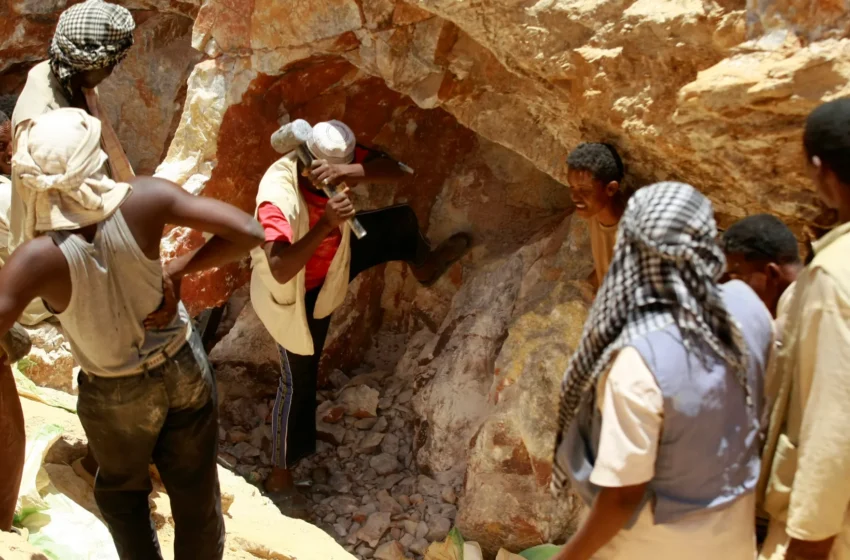
The Sudan gold industry collapse has become one of the clearest economic consequences of the country’s prolonged conflict. Once a pillar of national revenue and foreign exchange earnings, Sudan’s gold sector now struggles under insecurity, broken trade ties and rising smuggling. As fighting continues, production declines and legal export channels shrink, deepening economic instability and worsening hardship for millions.
For years, gold provided Sudan with a vital financial lifeline. However, conflict has transformed this strategic resource into a weakened industry operating largely outside state control. As a result, the gold sector no longer supports development but instead fuels informal markets and economic uncertainty.
Sudan Gold Industry Collapse Driven by Conflict and Insecurity
The Sudan gold industry collapse accelerated when armed conflict erupted between rival military factions. Fighting spread across mining regions, disrupting extraction, processing and transportation. Many mining operations were forced to shut down, while others continued under dangerous conditions.
Before the conflict, Sudan ranked among Africa’s top gold producers. Gold exports supplied critical foreign currency and supported public finances. However, insecurity now prevents miners and traders from operating within formal systems. Roads are unsafe, facilities are damaged and financial institutions remain largely inaccessible.
Consequently, trust in state-regulated markets has eroded. Miners increasingly avoid official channels, fearing delays, confiscation or violence. This shift has weakened oversight and reduced transparency across the entire gold value chain.
Declining Production and Rising Informal Mining
Although gold extraction continues in parts of Sudan, overall production has become fragmented and inefficient. Large-scale operations face equipment shortages, power disruptions and labour displacement. Meanwhile, small-scale and artisanal mining dominates output.
Artisanal miners rely on basic tools and unsafe practices. While this form of mining provides income for many households, it also limits productivity and quality. Furthermore, informal mining makes regulation difficult and reduces state revenue.
As formal refineries struggle to operate, raw gold often bypasses processing entirely. Instead, it enters informal trade networks that operate beyond government oversight. This pattern reinforces the Sudan gold industry collapse by diverting value away from the national economy.
Smuggling Networks Undermine the Formal Economy
Smuggling has emerged as one of the most damaging consequences of the Sudan gold industry collapse. With legal export channels disrupted, most gold now leaves the country through unofficial routes. These routes connect Sudan to neighbouring states and international markets through informal traders.
This illicit trade deprives the government of billions in potential revenue. Taxes, royalties and export earnings that once supported public services no longer reach state coffers. As a result, Sudan struggles to finance imports, stabilise its currency and provide basic services.
Moreover, smuggling strengthens armed groups and criminal networks. Profits from illegal gold sales help sustain conflict, creating a cycle in which insecurity and economic collapse reinforce each other.
Trade Ties Collapse and Export Markets Shrink
The breakdown of diplomatic and commercial relationships has further intensified the Sudan gold industry collapse. Prior to the conflict, Sudan relied on established international partners to export gold. These relationships ensured steady demand and reliable foreign exchange inflows.
However, political tensions and accusations linked to the war have led to severed ties with key trading partners. As a result, Sudan’s access to formal export markets has narrowed significantly. Potential buyers remain cautious due to instability, compliance risks and reputational concerns.
Without trusted partners, legal exports struggle to recover. Even when gold is available, exporters face difficulties securing insurance, transport and payment mechanisms. These barriers discourage formal trade and push more gold into illicit channels.
Government Efforts to Regain Control of the Gold Sector
Authorities have acknowledged the urgent need to stabilise the gold industry. Several measures have been proposed to restore regulation, transparency and investor confidence. These include plans to create a structured gold exchange and modernise trading systems.
The government aims to attract international buyers by improving oversight and reducing smuggling. Digital trading platforms and centralised pricing mechanisms are also under consideration. Such reforms could help rebuild confidence in Sudan’s gold exports.
However, these efforts face major obstacles. Ongoing conflict, damaged infrastructure and limited institutional capacity undermine implementation. Without improved security and political stability, regulatory reforms alone cannot reverse the Sudan gold industry collapse.
Economic Impact of the Sudan Gold Industry Collapse
The decline of the gold sector has serious consequences for Sudan’s broader economy. Gold once helped stabilise foreign reserves and support the national currency. With export earnings reduced, the currency continues to weaken and inflation remains high.
Rising prices affect food, fuel and basic goods, placing immense pressure on households. Many families struggle to afford daily necessities, while wages fail to keep pace with inflation. This economic strain increases poverty and social tension.
At the same time, reduced revenue limits government spending. Public services such as healthcare, education and infrastructure suffer as funds become scarce. The Sudan gold industry collapse therefore affects not only miners but the entire population.
Impact on Mining Communities and Livelihoods
Mining communities are among the most affected by the collapse. Thousands of families depend on gold extraction for survival. Yet insecurity, exploitation and lack of regulation expose workers to serious risks.
Unsafe working conditions lead to frequent accidents and long-term health problems. The use of harmful chemicals without oversight also threatens water sources and farmland. Environmental damage adds another layer of hardship for already vulnerable communities.
Additionally, economic desperation pushes many people into informal labour with little protection. Children and young people face increased risks of exploitation, reinforcing cycles of poverty and limited opportunity.
Regional and Global Implications
The Sudan gold industry collapse has implications beyond national borders. Illicit gold flows affect regional security and undermine efforts to promote responsible sourcing. Unregulated gold entering global markets complicates traceability and ethical supply standards.
Neighbouring countries face increased pressure as smuggling routes expand across borders. These networks weaken regional governance and contribute to broader instability. Addressing Sudan’s gold crisis therefore requires cooperation beyond its borders.
International actors continue to call for stronger monitoring and governance mechanisms. However, meaningful progress depends on conditions inside Sudan improving first.
Prospects for Recovery and Long-Term Stability
Recovery of Sudan’s gold sector remains uncertain. Peace and political stability are essential for rebuilding institutions and restoring investor confidence. Without security, production and trade cannot return to formal channels.
If stability improves, gold could once again support economic recovery. Transparent regulation, reliable trade partnerships and effective oversight could transform the sector into a driver of growth. However, this outcome requires sustained reform and international engagement.
Until then, the Sudan gold industry collapse will continue to symbolise the broader economic damage caused by conflict.
Conclusion
The Sudan gold industry collapse reflects the devastating impact of prolonged conflict on a nation’s most valuable resources. Once a cornerstone of economic stability, gold now flows through informal networks that fuel insecurity and deny citizens vital revenue. Without peace, reform and restored trade ties, Sudan risks losing the long-term benefits of its natural wealth.