
South Africa to Probe Iran’s Role in Naval Drills That Angered US
- News South Africa
OurDailyAfrica Reporter
- 0
- 8 minutes read
South Africa to Probe Iran’s Role in Naval Drills That Angered US as Controversy Grows
South Africa has launched an investigation into Iran’s involvement in a recent series of naval exercises conducted off its southern coast, following sharp criticism from the United States and reports that Tehran’s participation may have gone against presidential directives. The probe aims to clarify how Iran’s naval forces came to take part in the multinational drills and what this means for South Africa’s diplomatic relationships and defence policy.
The defence ministry stated that Defence Minister Angie Motshekga has appointed a board of inquiry to determine whether President Cyril Ramaphosa’s instructions regarding Iran’s participation were misrepresented or ignored by military leadership. The drills, held near Cape Town, included vessels from several countries and were part of broader maritime exercises designed to enhance cooperation and security in regional waters.
Background: Naval Drills and Rising Diplomatic Tensions
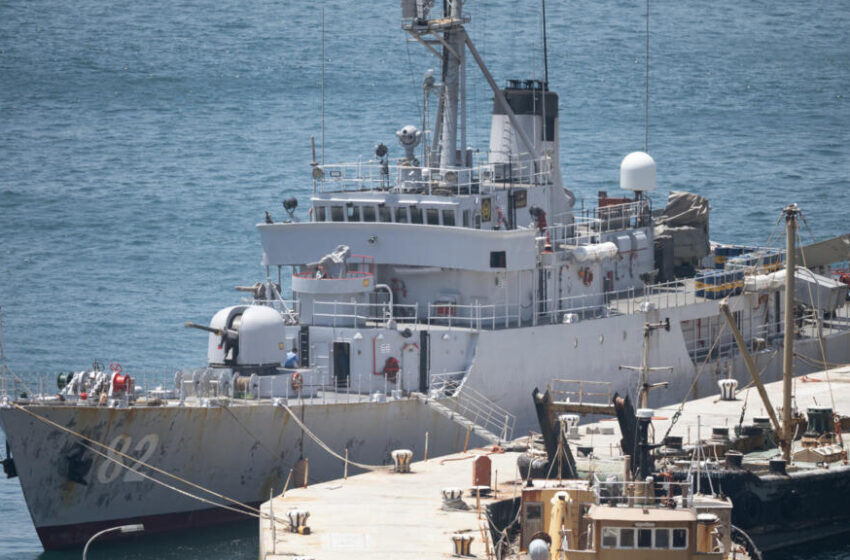
The naval exercises in question brought together maritime forces from China, Russia, Iran and the United Arab Emirates. South African officials have emphasised that the purpose of the drills was to promote the safety of shipping lanes and support economic activity at sea. However, the presence of Iranian warships drew strong objections from the United States, which described Iran’s participation as particularly troubling given ongoing human rights abuses in that country.
Earlier reports suggested that President Ramaphosa had instructed that Iran’s involvement be limited to an observer role. Yet images and official listings of the exercise appeared to show at least one Iranian vessel among the active participants, prompting confusion and concern in diplomatic circles.
The Inquiry: What South Africa Wants to Determine
South Africa’s board of inquiry will focus on understanding whether presidential orders were clearly communicated, accurately interpreted, and properly followed by defence and naval officials. The defence ministry has stressed that directions from the president were conveyed to all parties concerned and agreed upon.
The probe will examine internal communications, orders given to military personnel, and the sequence of events that led to Iranian participation in the drills beyond mere observation. Officials hope the inquiry will provide clarity and prevent further misunderstanding about South Africa’s defence posture and decision-making processes.
US Reaction and Concerns
The United States responded to the drills with public criticism, reflecting growing diplomatic strain between Washington and Pretoria. The US Embassy expressed concern that allowing Iranian warships to operate in South African waters undermines South Africa’s declared non-aligned foreign policy.
US officials described Iran as a destabilising actor and pointed to its suppression of political activists as a reason why its participation in military exercises is problematic. The criticisms come at a time when South Africa’s relationship with the United States has faced other tensions on issues ranging from trade to foreign policy alignment.
South Africa’s Defence and Foreign Policy Position
South Africa maintains that its foreign policy is neutral and seeks to engage with a range of international partners. Government representatives have defended the naval drills, saying exercises that involve multiple countries help enhance maritime security and encourage cooperation on shared challenges such as piracy and trade protection.
Supporters of the exercises also argue that South Africa must assert its sovereignty in choosing how it engages with other nations. They note that the country balances multiple diplomatic relationships and must navigate complex geopolitical landscapes without being drawn into alignment with any single power bloc.
Implications for South African Diplomacy
The controversy over Iran’s role in the naval drills highlights the delicate balance South Africa must strike in its international relations. On one hand, the nation participates in multilateral groupings and exercises aimed at strengthening cooperation. On the other, it must manage relationships with key global partners whose expectations and concerns sometimes diverge.
Analysts say the outcome of the inquiry could influence how South Africa conducts future military collaborations and diplomatic engagements, particularly with countries that are viewed with suspicion by Western capitals.
Next Steps in the Probe
Once the board of inquiry completes its review, its findings are expected to be made public. These results could clarify whether military officials overstepped directions, misunderstood orders, or acted independently.
Meanwhile, South Africa’s defence and foreign relations communities are closely watching developments, as the investigation’s outcomes may shape future policy decisions regarding international military cooperation.
Conclusion
South Africa’s decision to investigate Iran’s role in the recent naval drills reflects the growing pressures on its defence and diplomatic institutions. The tension between maintaining sovereign decision-making and responding to legitimate concerns from strategic partners underscores the complexity of modern international relations. As the inquiry progresses, it will test South Africa’s ability to balance its foreign policy principles with evolving global expectations.