

Somaliland Looks to Israel for Help with Water Crisis
- Ethopia News
OurDailyAfrica Reporter
- 0
- 12 minutes read
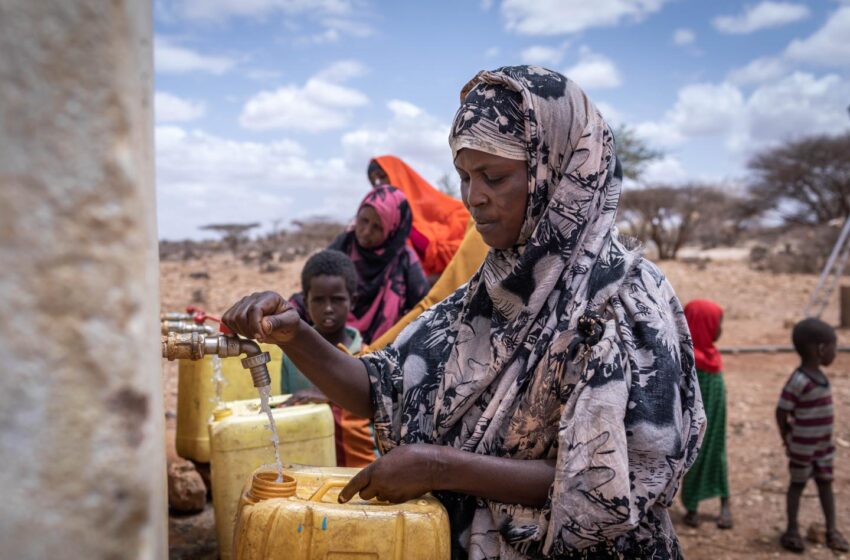
Somaliland looks to Israel for help with water crisis as worsening drought conditions threaten farming and rural livelihoods across the region. Months without rainfall have left farmland dry and reservoirs empty, forcing communities to seek urgent solutions.
Many farmers now hope that Israeli expertise in water management and agricultural technology can help restore productivity. Authorities and residents believe that international cooperation may offer practical answers to the growing crisis.
The prolonged drought has affected both rural families and livestock owners. Without reliable water supplies, economic activity continues to decline. As a result, many households face an uncertain future.
Why Somaliland Looks to Israel for Help with Water Crisis
The decision that Somaliland looks to Israel for help with water crisis reflects growing desperation among rural communities. Farmers report that planted fields have turned into dry soil after many months without rain.
In several farming areas near the capital, Hargeisa, rainfall has been absent since the middle of the previous year. Normally, these months bring significant precipitation. However, recent seasons have produced very little rainfall.
Water reservoirs have dried up, leaving animals and farmers struggling to survive. Camels and other livestock often depend on natural water sources. Yet many of these sources have disappeared.
Farmers say they can no longer depend on traditional farming methods. Therefore, they seek new approaches to survive the changing climate conditions.
Many residents believe Israeli technology could help improve irrigation and water storage systems. Israel has a global reputation for advanced agricultural techniques suited to dry environments.
Consequently, Somaliland authorities view cooperation with Israel as a possible solution to long-term water shortages.
Impact of Drought on Rural Communities
The drought has already changed daily life across many parts of Somaliland. Farming families now face declining harvests and reduced income.
Many children have left school because families cannot afford basic needs. Livestock has become the main source of survival for some households. However, even animals struggle to find water and pasture.
Some farmers warn that they may abandon their land if the drought continues. Migration to urban areas could increase if rural conditions worsen.
Therefore, the water crisis threatens both economic stability and social development.
Rural communities depend heavily on seasonal rainfall. When rains fail, local economies suffer immediately. Crop production declines, and food prices often rise.
Consequently, vulnerable families face growing financial pressure.
Climate Challenges and Water Shortages
Rainfall patterns in Somaliland have become increasingly unpredictable. Over the past several years, rainy seasons have often arrived late and produced limited rainfall.
These changes have reduced water availability across the region. Reservoirs and wells no longer provide reliable supplies.
Climate change has intensified drought conditions across the Horn of Africa. Many regions now experience longer dry periods and shorter rainy seasons.
As a result, traditional water systems struggle to meet growing demand.
Water shortages affect agriculture, livestock, and household consumption. Therefore, improving water management has become a national priority.
Experts emphasize the need for modern irrigation methods and improved storage systems. Without these improvements, drought conditions may continue to cause severe hardship.
Growing Cooperation Between Somaliland and Israel
The interest in Israeli support comes amid growing relations between Somaliland and Israel. In recent years, both sides have increased diplomatic and technical cooperation.
Israel became the first country to recognize Somaliland as an independent state in late 2025. Since then, cooperation between the two sides has expanded in several areas.
Water management has become one of the most important areas of cooperation. Israeli specialists have already begun sharing technical knowledge with Somaliland professionals.
Training programs now focus on water planning and resource management. These programs aim to improve local expertise and strengthen national water systems.
Officials believe that modern irrigation methods could help farmers cultivate land even during dry seasons.
Improved water storage systems could also protect communities during future droughts.
Therefore, cooperation with Israel may provide long-term solutions rather than short-term relief.
Potential Benefits of Israeli Expertise
Israel has extensive experience managing water in dry climates. The country developed advanced irrigation technologies designed to maximize efficiency.
These technologies could help Somaliland farmers use limited water resources more effectively.
Efficient irrigation systems reduce water waste while increasing crop yields. Therefore, agricultural productivity could improve even with limited rainfall.
Water recycling and storage technologies may also help communities maintain supplies throughout the year.
If implemented successfully, these solutions could transform agriculture in drought-affected regions.
Farmers would gain greater stability and reduced dependence on unpredictable rainfall.
Consequently, rural livelihoods could become more secure.
Economic and Social Importance of Water Solutions
Solving the water crisis remains essential for Somaliland’s economic future. Agriculture supports many families and contributes significantly to local economies.
Without reliable water supplies, economic growth remains limited.
Improved water management would strengthen food production and reduce poverty. Farmers could produce more crops and support their families more effectively.
Reliable water access would also improve public health. Communities need clean water for drinking and sanitation.
Therefore, water infrastructure development offers multiple long-term benefits.
Better water systems would reduce migration from rural areas to cities. Many families prefer to remain on their land if conditions improve.
As a result, rural development could continue.
Future Prospects
The fact that Somaliland looks to Israel for help with water crisis shows the urgent need for innovative solutions. Authorities recognize that traditional methods alone cannot address current challenges.
International partnerships may provide the knowledge and investment needed for sustainable development.
However, long-term success will depend on effective planning and implementation.
Government institutions must coordinate projects carefully. Communities must also participate in managing water resources.
If cooperation succeeds, Somaliland could develop stronger resilience against future droughts.
New irrigation systems and water storage projects could transform agriculture.
Over time, improved water access may strengthen economic stability.
Conclusion
The reality that Somaliland looks to Israel for help with water crisis highlights the severity of drought conditions in the region. Farmers face empty reservoirs, dry fields, and uncertain futures.
Nevertheless, cooperation with Israel offers hope for practical solutions. Advanced water technologies and improved management systems could help communities adapt to changing climate conditions.
If these efforts succeed, Somaliland could reduce the impact of drought and strengthen rural livelihoods.
Ultimately, effective water management will remain essential for long-term stability and development.