

Somalia healthcare system collapses after aid cut, donor fatigue deepens
- News
OurDailyAfrica Reporter
- 0
- 11 minutes read
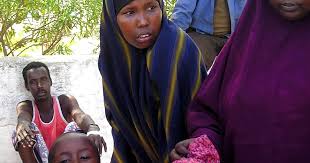
Somalia healthcare system collapses after aid cut
Somalia healthcare system collapses after aid cut amid growing humanitarian crisis
Somalia is facing a severe healthcare crisis as its fragile health system collapses under the strain of funding cuts and donor fatigue. Earlier in 2025, the reduction of key foreign aid channels — including support from a major donor — caused widespread hospital closures and shutdowns of nutrition and health centers across the country. Communities already affected by conflict, poverty, and displacement now face severely limited access to medical services.
Public hospitals and clinics are struggling to continue operations. Facilities such as Banadir Hospital and De Martino Hospital rely heavily on remaining humanitarian organizations. Critical units that handle malnourished children, maternal health, immunizations, and emergency care are under extreme pressure or have completely shut down.
Aid withdrawal intensifies health system collapse
The aid cut has particularly impacted rural and conflict-affected areas. Many health centers, mobile clinics, and nutrition programs have been forced to close due to lack of funding. Families now face difficult choices: travel long distances to functioning hospitals in volatile areas or go without care.
The lack of access to basic healthcare services increases the risk of preventable deaths, particularly for children, pregnant women, and internally displaced persons (IDPs). Clinics that once provided free or low-cost care are no longer operational, leaving vulnerable populations at high risk.
Overburdened hospitals struggle to operate
Even the largest hospitals in the capital are overwhelmed. At Banadir Hospital, the unit for severely malnourished children has lost the majority of its staff due to funding shortfalls. Only a few medical personnel remain, supported by remaining humanitarian aid organizations.
De Martino Hospital faces similar challenges. Its infrastructure, including laboratory equipment and medication supplies, relies heavily on foreign funding. Staff warn that without renewed support, essential services could collapse entirely, leaving thousands without medical care.
Rising diseases and malnutrition
The collapse of Somalia’s healthcare system has contributed to a surge in preventable diseases and malnutrition. Vaccination campaigns have stalled, and mobile clinics that served rural and displaced populations have closed. Consequently, outbreaks of cholera, diphtheria, and other preventable illnesses are on the rise.
Children under five, pregnant women, and IDPs are disproportionately affected. Many arrive at hospitals in critical condition, requiring urgent care that is increasingly unavailable. The shutdown of donor-supported health centers leaves families without options, raising mortality risks.
Structural weaknesses exposed
This crisis highlights long-standing structural weaknesses in Somalia’s healthcare system. Decades of conflict, political instability, and underfunding have left the system fragile. Even before the aid cuts, many facilities depended entirely on international support.
Public spending on health has been minimal, and the government’s budget remains insufficient. Heavy reliance on foreign aid means any reduction in funding immediately jeopardizes essential healthcare services.
Humanitarian and social impact
For Somali families, the collapse of healthcare infrastructure translates to real-world suffering: untreated illnesses, malnutrition, maternal deaths, and unchecked disease outbreaks. Vulnerable populations, including rural communities and displaced persons, face critical challenges in accessing care.
Children arrive at referral hospitals after severe malnutrition or dehydration, while women give birth without skilled attendants. Patients with chronic illnesses are unable to receive treatment. The loss of donor-supported clinics eliminates critical safety nets for communities.
Causes of donor fatigue and implications
The reduction in U.S. foreign aid and other international support has triggered a domino effect across Somalia’s healthcare system. Prolonged conflict, security concerns, and underfunded public services contributed to donor fatigue, leaving the system vulnerable.
This situation exposes the risks of overreliance on foreign aid. Without internal funding, infrastructure and staffing remain unsustainable, creating repeated crises whenever aid is withdrawn.
Path forward: Steps to rebuild the system
To stabilize Somalia’s healthcare system, the following steps are essential:
- Develop a national health strategy: Build a long-term plan prioritizing infrastructure, staff training, and supply chain resilience.
- Increase public health funding: Allocate greater portions of the national budget to hospitals, clinics, and community health programs.
- Strengthen local capacity: Train medical professionals and restore clinics, especially in remote and conflict-affected regions.
- Engage international donors strategically: Renew funding for critical services such as maternal care, immunization, and nutrition programs.
- Improve transparency and governance: Ensure limited resources are efficiently used to maximize public health outcomes.
Conclusion
The Somalia healthcare system collapses after aid cut, leaving millions vulnerable to disease, malnutrition, and inadequate care. The crisis exposes systemic weaknesses and the dangers of overdependence on foreign aid.