

Somalia Cancels All Agreements With UAE Over National Unity Concerns
- News
OurDailyAfrica Reporter
- 0
- 8 minutes read
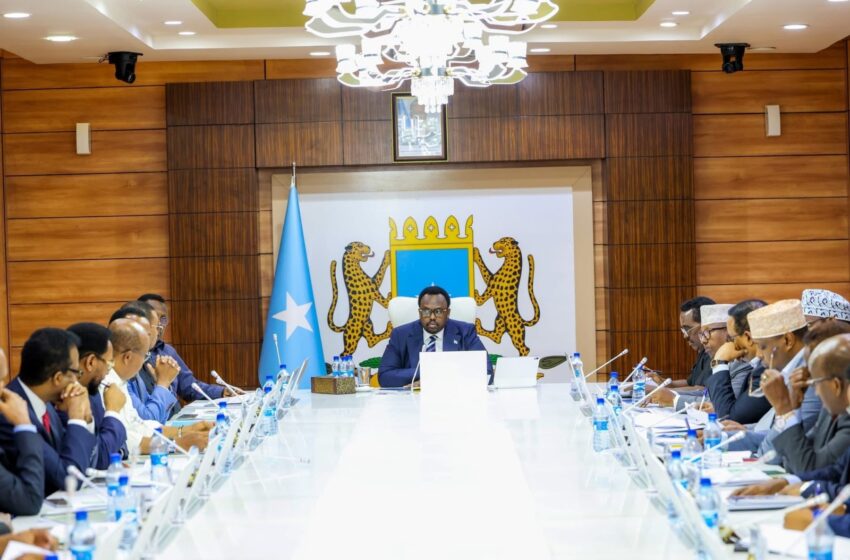
Somalia cancels agreements with UAE amid sovereignty dispute
Somalia has announced the cancellation of all agreements with the United Arab Emirates, marking a major diplomatic shift in relations between the two countries. The decision follows accusations that the UAE has taken actions that undermine Somalia’s national unity, sovereignty, and political independence.
The announcement was made after a meeting of Somalia’s Council of Ministers, which described the move as necessary to protect the country’s territorial integrity. According to the government, all bilateral agreements signed with the UAE are now considered null and void.
This decision represents one of the strongest steps Somalia has taken in recent years to assert federal authority over foreign relations and security matters.
Why Somalia took the decision
Somali officials say the cancellation stems from concerns that the UAE has engaged with regional authorities in ways that weaken the federal government. The administration argues that such actions threaten national cohesion and violate Somalia’s constitution.
In particular, the government accuses the UAE of entering agreements without approval from Mogadishu. Officials believe these deals encouraged political fragmentation and empowered regional entities at the expense of federal authority.
As a result, Somalia says it can no longer tolerate foreign partnerships that bypass the central government.
Scope of the cancelled agreements
The cancellation affects all existing agreements between Somalia and the UAE. This includes deals related to security cooperation, military training, defense support, and port management.
Several strategic ports had been linked to UAE-backed projects. These ports play critical roles in trade, security, and regional influence. Somali authorities say any foreign involvement in such locations must respect national sovereignty and legal frameworks.
By cancelling these agreements, Somalia aims to regain control over its strategic assets and foreign partnerships.
Somalia emphasizes national unity
Government officials stressed that the decision was not directed at any single nation but rather at defending Somalia’s unity. They argue that foreign involvement must strengthen the country, not divide it.
Somalia has faced decades of instability and fragmentation. As a result, leaders say safeguarding unity remains a top priority. Any action perceived as supporting regional separation is viewed as a serious threat.
The government also reiterated its rejection of any recognition of breakaway regions, insisting that Somalia remains one unified state.
Tensions between Mogadishu and regional authorities
The decision has highlighted long-standing tensions between Somalia’s federal government and some regional administrations. In the past, certain regions have signed agreements with foreign partners independently.
Mogadishu argues that such actions violate federal law. Regional leaders, however, often claim they are acting in their own economic and security interests.
This disagreement has complicated Somalia’s governance system and made foreign relations more challenging.
Regional and geopolitical implications
Somalia’s decision comes amid growing competition for influence in the Horn of Africa. Gulf states, global powers, and regional actors all seek strategic footholds in the region.
Ports, military bases, and trade routes are especially valuable due to their proximity to major shipping lanes. Therefore, Somalia’s move could reshape regional alliances and economic partnerships.
Analysts say the cancellation may encourage Somalia to strengthen ties with other partners while tightening control over foreign engagement.
UAE response awaited
As of now, the UAE has not issued an official public response to Somalia’s announcement. However, the move is expected to trigger diplomatic discussions in the coming days.
Observers note that Somalia and the UAE have previously cooperated in security and development efforts. This sudden shift therefore represents a significant change in relations.
How both sides manage the fallout will determine whether the relationship can be reset or further deteriorates.
Somalia’s push for stronger federal control
The cancellation aligns with Somalia’s broader effort to consolidate federal authority. The government has increasingly emphasized that all foreign agreements must go through official state institutions.
Officials say this approach will promote transparency, accountability, and long-term stability. They also argue it will prevent external actors from exploiting internal divisions.
Somalia hopes the decision will send a clear message about its commitment to sovereignty.
Conclusion
Somalia’s decision to cancel all agreements with the UAE marks a turning point in its foreign policy. By prioritizing national unity and constitutional authority, the government is signaling a stronger stance against foreign interference.
While the full impact of the decision is still unfolding, it underscores Somalia’s determination to control its future and protect its sovereignty in a complex regional environment.