
Sierra Leone National Day of Remembrance Honours Civil War Victims
- News
OurDailyAfrica Reporter
- 0
- 11 minutes read
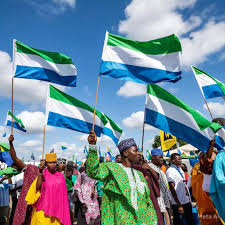
The Sierra Leone National Day of Remembrance marks a historic turning point in the country’s long journey toward healing and reconciliation. For the first time, Sierra Leone has officially dedicated a national day to honouring the victims and survivors of its devastating civil war, acknowledging the pain of the past while reinforcing a collective commitment to peace.
Observed on 18 January, the remembrance coincides with the anniversary of the war’s official end in 2002. More than two decades later, the decision to institutionalise remembrance reflects growing national consensus that sustainable peace requires memory, accountability, and truth.
The day stands as a solemn reminder of the human cost of conflict and a renewed pledge to protect future generations from similar tragedy.
The Sierra Leone Civil War and National Trauma
Sierra Leone’s civil war, which lasted from 1991 to 2002, remains one of the darkest periods in the nation’s history. The conflict resulted in tens of thousands of deaths and left countless others wounded, displaced, or permanently traumatised.
Throughout the war, civilians bore the heaviest burden. Armed groups carried out mass killings, forced recruitment of child soldiers, sexual violence, and widespread mutilations. Entire villages were destroyed, and families were torn apart.
Beyond physical destruction, the war damaged social trust, weakened institutions, and disrupted education, healthcare, and economic development. Even after peace returned, the emotional wounds of the conflict persisted.
The Sierra Leone National Day of Remembrance directly confronts this painful legacy.
Why the Sierra Leone National Day of Remembrance Matters
For many years, victims and survivors expressed concern that national recovery focused more on rebuilding infrastructure than on acknowledging human suffering. While peace agreements ended fighting, silence often replaced accountability.
By establishing a Sierra Leone National Day of Remembrance, the government has taken an important step toward addressing this imbalance.
The day serves several critical purposes:
- It honours those who lost their lives
- It recognises survivors and their resilience
- It creates space for collective mourning
- It strengthens national unity through shared memory
Importantly, remembrance transforms private grief into public recognition. It ensures that the stories of victims become part of the nation’s historical record rather than fading into silence.
Presidential Address and National Reflection
During the inaugural observance, President Julius Maada Bio addressed the nation with a message centred on reflection, responsibility, and healing. He described the day as belonging to all Sierra Leoneans, regardless of background or political affiliation.
The president acknowledged the immense suffering caused by the war and recognised the failures of leadership that allowed violence to escalate. In a significant gesture, he offered an apology to victims and survivors on behalf of the state and past administrations.
According to the president, remembering the past is not an act of blame but a foundation for unity. He stressed that peace must be actively protected through dialogue, justice, and respect for human dignity.
His remarks reinforced the idea that remembrance strengthens democracy rather than weakening it.
National Ceremonies and Public Participation
Across the country, communities observed the Sierra Leone National Day of Remembrance through solemn ceremonies and public gatherings. Central commemorations took place in Freetown, where government officials, traditional leaders, religious figures, and civil society representatives came together.
Events included:
- Moments of silence
- Prayers and reflections
- Tributes to victims
- Recognition of war-wounded citizens
Survivors, including amputees and former child soldiers, played a visible role in the ceremonies. Their presence underscored the lasting human impact of the war and the importance of inclusion in national healing.
Authorities confirmed that the remembrance day will remain a permanent part of the national calendar, with plans to expand educational and community-based activities in future years.
Remembrance as a Pillar of Peacebuilding
The Sierra Leone National Day of Remembrance is more than a symbolic gesture. It functions as a practical tool for peacebuilding and social cohesion.
By institutionalising memory, Sierra Leone:
- Encourages honest dialogue about the past
- Promotes accountability and learning
- Strengthens national identity
- Reduces the risk of repeating violence
Countries that fail to remember past conflicts often struggle with unresolved grievances. In contrast, remembrance helps societies process trauma and move forward together.
For younger generations, the day offers an opportunity to learn about the consequences of division, intolerance, and political violence.
Lessons for the Future
Sierra Leone’s experience highlights an important truth: peace is not a single event but a continuous process. While the guns fell silent in 2002, reconciliation has required sustained effort.
The Sierra Leone National Day of Remembrance reinforces the importance of addressing root causes of conflict, including inequality, exclusion, and weak governance. It also reminds leaders that decisions have lasting consequences for ordinary citizens.
By confronting its history openly, Sierra Leone sets an example for other post-conflict societies seeking durable peace.
A Nation Moving Forward Together
More than twenty years after the civil war ended, Sierra Leone continues to rebuild its institutions, economy, and social fabric. Progress has been uneven, yet resilience remains strong.
The creation of a National Day of Remembrance reflects growing maturity in national dialogue. It acknowledges that healing requires both development and dignity.
By honouring victims, recognising survivors, and educating future generations, Sierra Leone affirms its commitment to unity, justice, and peace.
The Sierra Leone National Day of Remembrance stands as a powerful declaration: the past will be remembered, the victims will be honoured, and the future will be protected.