

Senegal to suspend all extraditions to France
- News
OurDailyAfrica Reporter
- 0
- 7 minutes read
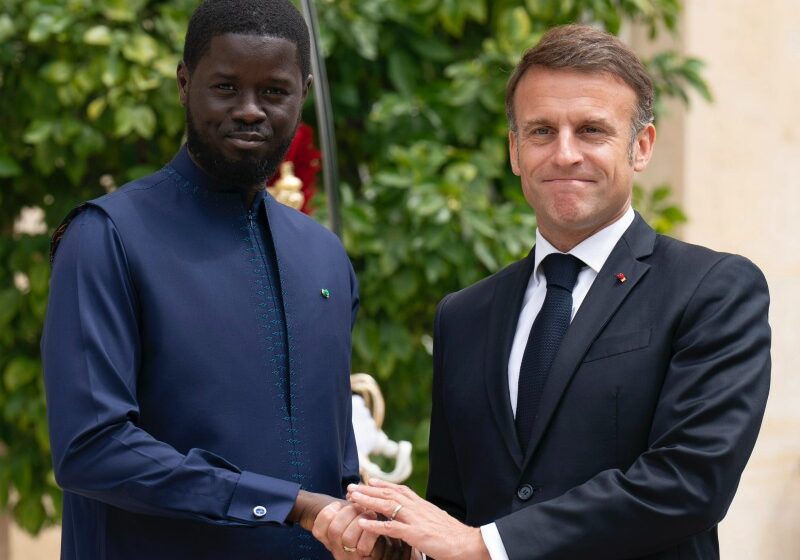
Senegal has announced it will suspend all extradition agreements with France, a move that highlights growing diplomatic tensions between the West African nation and its former colonial ruler. Under the new policy, no Senegalese citizen will be handed over to French authorities until further notice. This decision reflects broader frustrations over perceived interference in Senegal’s internal affairs and disputes over legal and political cooperation.
The announcement and its implications
Senegal’s Minister of Justice revealed that all pending and future extradition requests from France will be put on hold indefinitely. The policy applies across the board and affects citizens sought by French authorities for various legal matters. Government officials have described the measure as necessary to safeguard national sovereignty and prevent what they consider unequal legal treatment.
No timeline was given for when the suspension may be lifted. Officials indicated that the decision could be reviewed only once a new framework is negotiated, one that Senegal considers fairer and more respectful of its legal system and autonomy.
Background: lingering tensions in Franco-Senegalese relations
Senegal and France share deep historical ties, including language, education, and political cooperation. For decades, the two countries worked together on security, trade and regional diplomacy. However, relations have cooled in recent years due to disagreements over judiciary matters and diplomatic conduct.
A series of high-profile legal cases involving Senegalese citizens and French authorities strained ties. Critics in Senegal argue that some extradition requests serve political ends rather than genuine legal necessity. They also claim that French authorities sometimes bypass domestic legal protections by pressuring local courts.
Officials in Dakar say this trend undermines confidence in bilateral cooperation and could set dangerous precedents for legal fairness and national autonomy. The suspension of extraditions thus becomes both a symbolic and practical assertion of Senegal’s judicial independence.
Domestic reaction
The announcement triggered strong reactions within Senegal. Some political leaders and civil society groups praised the government’s decision as a bold defense of sovereignty. They asserted that extradition policies should not be subject to foreign influence and should respect domestic legal rights and procedures.
Human rights advocates voiced cautious support, noting that safeguarding citizens’ rights remains crucial. They emphasised that extradition should only proceed when due legal process is followed and when defendants have access to fair trials. This perspective resonates with broader public concerns about legal fairness and protection from external pressures.
However, critics of the policy warn that suspending extraditions could isolate Senegal diplomatically and complicate cooperation on serious transnational crimes such as terrorism, money laundering and organised crime. They argue that blanket suspensions may weaken joint efforts to combat crime that transcends borders and affects both nations.
France’s likely response
French officials have not yet issued a formal statement on Senegal’s decision, but observers expect a measured diplomatic response. France may seek to engage with Senegal through diplomatic channels to clarify the reasons behind the suspension and explore possible arrangements to address mutual concerns.
Potential responses could include negotiations for a new legal framework, assurances of respect for Senegalese legal norms, or discussions on how to balance extradition with protections for human rights.
Broader context: changing post-colonial dynamics
Senegal’s move occurs amidst wider debates across Africa about post-colonial relations, legal sovereignty and the legacy of European influence. Several African nations have been reevaluating bilateral agreements with former colonial powers in areas such as security, trade, culture, and legal cooperation.
Many analysts note that demands for equitable partnerships reflect evolving national identities and a desire to rebalance diplomatic ties. In this context, the extradition suspension is part of a broader reassertion of sovereignty and autonomy.
What this means for legal cooperation
While the suspension affects extraditions specifically to France, it may influence how Senegal approaches other international legal agreements. Future negotiations could emphasize mutual respect for legal systems, stronger protections for defendants, and clearer safeguards against political misuse of legal instruments.
Legal experts suggest that Senegal may pursue alternative mechanisms such as mutual legal assistance treaties, asset forfeiture agreements, or joint investigation teams to address serious transnational offences without resorting to extradition.
Conclusion: a bold assertion of independence
Senegal’s decision to suspend all extraditions to France marks a significant moment in its diplomatic and legal history. By prioritising sovereignty and judicial fairness, the government has signaled a new direction in how it engages with long-standing partners.
The move underscores increasing demands for equitable international cooperation that respects national legal frameworks and individual rights. Whether France and Senegal will forge a new understanding in the aftermath of this decision remains to be seen, but the policy shift is likely to shape future bilateral relations for years to come.