

Samuel Eto’o re-elected as Cameroon football chief: What his second term means
- Cameroon Sport
OurDailyAfrica Reporter
- 0
- 8 minutes read
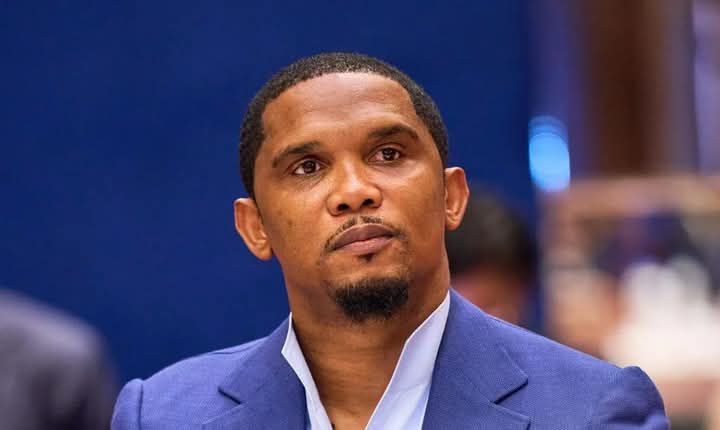
The leadership of Cameroonian football has entered a new chapter. In a recent general assembly, Samuel Eto’o was re-elected unopposed as head of the national football federation. The former star striker secured an overwhelming mandate. His re-election awaits mixed reactions — from strong support to continuing criticisms — yet it underscores his enduring influence in Cameroonian football.
Landslide victory confirms Samuel Eto’o re-elected as Cameroon football chief
At the Elective General Assembly held for the federation, Eto’o stood as the sole candidate. Delegates cast 87 ballots. He secured 85 votes — with two ballots invalidated. This crushing support marks a nearly unanimous endorsement. Observers noted that oversight was provided by continental and global football authorities to guarantee transparency.
Despite opposition from parts of the government, the assembly proceeded and confirmed the result. The outcome formalises Eto’o’s second four-year mandate at the helm of Cameroonian football.
A controversial first term: successes and setbacks under Eto’o
Eto’o’s first term as federation president was turbulent. Indeed, his tenure faced constant scrutiny. Critics cited institutional conflicts, allegations of mismanagement, and underperformance of national teams. The failure of the national squad to qualify for the 2026 World Cup created widespread dissatisfaction among fans and stakeholders.
Moreover, governance issues haunted his presidency. Shortly before his re-election, he had faced suspension and ethics investigations from international football bodies. Despite that, he maintained his seat and pursued reforms aimed at modernising the domestic football structure.
Supporters argue he made progress. They highlight efforts to strengthen youth pathways, improve oversight, and bring more professionalism into the domestic leagues. Further, his deep popularity as a former star still resonates across the country.
What the new mandate means: potential and challenges ahead
With his renewed mandate, Eto’o gets another four years to chart the future of football in Cameroon. He inherits both hopes and heavy expectations. First, there is pressure to deliver improved performance from national and club teams. Fans expect a return to competitiveness and success on international stages.
Second, Eto’o must address internal reforms. That includes better governance, transparency, and rebuilding trust among clubs, players, and supporters. He also needs to reconcile with critics who accuse him of favouritism or institutional weaknesses.
Third, he has the opportunity to leverage his reputation. As a celebrated former player, Eto’o can use his stature to attract talent development programmes, partnerships, and youth investments to rejuvenate Cameroonian football from the grassroots up.
Opposition voices: What critics demand
Not everyone welcomed the re-election. Some stakeholders — including clubs, fans and civil society groups — raised concerns. They argued that the absence of competing candidates weakened the democratic nature of the election.
Others pointed to unresolved issues from his first term: alleged financial mismanagement, sub-par national team performance, and insufficient transparency. Critics demand accountability, stronger oversight, and renewed engagement with all football stakeholders.
In addition, international observers flagged that the Ministry of Sports had initially opposed the timing and legality of the general assembly. Though the election was eventually validated, this tension underscores continuing governance challenges within the sport.
Why many still support him
Despite controversies, many remain optimistic. For a country seeking stability and revival in its football fortunes, Eto’o seems a safe bet. His personal track record, continental standing, and familiarity with international football governance offer hope for renewed success.
Supporters also argue that having a former global star at the federation’s helm could open doors for partnerships with top clubs, sponsors, and international bodies. This may translate into improved infrastructure, training programs, and exposure for young Cameroonian talents.
Moreover, his ability to navigate internal and external pressures — though contested — demonstrates political and administrative resilience. For many, his re-election represents continuity and a chance to build further on reforms already initiated.
Key tasks for his second mandate
If his leadership is to yield results, Eto’o must prioritise several core objectives:
- Strengthen internal governance and transparency in the federation.
- Improve performance of national teams to restore public confidence.
- Develop youth football programs and grassroots talent pipelines.
- Modernise domestic leagues and professional pathways.
- Foster collaborations with regional and international football bodies to boost resources and exposure.
Achieving these would help heal past wounds, unite stakeholders, and reinforce Cameroon’s football reputation at home and abroad.
Conclusion — A second term laden with promise and scrutiny
The fact that Samuel Eto’o was re-elected as Cameroon football chief signals a strong mandate. It could lead to renewed optimism among fans, players and administrators. However, the challenges remain significant. He must prove that his leadership can translate into real progress, on and off the pitch.
Ultimately, his second term could define a critical era for Cameroonian football. Success will depend on reforms, performance, and inclusivity. Failure could deepen divisions and dampen hopes. For now, all eyes are on how he balances legacy, ambition and accountability in the years ahead.