

Rwanda: Pioneering Clean City Living in Africa’s Heart
- Rwanda
OurDailyAfrica Reporter
- 0
- 11 minutes read
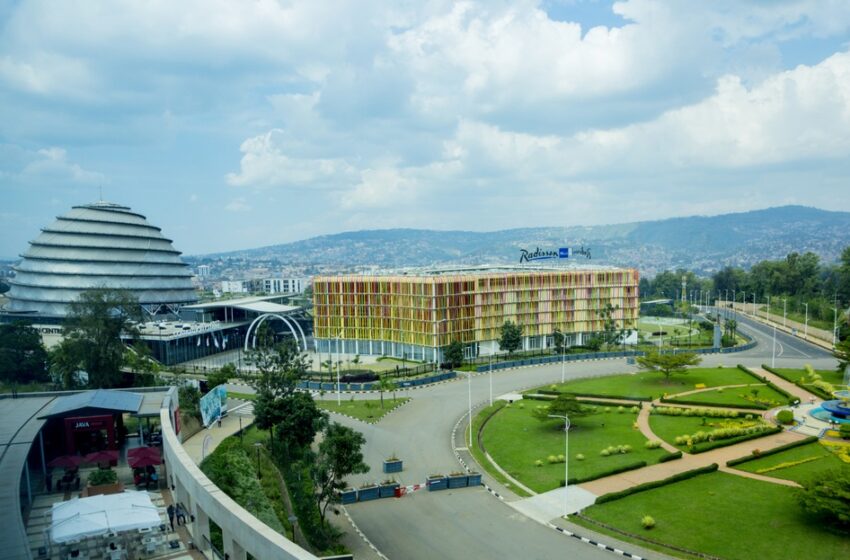
In the heart of Africa, Rwanda is steadily transforming its urban landscape, emerging as a beacon of clean city living on the continent. With a blend of innovative policies, community-driven initiatives, and a deep respect for the environment, this small but ambitious nation is redefining what it means to build sustainable cities in Africa. As other countries grapple with the challenges of rapid urbanization, Rwanda’s pioneering efforts offer a hopeful blueprint for cleaner, greener, and more livable urban spaces — a testament to how vision and determination can shape the future of city living.
Rwanda’s Vision for Sustainable Urban Development
At the heart of Rwanda’s urban transformation lies a commitment to environmentally conscious growth that harmonizes modern living with nature. The nation’s strategy is centered on leveraging smart technologies, green infrastructure, and inclusive planning to craft cities that are not only efficient but also resilient. From integrating renewable energy solutions in public transport systems to prioritizing pedestrian-friendly zones, Rwanda is steadily curbing pollution while enhancing the quality of life for its citizens. This vision aligns with a wider belief that urban expansion should serve the people, protect biodiversity, and sustain economic progress simultaneously.
Key pillars of this progressive urban approach include:
- Eco-friendly architecture: Emphasizing green building materials and energy-saving designs.
- Waste management innovation: Implementing recycling initiatives and waste-to-energy plants.
- Water conservation: Employing rainwater harvesting and efficient irrigation systems.
Such measures are supported by strong policy frameworks and community engagement, ensuring that development is both regenerative and socially equitable. Rwanda’s cities serve as dynamic testaments to how African nations can redefine urban living for the better, inspiring a future where growth and sustainability walk hand in hand.
| Urban Focus Area | Key Initiative | Impact |
|---|---|---|
| Renewable Energy | Solar-powered street lighting | Reduced carbon emissions |
| Green Spaces | Urban afforestation programs | Improved air quality |
| Public Transport | Electric bus fleet deployment | Lower traffic congestion |
Innovative Clean Energy Solutions Powering Cities
Rwanda’s strides in energy innovation are redefining urban life with sustainability at the core. The integration of solar mini-grids into city infrastructure has provided reliable, off-grid energy that lowers carbon footprints and enhances energy accessibility. Public transport is also undergoing a revolution, with fleets of electric buses replacing diesel counterparts, slashing emissions and offering residents cleaner air. Meanwhile, eco-friendly buildings equipped with smart energy management systems maximize efficiency, reflecting Rwanda’s commitment to technology-driven environmental stewardship.
Among the notable innovations, rooftop solar panel installations have surged across Kigali, setting a new urban standard. The government’s emphasis on community-based projects empowers neighborhoods to co-own green energy initiatives, fostering local investment and raising awareness of environmental impacts. Below is a snapshot of Rwanda’s latest clean energy projects accelerating urban transformation:
| Project | Technology | Impact | Status |
|---|---|---|---|
| Solar City Roofs | Residential Solar Panels | 40% reduction in household energy bills | Operational |
| Eco-Transit Kigali | Electric Bus Fleet | Cut CO2 emissions by 25% | Expanding |
| Smart Grid Hubs | Automated Energy Distribution | Energy loss minimized by 15% | Pilot phase |
- Enhanced energy equity: More households are gaining access to clean power sources.
- Resilient infrastructure: City grids withstand environmental challenges with smart tech integration.
- Community engagement: Residents actively participate in energy conservation and management.
Community-Driven Waste Management and Recycling Initiatives
Across Rwanda, communities are igniting a powerful transformation, turning waste into opportunity through grassroots action. Local groups are uniting neighbors, schools, and businesses to champion sustainability by organizing regular clean-up days, establishing neighborhood compost hubs, and running awareness campaigns that highlight the value of recycling. In these efforts, innovation meets collective spirit—people are crafting inventive methods to reuse materials, reduce landfill pressure, and inject new life into discarded items. By placing ownership of waste management into the hands of citizens, these initiatives foster not only environmental responsibility but social cohesion, creating cleaner, greener, and more vibrant neighborhoods.
Success stories emerge from varied sectors, proving that community-driven approaches are pivotal in shaping Rwanda’s cleaner future. The collaboration spans:
- Youth Eco-Clubs: Engaging students in practical recycling projects and eco-education
- Market Waste Collectors: Coordinating organic and plastic waste segregation at source
- Local Artisans: Transforming recycled materials into marketable crafts and building materials
- Municipal Partnerships: Providing resources and training to enhance grassroots efforts
Together, these stakeholders demonstrate how a united community approach not only cleans physical spaces but cultivates a culture of sustainability that is inspiring cities across Africa.
Recommendations for Scaling Rwanda’s Clean Urban Model Across Africa
To replicate Rwanda’s exemplary approach in other African cities, a multi-faceted strategy is essential. Urban centers must prioritize robust waste management infrastructures paired with community empowerment programs that encourage civic participation. Integrating innovative technologies like smart waste tracking and renewable energy-powered sanitation plants can accelerate transformation. Moreover, fostering partnerships between local governments, private enterprises, and international organizations will ensure sustainable funding and knowledge exchange. Policymakers should adopt adaptive frameworks that consider each city’s unique socioeconomic context while promoting regional collaboration to share best practices.
Capacity building remains a cornerstone for scaling success, necessitating targeted investments in education and vocational training related to urban sustainability. Equally important is embedding environmental consciousness into school curriculums to nurture future generations of clean city advocates. Below is a simple model for gradual implementation of Rwanda’s clean urban blueprint across diverse African cities:
| Phase | Key Actions | Expected Outcome |
|---|---|---|
| Pilot |
|
Engaged stakeholders with trusted practices |
| Scale-Up |
|
Broader coverage with efficient services |
| Sustain |
|
Long-term urban cleanliness and resilience |
Wrapping Up
As Rwanda continues to chart a bold course toward sustainable urban living, its commitment to cleanliness and environmental stewardship stands as a beacon for cities across Africa. By embracing innovative policies and fostering community participation, Rwanda is not only transforming its urban landscape but also redefining what it means to live harmoniously within nature’s embrace. In the heart of the continent, this pioneering spirit offers a compelling vision of clean, green cities—where progress and preservation walk hand in hand, inspiring a future that is as vibrant as it is sustainable.