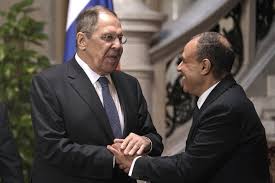

Russian and Egyptian Foreign Ministers Hold Talks in Moscow to Strengthen Strategic Ties
- Egypt News
OurDailyAfrica Reporter
- 0
- 9 minutes read
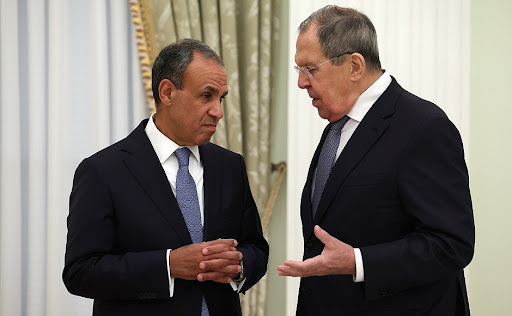
Diplomatic relations between Russia and Egypt took centre stage as their foreign ministers met in Moscow for high-level talks aimed at strengthening cooperation across multiple sectors. The meeting reflects a deepening partnership between the two nations, particularly at a time of shifting global alliances and geopolitical uncertainty.
Sergey Lavrov welcomed his Egyptian counterpart, Sameh Shoukry, as both sides engaged in discussions covering political coordination, economic collaboration, and regional security concerns. The talks highlighted the importance of sustained dialogue between the two countries as they navigate evolving international dynamics.
Russian and Egyptian Foreign Ministers Hold Talks in Moscow
The Russian and Egyptian foreign ministers hold talks in Moscow engagement underscores a shared commitment to reinforcing bilateral relations. Both ministers emphasized the need to expand cooperation in key areas, including trade, energy, and infrastructure development.
As global tensions continue to influence international relations, partnerships like this provide opportunities for countries to strengthen their strategic positions. Therefore, the meeting in Moscow reflects a proactive approach to diplomacy.
In addition, both nations expressed interest in maintaining open channels of communication to address emerging challenges and opportunities.
Strengthening Economic Cooperation
Economic collaboration formed a central part of the discussions. Russia and Egypt have maintained growing trade relations over the years, with both countries exploring new areas of investment.
Agriculture, energy, and industrial development remain key sectors of interest. For example, Russia continues to be a major supplier of wheat to Egypt, supporting the country’s food security.
At the same time, Egypt offers strategic advantages as a gateway to African and Middle Eastern markets. Consequently, both countries see opportunities to expand trade and investment.
Focus on Energy and Infrastructure
Energy cooperation also featured prominently during the talks. Both nations recognize the importance of energy security and sustainable development.
Russia’s expertise in energy production and technology complements Egypt’s ambitions to expand its energy infrastructure. Therefore, collaboration in this sector could lead to significant projects and investments.
Infrastructure development, including transportation and industrial zones, also presents opportunities for partnership. These initiatives can support economic growth and regional connectivity.
Addressing Regional Security Issues
The Russian and Egyptian foreign ministers hold talks in Moscow meeting also addressed key regional security concerns. Both countries have a vested interest in stability across the Middle East and North Africa.
Issues such as ongoing conflicts, counterterrorism efforts, and political stability were part of the discussions. Therefore, cooperation in security matters remains a priority.
Egypt plays a significant role in regional diplomacy, while Russia maintains influence in several conflict zones. As a result, their collaboration can contribute to broader efforts aimed at resolving tensions.
Global Geopolitical Context
The meeting takes place against a backdrop of shifting global alliances and increasing geopolitical competition. Countries are actively seeking partnerships that align with their strategic interests.
For Russia, strengthening ties with African nations supports its broader foreign policy objectives. Meanwhile, Egypt continues to balance its relationships with multiple global powers.
Therefore, the talks in Moscow reflect a pragmatic approach to international relations, where cooperation serves mutual interests.
Diplomatic Engagement and Multilateral Cooperation
Both ministers highlighted the importance of multilateral cooperation in addressing global challenges. International organizations and forums provide platforms for dialogue and coordination.
By working together, countries can tackle issues such as economic instability, security threats, and climate change. Consequently, diplomatic engagement remains essential.
The Russian and Egyptian foreign ministers hold talks in Moscow initiative reinforces the value of sustained dialogue in achieving shared goals.
Opportunities for Future Collaboration
The meeting opened the door for future collaboration in various sectors. Both countries expressed interest in expanding partnerships and exploring new areas of cooperation.
Technology, education, and cultural exchange could further strengthen bilateral relations. In addition, increased engagement between businesses and institutions can drive innovation and growth.
Therefore, the talks represent not only current cooperation but also future potential.
Challenges and Considerations
Despite the positive outlook, challenges remain. Global economic uncertainties and political complexities can influence the effectiveness of partnerships.
Both countries must navigate these challenges while maintaining their strategic objectives. Therefore, careful planning and consistent communication are essential.
Looking Ahead
The Russian and Egyptian foreign ministers hold talks in Moscow meeting marks an important step in strengthening bilateral relations. As both nations continue to engage, their partnership may evolve to address emerging global and regional issues.
Future meetings and agreements will likely build on the foundation established during these discussions. Consequently, the relationship between Russia and Egypt is expected to remain significant in international diplomacy.
Conclusion
The high-level talks between Sergey Lavrov and Sameh Shoukry highlight the importance of strategic partnerships in today’s complex global landscape. By focusing on economic cooperation, energy development, and regional security, both countries aim to strengthen their ties and enhance their influence.
Ultimately, the meeting in Moscow reflects a broader trend of countries seeking collaboration to navigate uncertainty and achieve shared goals. As global dynamics continue to evolve, such diplomatic engagements will play a crucial role in shaping the future of international relations.