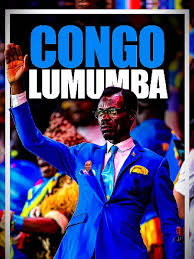

Patrice Lumumba: The Voice They Tried to Silence
- Dr congo
OurDailyAfrica Reporter
- 0
- 12 minutes read
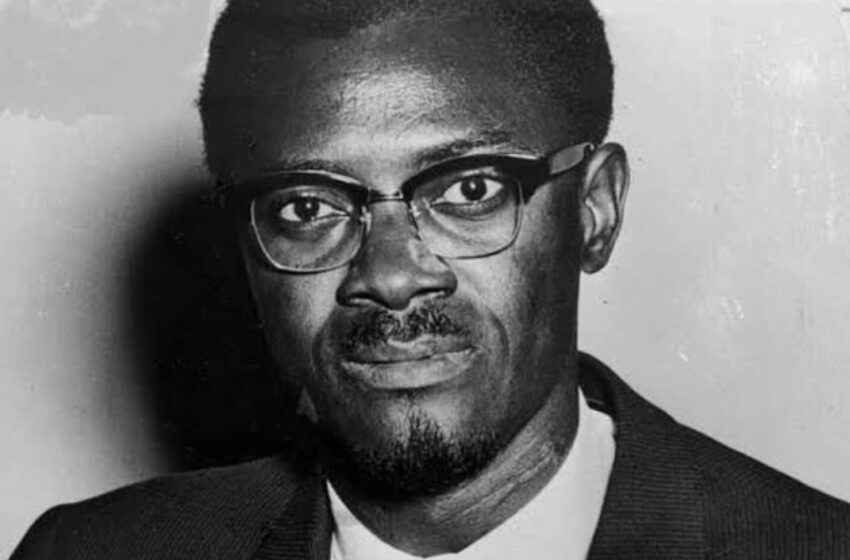
The Patrice Lumumba assassination remains one of the darkest and most consequential events in African history. On 17 January 1961, Africa lost one of its boldest voices when Patrice Émery Lumumba, alongside Maurice Mpolo and Joseph Okito, was brutally murdered.
Their crime was not corruption, incompetence, or violence.
Their crime was believing that Africa belonged to Africans—and refusing to apologize for it.
More than six decades later, the killing of Lumumba continues to symbolize the price African leaders pay when they challenge imperial control, foreign exploitation, and global power structures.
Patrice Lumumba and the Colonial Congo
Patrice Lumumba was born on 2 July 1925 in the Belgian Congo, a territory ruled under one of the most violent colonial systems of the twentieth century. Belgium did not govern the Congo as a nation. Instead, it operated it as a private enterprise built on extraction, forced labor, and terror.
Millions of Congolese suffered under a regime that prioritized rubber, minerals, and profit over human life. Entire communities were destroyed to maintain production quotas. Violence was normalized, and dignity was stripped away.
Lumumba grew up witnessing these injustices firsthand.
Unlike many colonial-era elites trained to protect European interests, Lumumba was largely self-educated. He read widely, questioned authority, and developed a political consciousness rooted in justice and equality. His intelligence and eloquence made colonial administrators uneasy.
Most importantly, Lumumba spoke directly to ordinary Congolese people. He did not sanitize their suffering or dilute their demands. His words resonated because they reflected lived reality.
Independence Without Freedom
On 30 June 1960, the Congo officially gained independence from Belgium. The ceremony was meant to mark a peaceful transition. However, it quickly exposed deep contradictions.
During the event, King Baudouin of Belgium praised colonial rule as a “civilizing mission.” His speech ignored decades of exploitation, brutality, and repression.
As Prime Minister, Lumumba refused to remain silent.
Breaking diplomatic protocol, he delivered a speech that would define his legacy and seal his fate. He spoke openly about:
- Forced labor and economic exploitation
- Physical abuse and humiliation
- Land theft and the destruction of African dignity
The speech shocked Western observers. It was not designed to flatter former colonizers. It was meant to restore truth to history.
From that moment onward, Lumumba became a threat.
Why the Patrice Lumumba Assassination Was Planned
The Patrice Lumumba assassination did not occur by accident. It was the result of calculated decisions made within a Cold War framework that punished African independence.
Lumumba believed Congo’s immense natural wealth—copper, cobalt, diamonds, uranium, and gold—should benefit Congolese citizens. This position directly threatened foreign corporations and Western governments that had long profited from Congolese resources.
In the eyes of the West, Lumumba was “unpredictable.” His refusal to submit to foreign control made him dangerous.
Declassified documents later revealed that Belgium and the United States actively discussed removing Lumumba from power. His assassination was not spontaneous. It was facilitated.
Destabilization and Betrayal
Once Lumumba took office, the young Congolese state was deliberately destabilized.
The army mutinied. Political rivals were encouraged. The mineral-rich province of Katanga declared secession with Belgian backing, aiming to retain control over its wealth.
International institutions failed Lumumba. United Nations forces refused to help him suppress the rebellion, leaving him isolated.
Eventually, Lumumba was arrested by Congolese rivals acting with foreign approval. He was transferred to Katanga—into the hands of his enemies.
His fate was sealed.
The Murder of Patrice Lumumba
On 17 January 1961, Patrice Lumumba, Maurice Mpolo, and Joseph Okito were executed by a firing squad in Katanga.
Belgian officers supervised the execution. Western intelligence agencies were aware of what was happening and did nothing to stop it.
After the killings, their bodies were dismembered and dissolved in acid. This was not just murder—it was symbolic erasure. The goal was to remove Lumumba from history itself.
But ideas are harder to destroy than bodies.
The Enduring Legacy of Patrice Lumumba
Although Lumumba governed for only a few months, his influence continues to shape African political thought.
The Patrice Lumumba assassination exposed a harsh reality:
- Political independence without economic control is meaningless
- African neutrality is punished when it disrupts global power
- Speaking truth threatens systems built on exploitation
Lumumba’s fate was not unique. Leaders such as Kwame Nkrumah, Thomas Sankara, and Amílcar Cabral faced coups, assassinations, or exile for prioritizing African sovereignty over foreign interests.
Lumumba became a symbol of resistance—not because he was perfect, but because he refused to kneel.
Why Patrice Lumumba Still Matters Today
Patrice Lumumba is not just a historical figure.
He is a mirror reflecting modern Africa.
His life and death force urgent questions:
- Who controls Africa’s natural wealth today?
- Who decides which African leaders are acceptable?
- Why is foreign interference often ignored while African nations are blamed for instability?
The Patrice Lumumba assassination was meant to silence a voice. Instead, it amplified a warning that still echoes across the continent.
They killed Patrice Lumumba the man.
But they failed to kill Patrice Lumumba the idea.
As long as Africa continues to question injustice, resist exploitation, and demand control over its future, that idea remains alive.