

Nigerian Woman Preserves 40 Years of Naira Notes as Living History
- News Nigeria
OurDailyAfrica Reporter
- 0
- 11 minutes read
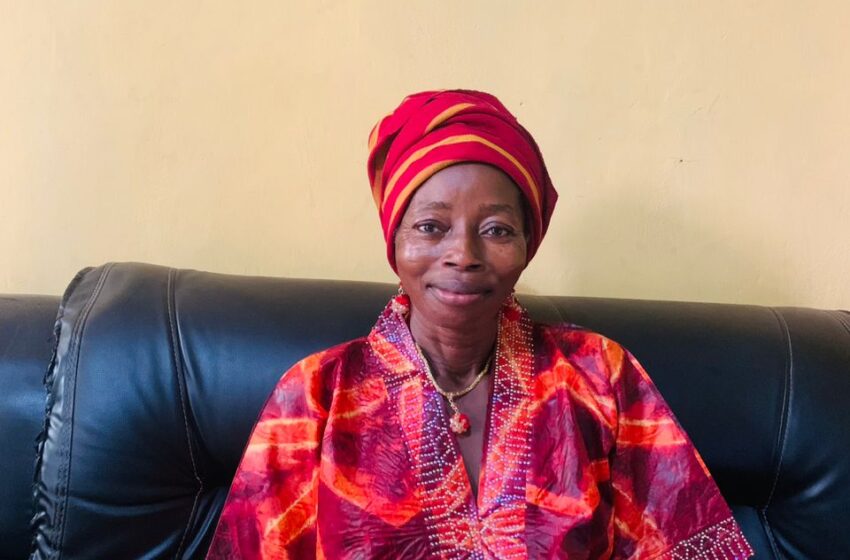
In a quiet home in Ogbomosho, Oyo State, Nigeria, a remarkable personal collection quietly tells the story of a nation’s economic past.
For more than four decades, Mrs. Janet Adekemi Alagbe has carefully preserved Nigerian currency — both coins and paper notes — that passed through her hands between 1976 and 2026. What began as a simple habit of saving has gradually transformed into a living archive of Nigeria’s financial and social history.
Today, her modest collection reflects the changing value of the naira and offers a rare glimpse into how everyday life in Nigeria has evolved over time.
A Collection That Tells a Nation’s Story
Spread across a table in her living room are old kobo coins and faded naira notes. Each piece represents a different era in Nigeria’s economic journey.
Together, they illustrate a powerful contrast between the past and present — from a time when small denominations could provide full meals to a period when the same amount holds little purchasing power.
“These notes represent the changes Nigeria has gone through,” Mrs. Alagbe explains.
“They show how much value our money once had before inflation changed everything.”
Her collection includes early kobo coins, older paper notes, and newer high-denomination naira currencies. Each item tells a story not only of currency design but also of economic transformation.
She recalls how even the smallest amount of money once stretched far.
“I used to be given 50 kobo to take to school,” she says with a smile. “With that money, I could buy porridge from my favourite food seller, buy snacks I enjoyed, and still save something.”
It was those early experiences that inspired her to keep the notes.
“I decided to save them because I knew they would one day become history,” she adds.
A Life Shaped by Saving
Mrs. Alagbe traces her discipline of saving back to her youth. At a young age, she left home to live with her aunt in Lokoja, where she helped run a small food business.
Life was not always easy, but the experience taught her lessons that shaped her future.
“My youth was not easy,” she recalls. “But that was where I learned the power of saving.”
Through daily work and careful management of small amounts of money, she discovered the importance of financial discipline.
“I realised that in saving, you have the power to redefine tomorrow,” she says.
From that point forward, whenever she received a new coin or note, she kept at least one aside. She did not save them for spending but for remembrance.
Over time, the habit turned into a growing collection.
Without planning it, she began preserving pieces of Nigeria’s monetary history.
Defying Currency Exchange Orders
Nigeria has redesigned its currency several times over the years. During each redesign, citizens were encouraged to return old notes to banks and exchange them for new ones.
Mrs. Alagbe followed the official instructions. However, she quietly kept a few samples from each period.
Her decision was driven by a desire to preserve history.
“The desire to show these notes to the younger generation made me keep some aside,” she explains.
“I wanted them to see how our money has changed.”
As new designs replaced old ones, her collection expanded into a timeline of Nigeria’s financial evolution.
Each preserved note became a marker of a different era.
Preserving the Past Without Modern Tools
Unlike professional collectors, Mrs. Alagbe had no access to special preservation materials or archival storage.
Instead, she relied on simple methods to protect her collection.
“I started by keeping them in my shoe rack,” she says with a gentle laugh.
She took special care to protect the coins from damage.
“I wrapped the coins with cotton wool so they would not rust,” she explains.
The paper notes received equal attention.
“I kept the naira notes inside my purse. Whenever the purse became worn out, I transferred them into another one.”
She made sure to store the purses in safe places away from moisture and damage.
Despite the lack of professional equipment, her careful methods allowed many of the notes to survive in good condition.
Her dedication demonstrates that preservation does not always require expensive tools — sometimes it only requires patience and commitment.
When Money Becomes Memory
Today, most of the notes and coins in Mrs. Alagbe’s collection no longer hold financial value. Many are no longer in circulation, and some cannot be exchanged in banks.
Yet their true value lies elsewhere.
“What once could buy meals can now buy almost nothing,” she reflects.
“The notes lost their financial worth, but they gained historical meaning.”
Her collection has become more than a set of old currencies. It now serves as a record of Nigeria’s economic transformation and a reminder of how inflation has reshaped everyday life.
Through these preserved notes, younger Nigerians can see how dramatically the value of money has changed.
Teaching the Next Generation
Mrs. Alagbe hopes her collection will serve as an educational tool for future generations.
She believes that understanding the past can help young people make wiser financial decisions.
“These notes are proof that time changes everything,” she says.
“They remind us of where we came from and how far we have gone.”
For her, the collection represents more than history. It also represents resilience, discipline, and hope.
Each coin and note tells a story — not only of Nigeria’s economy but also of a woman who believed in the power of saving.
A Personal Archive of National History
What began as a simple habit has become a unique personal archive of Nigeria’s monetary past.
Without formal training or resources, Mrs. Alagbe preserved a collection that reflects fifty years of economic change.
Her quiet effort demonstrates how ordinary citizens can preserve extraordinary history.
Inside a modest home in Ogbomosho, decades of Nigeria’s financial story remain carefully protected — not in a museum, but in the hands of someone who understood that today’s money could become tomorrow’s history.