
Nigeria Reopens 47 Unity Schools After Security Beef Up
- News Nigeria
OurDailyAfrica Reporter
- 0
- 10 minutes read
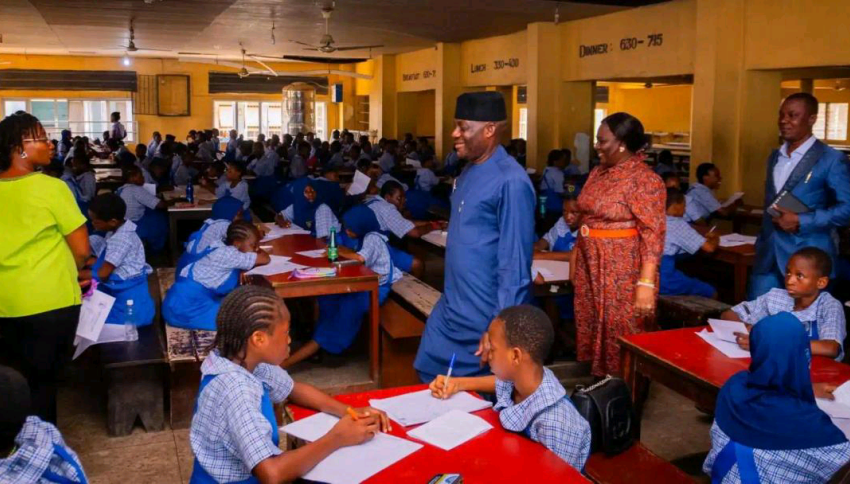
Nigeria reopens 47 unity schools after security beef up, marking a major step toward restoring educational operations that were suspended amid rising violence and kidnappings across parts of the country. After weeks of closures, the Federal Government has ordered all 47 affected Unity Schools to resume academic activities following strengthened security measures. This decision is meant to safeguard students, reassure parents, and reinforce the state’s commitment to unhindered access to quality education.
The re-opening arrives after a period of heightened insecurity that disrupted learning and instilled fear in families. Parents, educators, and students had called for decisive action to protect schools. In responding, the government emphasized that safe schooling is fundamental to national prosperity and human capital development. As learning resumes, authorities affirm that they will continue to work closely with security agencies to keep school environments safe.
Why Nigeria Reopens 47 Unity Schools After Security Beef Up
The context behind why Nigeria reopens 47 unity schools after security beef up stems from persistent threats posed by armed groups in several regions. In some northern states, violent attacks, road ambushes, and mass kidnappings of pupils and teachers triggered alarm. These incidents forced the government to take unprecedented action to close down some of its most important educational institutions temporarily.
Although closing schools is rarely desired, ensuring the safety of children is a top priority. In reopening the Unity Schools, Nigerian authorities are signaling that security enhancements now make it safe for students to return. This commitment reflects a broader determination to protect children from violent disruptions and maintain progress in learning.
Strengthening Security at Unity Schools Nationwide
The Federal Government undertook several measures before Nigeria reopened 47 unity schools after security beef up. First, security forces were deployed to campuses previously affected by violence. These forces work alongside school administrators to monitor suspicious activity, enforce protective protocols, and maintain orderly environments.
Secondly, perimeter defenses around campuses were reinforced. Checkpoints were set up at strategic access points to verify identities, while patrols increased around host communities. Security personnel also engaged with local residents to gather intelligence and build trust.
In addition, federal authorities partnered with state governments to coordinate responses. This helped streamline information sharing and ensured that security measures were comprehensive rather than fragmented.
With these steps in place, safer conditions now allow students to return and complete the academic calendar without further disruption.
Students Return and Academic Activities Resume
Following the reopening, students have gradually returned to their campuses. Across the 47 Unity Schools, learners are either finalizing their December programmes or wrapping up examinations. The Ministry of Education has assured that schools are ready to support students’ academic needs while maintaining safety.
For many pupils, the return to classrooms brings relief and a sense of normalcy. Teachers have also expressed optimism about resuming lessons and reconnecting with their students. School leaders emphasize that the resumption of studies is both a relief and a renewed commitment to learning despite past challenges.
This return to routine reflects resilience among families and educators who endured weeks of uncertainty.
Reassuring Parents and Guardians
As Nigeria reopens 47 unity schools after security beef up, the government has taken care to reassure parents and guardians about the safety of their children. Officials stress that the strengthened security architecture is designed to prevent threats from infiltrating campuses.
To this end, the Federal Ministry of Education has repeatedly communicated with community leaders, parents’ associations, and local authorities to ensure that families feel confident about their children’s wellbeing. These engagements also serve to educate communities about security protocols and emergency response plans.
Parents have responded with cautious optimism. While some remain watchful due to recent events, many have expressed relief that learning is resuming. They also applaud government efforts to protect students and prevent further harm.
Government Commitment to Education and Safety
The reopening reinforces the government’s commitment to two key priorities: education and safety. Officials emphasise that no child should be denied access to education because of insecurity. For this reason, the return to academic activities was ordered only after credible improvements to the security situation.
Ministry leadership also highlighted the link between education and long-term development. By reopening schools, the government signals that learning and national growth must continue even amid security challenges.
Moreover, authorities pledged ongoing collaboration with security agencies. This partnership aims to sustain stability and prevent future disruptions that could derail students’ academic progress.
Unity Schools as Pillars of National Development
Unity Schools hold a special place in Nigeria’s education system. Their purpose is to foster unity by bringing together students from diverse cultural and regional backgrounds. These schools have long been admired for promoting integration, national identity, and intellectual excellence.
When insecurity led to their temporary closure, it not only disrupted education but also shook the symbolic confidence in Nigeria’s ability to protect its institutions. Therefore, reopening the Unity Schools carries both practical and symbolic significance. It conveys that learning remains a national priority and that Nigerian society will not be subdued by threats targeting its young citizens.
Security Challenges and the Path Ahead
Despite the reopening, challenges remain. The broader security situation in parts of the North and other regions continues to test government efforts to protect civilians. Kidnapping of students and school communities has been a recurring problem that requires sustained attention.
Security agencies have vowed to maintain heightened vigilance even after Nigeria reopened 47 unity schools after security beef up. Intelligence gathering, community cooperation, and rapid response mechanisms remain critical to long-term safety strategies.
Additionally, education officials are exploring ways to further safeguard learning spaces. This includes ongoing risk assessments, teacher training on safety protocols, and increased engagement with local security committees.
Voices from Schools and Communities
Students returning to class have shared mixed reactions. Some describe relief and excitement at being back with friends and teachers. Others acknowledge ongoing concerns about safety but affirm their determination to complete the school term.
Educators, meanwhile, emphasise the importance of resilience in the face of adversity. They encourage students to focus on learning and make the most of the academic opportunities restored through government action.
Community leaders have applauded the security enhancements and encouraged families to work with authorities to maintain peaceful environments around schools.
Conclusion
In conclusion, Nigeria reopens 47 unity schools after security beef up represents a significant milestone in the country’s efforts to protect education amid security challenges. The government’s actions demonstrate a commitment to student welfare, continuity of learning, and long-term national development.
Stronger security measures, collaborative approaches with local communities, and the return of students to classrooms collectively contribute to a hopeful outlook for Nigeria’s educational sector. Looking ahead, authorities vow to sustain stability and uphold every child’s right to learn in a safe environment.