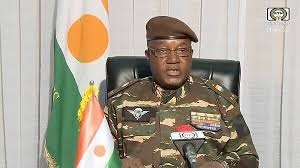

Niger Leader Says France, Benin and Ivory Coast Behind Airport Attack
- Niger
OurDailyAfrica Reporter
- 0
- 12 minutes read
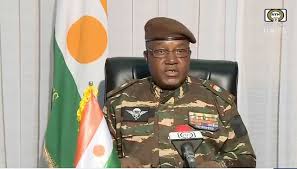
Niger leader says France, Benin and Ivory Coast were behind the airport attack in Niamey
Niger leader says France, Benin and Ivory Coast were behind the recent attack on a strategic airport in the capital city, Niamey. The head of the country’s military government made the accusation following an overnight assault that triggered heavy gunfire, explosions and a swift military response. The government’s claims, made without presenting clear evidence, have intensified diplomatic tensions and raised fresh questions about security in West Africa’s Sahel region.
The attack targeted a major defence and aviation hub near the city’s main airport. Although security forces repelled the attackers and restored calm, the government’s assertions against foreign governments have captured headlines and sparked reactions across the region and beyond. In the aftermath, the focus has shifted to security strategies, regional diplomacy and how Niger will navigate the fallout of both the assault and its controversial claims.
Details of the Airport Attack and Immediate Aftermath
Late one night, an armed group launched a coordinated assault on a key airport facility in Niamey. The attack involved intense gunfire and explosions that lasted for over an hour. Security forces, supported by specialised units, managed to repel the attackers and secure the site. Several attackers were killed and others captured as the military swept through the targeted zones.
Niger’s authorities also reported damage to airport infrastructure and an aircraft parked on the tarmac. Despite this, officials said no civilians were seriously injured, as the attack occurred outside of peak operational hours. Armed forces quickly restored order, and heightened security was maintained around the airport perimeter for days after the incident.
Soldiers and security officials described the operation as serious and well-organised, reflecting ongoing threats from armed groups in the region. However, far from only focusing on internal security, Niger’s leadership made an unexpected and serious diplomatic claim about who was behind the attack.
Accusations by Niger’s Leadership
In an address to the nation soon after the attack, Niger’s military leader publicly accused the presidents of France, Benin and Ivory Coast of sponsoring or supporting the armed group responsible for the assault. The leader did not provide evidence to back up these allegations. Despite this, the language used was strong, with calls suggesting that those accused should “be prepared to hear us roar” in response.
The names mentioned by the Nigerien leader included:
- The President of France
- The President of Benin
- The President of Ivory Coast
These accusations reflect deepening diplomatic strains. Niger’s government has often criticised former colonial powers and neighbouring states it perceives as aligned with Western interests. These tensions have grown since the 2023 military coup that brought the current leadership to power.
Security analysts stress that the claims sent ripples through diplomatic channels, as accusing sovereign governments of involvement in violent acts significantly escalates political friction. Some observers say such rhetoric may serve domestic political purposes or aim to shift attention from internal security challenges.
Reactions from France, Benin and Ivory Coast
Officials from Benin and Ivory Coast quickly dismissed Niger’s accusations. Representatives from these governments called the claims “not credible” and stressed that they would not be distracted from their national priorities by such allegations. Both countries reiterated their commitment to regional cooperation and expressed confidence in diplomatic engagement to resolve misunderstandings.
France has not issued an immediate detailed response to the allegations, yet officials from the French presidency and foreign ministry have historically emphasised respect for sovereignty and support for stability in West Africa. France’s relationship with Niger has been tense since the latter’s military takeover, during which time Niger severed longstanding security ties with Western partners and sought alternative alliances.
Though governments in Benin and Ivory Coast responded quickly, international observers noted that the lack of clear evidence accompanying Niger’s accusations lessened their credibility in diplomatic circles. Nonetheless, the allegations have contributed to a more complicated political environment in the Sahel.
Security Context in Niger and the Sahel
The assault on the airport occurred against a backdrop of persistent insecurity in Niger and neighbouring countries. For years, jihadist and armed groups linked to extremist networks have carried out attacks across the Sahel region. These groups exploit porous borders, local grievances and weak state presence in remote areas.
In recent months, extremist violence has surged in several parts of Niger, particularly near border regions where armed factions operate with significant freedom. Military coups in Mali, Burkina Faso and Niger have disrupted regional security cooperation and, in some cases, eased the influence of armed groups.
The Nigerien government has repeatedly said it faces complex threats that require robust responses. Officials cited the airport attack as evidence of the level of sophistication and coordination that militant groups may possess. Analysts, however, point out that extremist organisations in the region, such as those linked to the Islamic State group, have indeed claimed responsibility for similar assaults in other Sahel capitals. Some evidence suggests that groups of this nature could have played a role in the Niamey attack.
The airport targeted in the assault also hosts critical military installations and serves as a strategic logistics hub for defence operations. It remains a symbol of both national sovereignty and international collaboration, making it a high-profile target for terrorism.
Strategic and Diplomatic Implications of the Accusations
Niger’s claims against France, Benin and Ivory Coast have diplomatic and strategic implications. First, they highlight the volatile relationship between the Nigerien government and Western powers, especially since Niger shifted alliances away from former partners and towards new supporters, including Russia.
Since the 2023 coup, Niger’s leadership has expelled Western military forces from its territory and has sought security cooperation with alternative partners. This realignment affects not only defence strategies but also diplomatic relationships with neighbouring countries and international organisations.
Accusing sovereign states of backing violent attackers without evidence also complicates ongoing diplomatic efforts to enhance stability in the region. Such statements can strain dialogue channels and erode trust, making coordinated security operations against extremist groups more difficult.
Moreover, relations with regional blocs and economic communities could be affected if neighbouring states perceive Niger’s actions as reckless or unfounded. Diplomatic engagement remains critical in a region where cooperation is essential to combat transnational threats.
Human and Social Impact of the Attack
Beyond geopolitics, the attack had tangible effects on local communities and infrastructure. Although there were no confirmed civilian casualties, the psychological impact of sudden explosions and gunfire in the capital city was real. Many residents reported hearing blasts and seeing heightened military presence as security forces secured the area.
In the days following the attack, local businesses and residents expressed concern over both safety and the political fallout. People called for stronger protective measures and more transparent communication about how authorities plan to prevent similar incidents in the future.
The event also highlighted the strategic importance of key civilian infrastructure in a national security context. Airports, highways and transportation hubs play a dual role: they support everyday life and serve as potential targets in broader conflicts.
The Way Forward: Security, Diplomacy and Accountability
In the wake of the attack and its controversial aftermath, Niger faces a complex path forward. Strengthening internal security, restoring confidence among citizens, and engaging with regional partners are all critical tasks. The government has vowed to pursue accountability for those responsible, but balancing this with international diplomacy will require careful strategy.
Regional organisations and international actors have called for calm and cooperation in addressing security threats. Many see constructive dialogue and joint operations as essential to reducing extremist influence and preventing future attacks.
For now, Niger continues to grapple with insecurity at home while managing diplomatic tensions abroad. How these forces interact will shape not only immediate responses to incidents like the airport attack but also the broader trajectory of peace and governance in the Sahel.
Conclusion
Niger leader says France, Benin and Ivory Coast were behind a major airport attack, but the allegations remain unverified and have drawn swift denials. The assault itself emphasised persistent security challenges facing Niger and the broader Sahel region. With tensions high and diplomatic relations strained, the country must balance efforts to strengthen security with responsible international engagement. As authorities pursue answers and accountability, the region’s future stability remains uncertain.