
Nairobi hosts urgent UN talks on planet in crisis
- Kenya News
OurDailyAfrica Reporter
- 0
- 9 minutes read
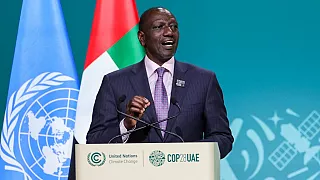
Nairobi has become the focal point of global climate diplomacy this week as United Nations member states, scientists, business leaders and civil society representatives meet in an emergency summit to confront mounting planetary crises. With multiple environmental emergencies unfolding simultaneously, the talks aim to forge stronger cooperation, accelerate action on climate change, and mobilize resources for a resilient future.
The event underscores the urgency felt worldwide; rising temperatures, unpredictable weather patterns and profound ecological loss have left policymakers racing to respond before impacts become irreversible.
A critical moment for global cooperation
The talks bring together delegations from across the globe, including government ministers, heads of international organizations and climate experts. They convene against a backdrop of accelerating climate events — from severe droughts and wildfires to devastating floods and melting ice sheets — that demonstrate the growing threat to human societies and natural systems.
Speakers at the opening session emphasized the interconnected nature of today’s challenges. Climate change, biodiversity loss and pollution are not isolated problems but components of a planetary emergency that requires unified, integrated action at local, national and global levels.
Key agenda priorities
Officials outlined several core themes for discussion during the Nairobi meetings:
Climate adaptation and mitigation
Delegates stressed the need for both cutting greenhouse gas emissions and helping vulnerable countries adapt to unavoidable changes. While reducing emissions remains essential to limit global warming, adaptation strategies are crucial to protect communities already facing food insecurity, water scarcity and displacement due to environmental disruptions.
Biodiversity and ecosystem protection
Whether forests, oceans or grasslands, ecosystems are under intense pressure. Loss of biodiversity undermines food systems, economic stability and natural defenses against climate extremes. Participants called for stronger commitments to conserve ecosystems, restore degraded landscapes and protect endangered species.
Sustainable finance and investment
Transformative action requires funding. Speakers emphasized that wealthy nations and private capital must scale up and deliver on climate finance commitments. Funds are needed for renewable energy deployment, adaptation infrastructure and support for communities on the front lines of climate impacts.
Equity and social justice
A recurring theme was climate equity — ensuring that policies account for disproportionate impacts on vulnerable populations and developing countries. Speakers urged that solutions should be fair and inclusive, addressing historical responsibilities while enabling future opportunities for all nations.
Voices from the front lines
Representatives from climate-affected regions brought personal testimony into the discussions. Farmers spoke of lost harvests due to erratic rains. Coastal communities described sea-level rise swallowing shorelines. Indigenous leaders emphasized the value of traditional ecological knowledge and the need to protect cultural heritage alongside natural resources.
Their accounts underscored a growing reality: climate change is not a future threat but a present crisis that demands immediate action.
Science and innovation on the agenda
Scientific panels highlighted recent findings showing that global warming continues to exceed targets set under international agreements. Accelerated rates of warming increase the likelihood of extreme weather events and make the goal of limiting warming to well below two degrees Celsius even more challenging.
Innovations in clean energy, climate-smart agriculture and carbon capture technologies were showcased as promising tools. Yet experts noted that innovation must be paired with political will and investment to translate potential into measurable outcomes.
Regional leadership and global responsibility
Hosting the talks in Nairobi signaled Africa’s growing role in shaping climate policy. African nations face some of the harshest climate impacts yet contribute least to global greenhouse emissions. Leaders called for greater recognition of their efforts and inclusion in global decision-making forums.
At the same time, developed nations were urged to honor past promises on climate finance and technology transfer, moving beyond pledges to tangible support.
Challenges and tensions
Despite progress in some areas, divisions remain. Disagreements over emission reduction targets, financial responsibility and timelines emerged during negotiations. Some developing nations argued that richer countries must take the lead in both cuts and finance, given their historical emissions. Meanwhile, wealthier nations emphasized the importance of sustainable economic growth in developing regions.
Finding consensus on these contentious issues will be a key test of the Nairobi talks.
Pathways forward
Delegates agreed that incremental progress is no longer enough. Instead, they called for transformative action that reshapes energy systems, protects natural landscapes and strengthens global cooperation.
Proposed pathways included:
- Setting more ambitious national climate targets with clear implementation plans
- Increasing adaptation funding to vulnerable regions
- Forging multilateral agreements on biodiversity protection
- Mobilizing private sector finance for sustainable infrastructure
- Supporting community-led resilience and conservation initiatives
Conclusion: A turning point or a missed opportunity?
As the Nairobi talks progress, the world watches closely to see whether they will yield concrete commitments or fall short amid political tensions and competing priorities.
For many participants, this gathering represents a crucial turning point. With climate impacts intensifying and ecosystems unraveling, the urgency could not be greater.
The Nairobi summit makes one thing clear: the planet is in crisis, and leaders must act with clarity, courage and solidarity if humanity hopes to avert deeper environmental and social turmoil.