
MONUSCO Head Steps Down Early: A Major Turning Point for the Mission in the DRC
- Dr congo News
OurDailyAfrica Reporter
- 0
- 9 minutes read
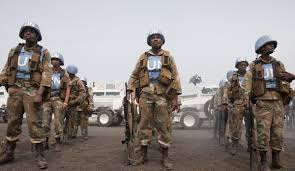
The United Nations peacekeeping mission in the Democratic Republic of Congo (DRC) has entered a new phase as Bintou Keita, the Special Representative of the Secretary-General, exits her position ahead of schedule. Her departure has sparked strong reactions because she played a central role in guiding MONUSCO through one of the most turbulent periods in recent history. Although her exit comes earlier than planned, it also highlights the delicate transition facing the mission as it prepares for its final withdrawal.
Early Exit Confirmed as MONUSCO Head Steps Down Early
Bintou Keita left her position after almost five years of service. Her decision, according to the UN, was personal. Although she had been expected to remain in office until February 2026, she chose to step down before the end of her mandate. Her departure was confirmed in a formal announcement, which praised her dedication, leadership, and commitment to the mission.
Keita became the second woman to lead MONUSCO and the first from sub-Saharan Africa. Her appointment in 2021 followed years of experience within the UN system. Because of this, many Congolese communities and international observers viewed her as a unifying figure with deep understanding of regional complexities.
Her early resignation marks a significant moment for the mission, especially as MONUSCO continues its phased withdrawal from the DRC. Many see this change in leadership as a strategic milestone that will shape the mission’s closing chapter.
A Leadership Marked by Crises and Major Security Challenges
MONUSCO operated under intense pressure during Keita’s tenure. She took office during a period of instability, and several crisis events demanded swift and coordinated action.
Shortly after assuming leadership, she supervised the UN response to the Nyiragongo volcanic eruption near Goma. The eruption caused major destruction, displaced hundreds of thousands of residents, and triggered a humanitarian emergency. Under her guidance, MONUSCO assisted displaced families, supported government efforts, and helped coordinate international aid.
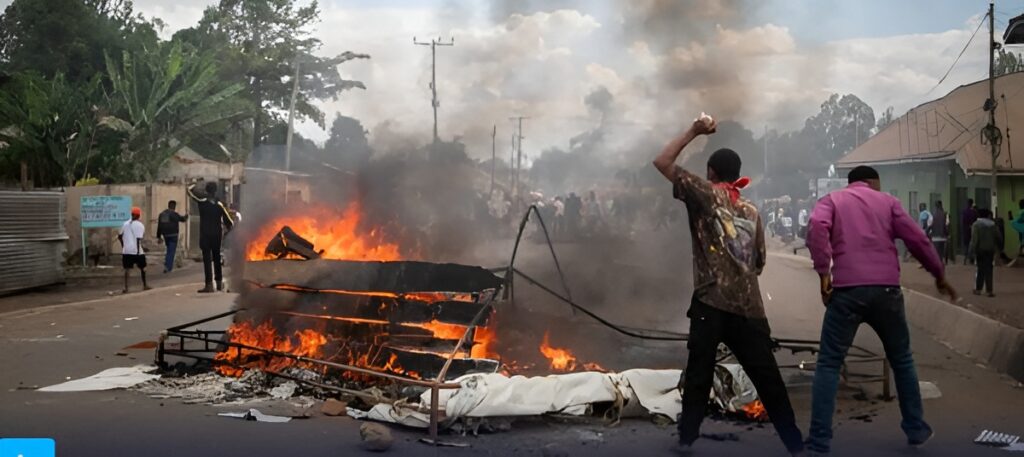
However, the mission faced rising public frustration as insecurity escalated. In 2022, widespread protests broke out across major cities including Goma, Beni, and Butembo. Many civilians accused MONUSCO of failing to prevent attacks by armed groups. The demonstrations turned violent and led to dozens of deaths. Several peacekeepers also lost their lives. These events tested the mission’s credibility and intensified calls for the UN’s departure.
Throughout these challenges, Keita defended the mission’s efforts while acknowledging the real concerns of the population. She often emphasized the complexity of the conflict and the need for coordinated action among local, national, and international actors.
Escalation of Conflict in 2025 and New Approaches to Dialogue
The year 2025 brought new waves of conflict in eastern DRC, particularly due to renewed attacks by the M23 rebel group. The group advanced rapidly, taking control of strategic towns including Goma and Bukavu. These developments placed immense pressure on the Congolese government and raised fears of a deeper regional crisis.
Because of the evolving situation, MONUSCO under Keita adopted a more diplomatic approach. The mission engaged in direct discussions with representatives of M23 in Goma. Although the move surprised many observers, it demonstrated an effort to prevent further violence and protect civilians. This initiative signaled a shift from exclusive reliance on military support toward political engagement and dialogue.
Despite the controversy surrounding such discussions, many analysts viewed them as necessary, given the mission’s mandate and the urgency of the security situation. These talks became one of the most significant parts of Keita’s legacy.
Transition Leadership as MONUSCO Head Steps Down Early
With Keita’s early exit, leadership reassignment became essential. Bruno Lemarquis, her deputy, assumed temporary command and will oversee operations until 28 December 2025. After this date, Vivian van de Perre, another senior MONUSCO official, will take over. She is known for her strategic work in civilian protection and operational coordination.
This transition arrives at a time when MONUSCO is gradually handing security responsibilities back to Congolese authorities. Because of this, the new leadership will face ongoing pressure to maintain stability while also preparing the mission for complete withdrawal.
Her Legacy and the Future of MONUSCO
Bintou Keita’s tenure reflected a blend of crisis management, diplomacy, and humanitarian coordination. Her work highlighted the complex balance required in peacekeeping missions, especially in a country with long-standing security challenges.
Her legacy includes:
- Support for communities during natural disasters
- Strengthening cooperation with national authorities
- Opening dialogue channels with rebel groups
- Increasing focus on civilian protection
- Guiding MONUSCO through the early phases of withdrawal
Although she faced criticism during periods of unrest, her leadership style was marked by calmness, inclusiveness, and transparency. Many international observers praised her for maintaining communication with local communities and for her commitment to reducing tensions.
The Road Ahead
MONUSCO must now navigate its final years in the DRC with caution. The mission’s withdrawal will continue to shape the country’s security environment. Therefore, the new leadership must ensure continuity, stability, and strong cooperation with Congolese institutions.
Keita’s early departure also signals deeper changes within the UN’s peacekeeping strategy. As more missions transition to national control, the UN is expected to focus on long-term capacity building rather than prolonged military deployment.
Her decision to step down early may reflect broader institutional changes as well as personal considerations, but its timing highlights the delicate balance of security and diplomacy in the DRC.
Conclusion
The announcement that the MONUSCO head steps down early has become a defining moment for the peacekeeping mission. Bintou Keita’s nearly five-year leadership shaped MONUSCO’s direction through numerous challenges, from volcanic eruptions to violent protests and renewed rebel activity. Her exit marks the beginning of a new chapter as the mission nears its final withdrawal and prepares to hand full responsibility to Congolese authorities.
MONUSCO’s future now depends on its ability to maintain operational stability while supporting local institutions. As new leaders take charge, the mission faces both uncertainty and opportunity. However, one thing remains clear: Keita’s tenure will be remembered as a period of resilience, transition, and significant change for peacekeeping in the DRC.