

Military Deployed to Kampala as Uganda Prepares for General Election
- News Uganda
OurDailyAfrica Reporter
- 0
- 6 minutes read
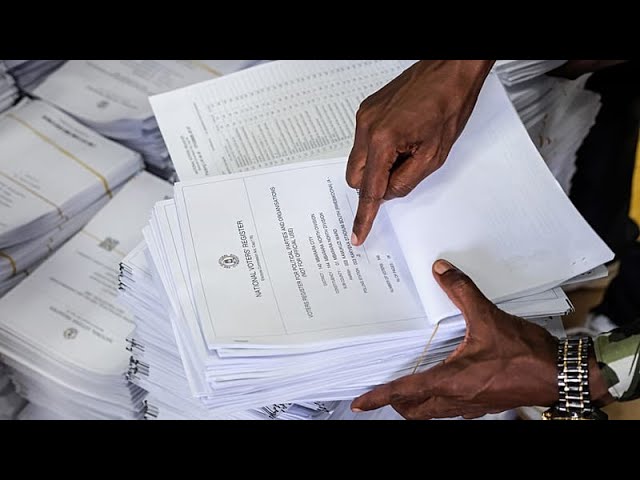
Military deployment in Kampala raises election security concerns
Uganda has deployed military forces across its capital, Kampala, as the country prepares for a crucial general election scheduled for January 2026. The decision comes days before voters head to the polls to elect a president, lawmakers, and local government officials.
Armed soldiers, armoured vehicles, and joint security patrols are now visible in major parts of the city. Authorities say the deployment aims to prevent violence and ensure public safety during the election period. However, critics argue that the move heightens political tension and raises fears of voter intimidation.
Government says deployment is preventive
Ugandan security officials insist the military presence is a preventive measure. According to authorities, intelligence reports suggested the risk of unrest before and after the vote. As a result, the government authorised the army to support the police in maintaining law and order.
Security forces are patrolling strategic locations, including main roads, government buildings, and densely populated neighbourhoods. Officials maintain that the deployment does not target any political group. Instead, they say it protects citizens, electoral officials, and public infrastructure.
Uganda general election takes place amid high political tension
The Uganda general election is shaping up to be one of the most closely watched in the country’s history. President Yoweri Museveni, who has ruled Uganda since 1986, is seeking another term in office. His long leadership continues to divide public opinion.
Opposition leader Robert Kyagulanyi, popularly known as Bobi Wine, remains Museveni’s strongest challenger. He draws strong support from young voters and urban populations, especially in Kampala. His campaign focuses on governance reform, economic hardship, and democratic freedoms.
Opposition voices concern over military presence
Opposition leaders and civil society groups have criticised the deployment of soldiers in the capital. They argue that a strong military presence close to election day could discourage voter participation. Some fear that citizens may feel unsafe or pressured at polling centres.
Human rights organisations have also expressed concern. They warn that past elections in Uganda involved reports of arrests, excessive force, and restrictions on political activity. As a result, they urge security forces to act professionally and respect citizens’ rights.
Internet restrictions add to public anxiety
In addition to the military deployment, authorities announced temporary restrictions on mobile internet services. The government says the measure aims to prevent misinformation, online incitement, and election-related violence.
However, critics argue that internet shutdowns limit transparency. Journalists, observers, and voters rely on digital platforms to share information and report irregularities. Therefore, many fear that restricted access could affect election credibility.
Lessons from previous elections
Uganda’s last general election revealed deep political divisions. Although President Museveni retained power, opposition candidates gained significant support, particularly in urban areas. That election also recorded a reduced vote share for the incumbent compared to earlier years.
Since then, political engagement among young Ugandans has increased. Economic challenges, unemployment, and demands for reform continue to shape voter expectations. As a result, this election carries significant weight for the country’s future direction.
Regional and international attention grows
Observers across East Africa and beyond are closely monitoring developments in Uganda. The country plays a key role in regional security and peacekeeping efforts. Any instability could affect neighbouring states.
International partners have called on Ugandan authorities to ensure a peaceful and credible election. They stress the importance of transparency, respect for human rights, and acceptance of legitimate results.
What the election outcome could mean
The outcome of the Uganda general election will influence governance, economic policy, and civil liberties for years to come. Voters face a clear choice between continuity and change.
As election day approaches, many Ugandans hope for a calm process free from violence and intimidation. The heavy military presence in Kampala remains a defining feature of this final campaign phase.
Whether the deployment reassures citizens or deepens mistrust will depend largely on how security forces conduct themselves during and after the vote.