

Malian Army Denies Releasing Jihadists to End Fuel Convoy Attacks
- Mali News
OurDailyAfrica Reporter
- 0
- 11 minutes read
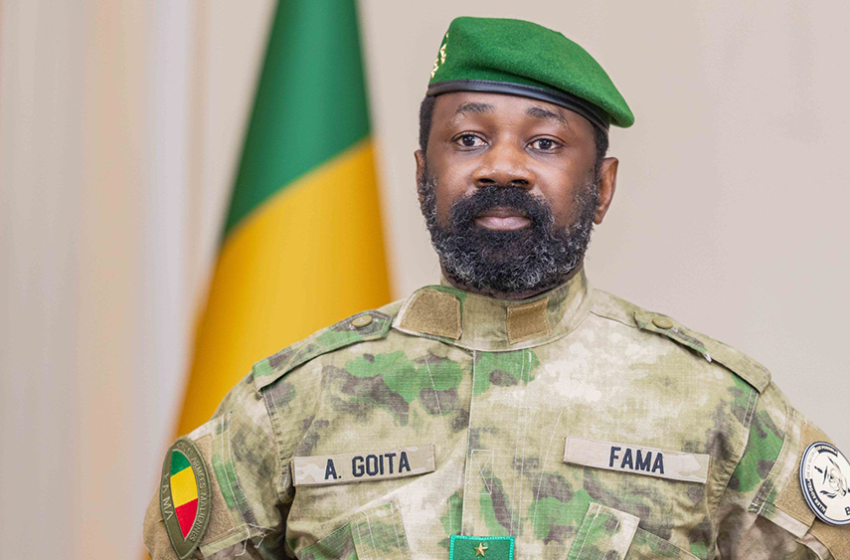
The Malian Army has firmly rejected claims that it released detained jihadists as part of a deal to stop attacks on fuel convoys, pushing back against reports that have sparked concern both locally and internationally. The denial comes at a time when Mali continues to grapple with serious security challenges and growing pressure on essential supply routes.
In recent weeks, fuel convoy attacks have intensified, disrupting the flow of petroleum products into major cities, including the capital, Bamako. These disruptions have triggered shortages, long queues, and rising fuel prices, placing additional strain on citizens and businesses. As a result, speculation emerged suggesting that authorities might have resorted to controversial measures, including negotiating with armed groups.
However, military officials have dismissed such reports, insisting that no agreement involving the release of jihadist prisoners has taken place. According to the army, its operations remain focused on combating insurgent groups and securing national territory.
Malian Army Denies Releasing Jihadists to End Fuel Convoy Attacks
The Malian army denies releasing jihadists to end fuel convoy attacks position reflects the government’s broader commitment to maintaining a strong stance against militant groups. Officials stressed that the country will not compromise its security principles by engaging in deals that could empower extremist networks.
These claims initially gained attention following reports that suggested a temporary truce had been reached to allow fuel shipments to pass safely. Some accounts even indicated that a number of detainees had been released as part of such arrangements.
Nevertheless, the Malian Army has described these narratives as inaccurate and misleading. Authorities maintain that any suggestion of negotiated releases undermines the integrity of ongoing military operations.
Escalating Attacks on Fuel Supply Routes
Fuel convoys have become a key target for armed groups operating in Mali. These convoys transport vital supplies across long and often insecure routes, making them vulnerable to ambushes and attacks.
In recent months, several convoys have come under assault, leading to casualties, destruction of vehicles, and significant disruption of supply chains. Consequently, the availability of fuel in urban centres has declined, affecting transportation, electricity generation, and everyday economic activities.
These attacks are part of a broader strategy by militant groups to weaken state authority and create instability. By targeting essential services, they aim to increase pressure on the government and erode public confidence.
The Role of Armed Groups in the Sahel
The security crisis in Mali is closely linked to the wider instability in the Sahel region. Various armed groups continue to operate across borders, exploiting weak governance structures and vast territories.
These groups often use asymmetric tactics, including ambushes, roadside attacks, and strategic blockades. As a result, they can disrupt key economic routes with relatively limited resources.
In Mali, such tactics have proven particularly effective in targeting fuel convoys. Therefore, ensuring the safe movement of goods has become a major challenge for authorities.
Confusion and Competing Narratives
The Malian army denies releasing jihadists to end fuel convoy attacks situation highlights the difficulty of verifying information in conflict zones. Reports often emerge from multiple sources, each presenting different versions of events.
In some cases, local arrangements or informal understandings may occur without official endorsement. However, national authorities may reject these claims to maintain a consistent policy position.
This dynamic creates confusion among the public and international observers. As a result, accurate information becomes difficult to establish.
Government Response and Security Measures
To address the crisis, the Malian Army has intensified efforts to protect fuel convoys and secure transport routes. These measures include deploying armed escorts, increasing patrols, and strengthening checkpoints along major corridors.
In addition, authorities have worked to coordinate logistics and ensure that essential supplies reach key locations. Therefore, the government aims to minimize disruptions and restore stability.
Officials have also reiterated their commitment to a military approach rather than negotiation. This stance reflects concerns that engaging with militant groups could encourage further attacks.
Impact on Civilians and Daily Life
The ongoing crisis has had a direct impact on civilians across Mali. Fuel shortages have affected transportation systems, leading to higher fares and limited mobility.
Businesses have also experienced increased costs, particularly those that rely on fuel for operations. Consequently, the economic impact has extended beyond the energy sector.
For many households, the situation has created additional hardship. Access to basic services, including electricity and transportation, has become more difficult.
Therefore, resolving the issue remains critical for both economic stability and public welfare.
Economic and Security Implications
The disruption of fuel supply chains has broader implications for Mali’s economy and security. Reliable access to fuel is essential for maintaining infrastructure, supporting businesses, and ensuring effective governance.
Without stable supply routes, economic activity slows, and public frustration grows. As a result, the government faces increasing pressure to deliver solutions.
At the same time, the security situation complicates these efforts. Persistent attacks and instability make it difficult to implement long-term strategies.
Regional Dimensions of the Crisis
The situation in Mali reflects wider challenges across the Sahel. Countries in the region face similar threats from armed groups that operate across borders.
These shared challenges highlight the need for regional cooperation. By working together, countries can strengthen security measures and address common threats.
However, achieving coordinated responses remains complex. Differences in resources, strategies, and priorities often affect collaboration.
The Importance of Public Communication
The firm denial issued by the Malian Army also underscores the importance of clear communication. In times of crisis, governments must manage both security operations and public perception.
By rejecting the claims, the military aims to maintain credibility and reassure citizens. At the same time, it seeks to counter narratives that could undermine confidence in state institutions.
Effective communication therefore plays a key role in maintaining stability.
Looking Ahead
The Malian army denies releasing jihadists to end fuel convoy attacks issue remains part of a broader and ongoing crisis. While authorities continue their efforts, the situation highlights the complexity of balancing security, logistics, and public trust.
Future developments will depend on the government’s ability to secure supply routes and address the underlying causes of instability. In addition, regional cooperation and international support may influence outcomes.
Therefore, the coming months will be crucial in determining the direction of Mali’s security and economic stability.
Conclusion
The denial by the Malian Army reflects the challenges facing Mali as it confronts ongoing security threats and economic pressure. While reports suggested a possible deal involving the release of jihadists, authorities have firmly rejected these claims.
Meanwhile, attacks on fuel convoys continue to disrupt supply chains and affect daily life. These developments highlight the broader struggle to maintain stability in a complex and volatile environment.
Ultimately, the situation underscores the need for strong leadership, effective security strategies, and clear communication as Mali works toward restoring order and confidence.