

Mali Takes Majority Control of Civil Explosives Producer
- Mali News
OurDailyAfrica Reporter
- 0
- 13 minutes read
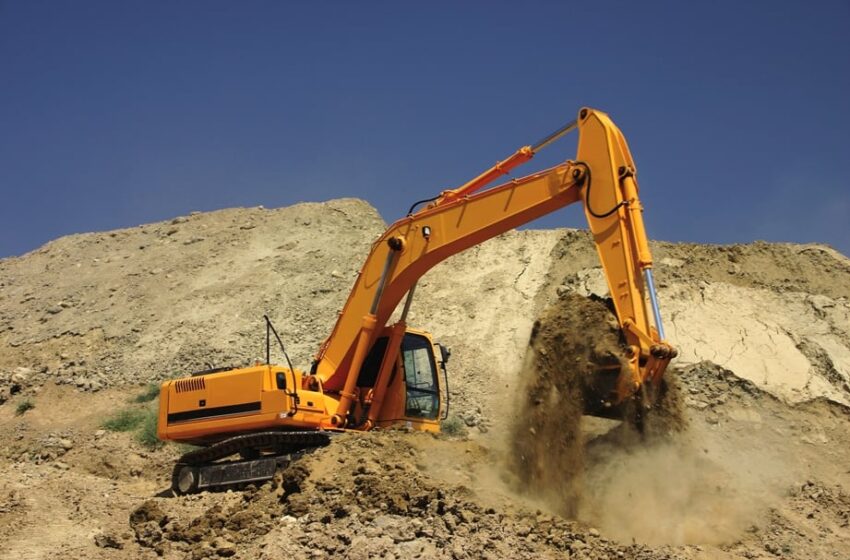
Mali majority control of civil explosives producer reshapes mining supply strategy
Mali majority control of civil explosives producer marks a significant shift in the country’s approach to industrial supply chains and national security. The Malian government has taken a 51 percent controlling stake in a company that will manufacture civil-use explosives. This move is intended to cut reliance on imports, secure critical raw materials for mining and engineering projects, and tighten oversight over sensitive products that have implications for both development and safety.
This strategic leap comes at a time when Mali is expanding its role in the mining sector and updating regulatory frameworks to improve economic gains from natural resources. By shifting to local production, Bamako is asserting greater sovereignty over inputs essential to the mining and construction industries while enhancing operational control over industrial explosives.
Why Mali majority control of civil explosives producer matters now
The government’s decision to acquire a controlling share in the explosives manufacturing venture is rooted in economic and security considerations. Previously, Mali imported millions of dollars’ worth of explosives each year for use in mining, quarries and large civil works. By producing these materials locally, the state expects to build resilience and reduce vulnerability to global supply disruption.
Mali’s mining sector accounts for a major share of its foreign exchange earnings, with gold and other mineral output representing vital economic pillars. However, dependence on imported inputs has posed both financial and operational risks. Therefore, state oversight of explosives production aligns with broader efforts to maximise local value capture and reduce costs. This shift also reflects broader strategies seen in recent years to assert national control over strategic assets and critical supply chains.
The partnership that enabled Mali majority control of civil explosives producer
The company at the centre of this transformation was created in partnership with a foreign industrial firm that specialises in explosives technology and manufacturing. Under the terms of the deal, the state now owns a majority share, while the private partner retains a minority interest. This structure allows Mali to benefit from technical expertise and external investment while exerting leadership over production and policy.
In addition to securing local supplies, the arrangement supports capacity development and potential technology transfer. The private partner brings experience, equipment and industry knowledge, which can help jump-start production and ensure compliance with safety and quality standards. As this collaboration evolves, it may also open doors for future investments in related industrial sectors.
Historical context and regulatory tightening
Since 2022, Mali has implemented stricter regulations on the use and trade of explosives. These changes came amid increased efforts to combat terrorism and limit the spread of improvised explosive devices. The new rules require prior authorisation for purchases and introduce measures for traceability, storage, transport and stock monitoring. Such regulation aims to prevent misuse, improve accountability and protect public safety without hindering legitimate industrial use.
The move to local production also dovetails with a revised mining code adopted in recent years. This code encourages local participation, promotes value addition and reinforces the state’s role in revenue generation from natural resources. By reclaiming control of a crucial input in the mining value chain, Mali is implementing its broader vision for resource sovereignty and sustainable development.
Boosting the mining sector through localised inputs
The mining industry is one of Mali’s most important economic sectors. It supports employment, contributes to gross domestic product, and supplies foreign exchange through exports. Reliable access to explosives is essential for efficient extraction, breaking rock in quarries, and large infrastructure projects.
By ensuring a local supply of explosives, Mali aims to improve the efficiency and cost structure of its mining operations. This can lead to faster project timelines, reduced dependency on foreign suppliers and a more resilient domestic industrial base. For miners and construction firms, this represents a major enhancement of operational predictability.
In the long term, a successful explosives production industry could also help attract additional investment in mining and related sectors. Investors often seek stable supply chains and predictable input costs, which local production can help provide.
Security implications of Mali majority control of civil explosives producer
Beyond economic motivations, security concerns also drive Mali’s strategy. Civil explosives are sensitive materials that require careful control due to their potential misuse. By establishing state majority control, the government gains tighter oversight over production volumes, distribution and inventory management. This can help to curb illegal diversion and reduce risks associated with the proliferation of dangerous materials.
In a region where security threats persist, controlling the supply of materials that can be repurposed for violence is an important objective. Strong regulation and state supervision serve both development and public safety goals. Therefore, Mali’s decision positions the government to balance economic needs with security imperatives.
Expected timeline for production and capacity building
Although exact production figures and operational timelines have not been made public, the plan is to bring the facility into operation within the next year. Construction and setup will require investment, infrastructure development and coordination with industry stakeholders. Both public officials and private partners are expected to contribute resources and expertise to ensure the venture’s success.
Once fully operational, the enterprise could begin supplying civil explosives for mining and engineering projects across Mali. Over time, increased production capacity may serve regional markets as well, opening new export opportunities and contributing to economic diversification.
Potential benefits for the broader Malian economy
The establishment of a local explosives manufacturing hub may have ripple effects throughout the Malian economy. Reduced import costs can improve overall trade balances. Local production may also generate jobs in manufacturing, logistics and related fields. Downstream industries, including construction and industrial minerals, could benefit from more consistent access to essential inputs.
In addition, by keeping more of the value chain within national borders, Mali can capture a larger share of economic benefits from its natural resource sectors. This aligns with contemporary development strategies that prioritise value addition and local content.
Community and workforce development opportunities
Creating a local explosives production industry also offers opportunities for workforce development. Training programmes, technical education and specialised skills development could grow around the facility. Local engineers, technicians and supply chain professionals may benefit from new career pathways.
As workers gain experience in a high-value manufacturing environment, the broader labour market could benefit from increased expertise and professional mobility. This human capital development has long-term potential to contribute to industrial growth beyond the explosives sector alone.
Challenges and strategic considerations
Despite the potential benefits, challenges remain. Building and operating a safe explosives manufacturing plant demands strict safety protocols, skilled personnel and robust regulatory frameworks. The government must ensure adherence to international best practices in safety, environmental protection and quality control.
In addition, ensuring that state control does not stifle innovation or efficiency will be important. Balancing political oversight with commercial viability requires careful governance and strategic planning. Investors and industry observers will watch how Mali navigates these dynamics.
Broader regional implications and economic context
Mali majority control of civil explosives producer fits into a wider pattern of Sahel states increasing control over key industries. Across the region, governments are pursuing policies that deepen state participation in sectors deemed strategic. These shifts reflect broader geopolitical trends, investment patterns and efforts to maximise national benefit from vast natural resources.
In the context of evolving global market dynamics, securing local production capacity for critical industrial inputs may also position Mali as a more resilient and self-reliant partner in regional trade. As economic and security landscapes evolve, Mali’s experiment with state-led industrial expansion could yield lessons for other nations with similar development goals.
Conclusion
Mali majority control of civil explosives producer signals a decisive policy shift with wide-ranging economic and security implications. By moving away from dependence on imports and asserting state leadership in a strategic industrial domain, Mali aims to strengthen its mining sector, enhance supply chain security and capture greater value from natural resources.
This development reflects both a pragmatic response to logistical challenges and a broader vision for national industrial capacity. As the venture progresses toward operational readiness, attention will turn to execution, governance and the realisation of anticipated economic benefits. If successful, this initiative could reshape Mali’s industrial landscape and influence broader development strategies in the Sahel region.