
M23 Announces Withdrawal from Uvira After U.S. Pressure
- Dr congo News
OurDailyAfrica Reporter
- 0
- 11 minutes read
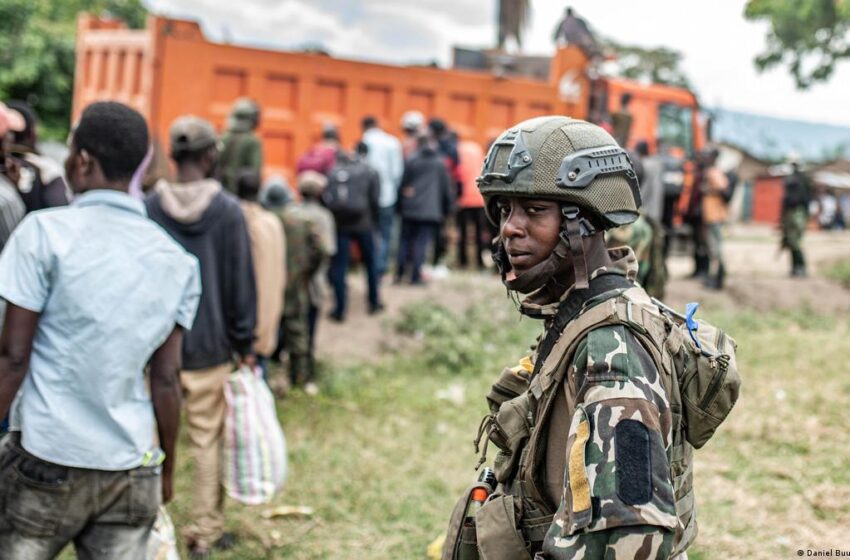
The M23 withdrawal from Uvira has emerged as a critical development in the long-running conflict in eastern Democratic Republic of Congo. After weeks of intense fighting and mounting diplomatic pressure, the rebel group announced plans to pull its forces out of the strategic town. The move followed strong intervention from the United States, which has been working behind the scenes to reduce tensions and prevent further escalation.
Although the announcement has raised cautious optimism, uncertainty still surrounds the situation. Eastern Congo has witnessed similar declarations in the past, many of which failed to bring lasting stability. Nevertheless, this latest step could represent a turning point if it is followed by genuine disengagement and sustained diplomacy.
Why the M23 Withdrawal from Uvira Matters
Uvira occupies a crucial position near the borders of Burundi and Rwanda. As a result, control of the town carries military, political, and regional significance. When M23 fighters advanced into Uvira, fears quickly spread across the region. Civilians fled their homes, while humanitarian agencies warned of worsening conditions.
Therefore, the M23 withdrawal from Uvira matters not only for Congo but also for its neighbours. Any prolonged instability in the area risks drawing in regional actors and undermining ongoing peace initiatives.
According to statements from the rebel group, the decision to withdraw was taken in the interest of peace. M23 leaders said they had listened to calls from international mediators, especially the United States, urging restraint and de-escalation. They also indicated that their fighters had already begun leaving the town.
U.S. Pressure and Diplomatic Calculations
In recent months, the United States has increased its involvement in efforts to stabilize eastern Congo. Washington has held talks with regional leaders while also pushing for dialogue between Kinshasa and Kigali. Although M23 was not directly included in earlier agreements, American pressure reportedly played a significant role in shaping the group’s latest move.
The timing of the M23 withdrawal from Uvira closely followed a U.S.-supported understanding between the presidents of Congo and Rwanda. That agreement aimed to reduce hostilities and prevent further advances by armed groups. While it stopped short of addressing every armed faction, it sent a strong signal that continued violence would attract international consequences.
As a result, M23’s announcement appears to reflect a strategic calculation. By withdrawing, the group may hope to avoid deeper international isolation while preserving leverage for future negotiations.
Humanitarian Impact of the Fighting
Before the withdrawal announcement, Uvira experienced days of heavy clashes. These confrontations forced thousands of civilians to flee, adding to an already dire humanitarian situation in eastern Congo. Many families sought shelter in overcrowded camps, churches, and schools.
Moreover, local authorities struggled to respond as insecurity limited access to affected areas. Aid workers reported shortages of food, medicine, and clean water. Children and elderly residents faced the greatest risks, particularly as displacement disrupted health services and education.
The M23 withdrawal from Uvira has therefore raised hopes that humanitarian access could improve. However, aid groups caution that any gains will depend on whether the pullout is fully implemented and respected.
Mixed Reactions from Congolese Authorities
Congolese officials have responded cautiously to the rebel announcement. While welcoming any move that reduces violence, they have also expressed skepticism. Past experiences have shown that some armed groups announce withdrawals only to reposition nearby or return later.
Government representatives have stressed the need for independent verification. They insist that security forces will monitor the situation closely to confirm whether M23 fighters truly leave the area. At the same time, authorities have called on international partners to maintain pressure and ensure compliance.
Despite these concerns, some officials see the M23 withdrawal from Uvira as an opportunity. If managed carefully, it could open space for renewed dialogue and strengthen ongoing peace initiatives.
Regional Tensions and Long-Standing Accusations
The conflict involving M23 remains deeply entangled in regional politics. Kinshasa has long accused Rwanda of backing the rebel group, an allegation Kigali denies. These accusations have repeatedly strained relations between the two countries.
As tensions escalated earlier this year, several regional organizations attempted to mediate. However, progress remained slow, partly due to mutual distrust. Against this backdrop, the M23 withdrawal from Uvira has taken on added diplomatic significance.
If the withdrawal holds, it could help ease regional tensions. Conversely, any perceived backtracking could reignite accusations and derail fragile diplomatic efforts.
Civilian Voices and Local Expectations
For residents of Uvira, the rebel announcement has been met with a mixture of relief and caution. Many civilians say they want peace but fear celebrating too early. Years of conflict have taught them that security gains often prove temporary.
Traders hope to reopen markets, while displaced families dream of returning home. However, they also demand guarantees of safety. Without clear security arrangements, many remain hesitant to move back.
Community leaders have urged all parties to prioritize civilians. They argue that the M23 withdrawal from Uvira should mark the beginning of a broader commitment to peace rather than a tactical pause.
Challenges to Sustaining Peace
Even if M23 completes its withdrawal, significant challenges remain. Eastern Congo hosts dozens of armed groups, each with its own agenda. Weak state presence, competition over resources, and unresolved grievances continue to fuel violence.
Therefore, lasting peace will require more than a single withdrawal. Analysts emphasize the need for comprehensive reforms, including security sector strengthening, economic development, and inclusive dialogue.
The international community also faces a test. Sustained engagement, rather than short-term pressure, will be crucial to prevent a relapse into conflict.
What Comes Next After the M23 Withdrawal from Uvira
In the coming days, attention will focus on whether the withdrawal is completed as promised. Independent observers and humanitarian organizations are expected to assess conditions on the ground.
Meanwhile, diplomatic efforts are likely to intensify. Regional leaders, supported by international partners, may push for broader talks that include armed groups, local communities, and civil society.
Although uncertainty remains, the M23 withdrawal from Uvira offers a rare opening. If all stakeholders act responsibly, it could lay the groundwork for gradual stabilization in eastern Congo.
A Cautious Step Toward Stability
In conclusion, the announcement of an M23 pullout from Uvira represents a cautious step toward de-escalation. Driven largely by U.S. pressure, the move has created hope while also raising questions.
For civilians who have endured years of violence, hope alone is not enough. They want lasting peace, security, and accountability. Whether this moment leads to real change will depend on actions taken in the weeks ahead.
The M23 withdrawal from Uvira may not end the conflict overnight. However, it has reminded the region that diplomacy, when combined with pressure, can still influence events on the ground.