

Libya Military Chief Plane Crash: Senior Commander Killed After Aircraft Takes Off from Ankara
- Libya News
OurDailyAfrica Reporter
- 0
- 11 minutes read
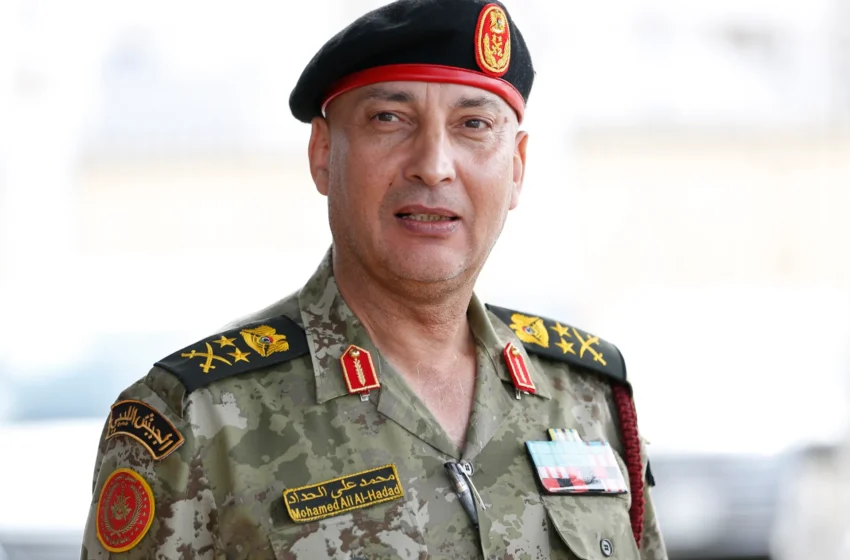
The Libya military chief plane crash has sent shockwaves across Libya, Turkey, and the wider North African region after a senior Libyan military commander was confirmed dead following a tragic aviation incident in Ankara. The crash occurred shortly after the aircraft took off from the Turkish capital, raising serious questions about flight safety, diplomatic travel risks, and the future direction of Libya’s fragile military leadership.
Authorities confirmed that the aircraft went down moments after departure, killing the top-ranking Libyan military official onboard. The incident has triggered an outpouring of reactions from government officials, military leaders, and international observers, as investigations begin into the circumstances surrounding the deadly crash.
What Happened in the Libya Military Chief Plane Crash
According to official statements, the aircraft carrying the Libyan military chief departed from Ankara on an official mission. However, shortly after takeoff, the plane encountered difficulties that resulted in a fatal crash. Emergency services responded rapidly, yet the impact left no survivors.
Turkish aviation authorities immediately sealed off the crash area and launched a technical investigation. Meanwhile, Libyan officials confirmed the identity of the deceased, describing the loss as a severe blow to the country’s security structure.
Although the exact cause of the crash remains under investigation, early reports suggest that the incident occurred within minutes of takeoff. Aviation experts note that such moments are often the most critical phase of flight, where mechanical or technical issues can have devastating consequences.
Profile of the Libyan Military Chief
The deceased commander was widely regarded as one of the most influential figures within Libya’s military hierarchy. Over the years, he played a key role in shaping military strategy and maintaining fragile security arrangements in a country still recovering from years of political division and armed conflict.
As Libya continues efforts to unify its armed forces, the death of such a senior figure creates uncertainty. Analysts believe his leadership experience and strategic influence will be difficult to replace in the short term.
Moreover, his involvement in diplomatic and military discussions abroad underscored Libya’s reliance on international partnerships. His trip to Turkey reportedly formed part of broader security cooperation talks between the two nations.
Libya–Turkey Military Relations in Focus
The Libya military chief plane crash has also drawn attention to the close military relationship between Libya and Turkey. Over recent years, Turkey has played a prominent role in supporting Libya’s internationally recognised authorities, particularly through military training, logistics, and advisory support.
Libyan military officials frequently travel to Ankara for strategic meetings, training programmes, and defence coordination. As a result, the incident has reignited debate over the safety of high-level military travel and the need for enhanced aviation protocols for senior officials.
Despite the tragedy, both governments have reaffirmed their commitment to continued cooperation. Turkish authorities expressed condolences to Libya’s leadership and pledged full transparency in the investigation.
Immediate Reactions from Libya and Beyond
Following confirmation of the crash, Libyan officials released statements mourning the loss. Senior government figures described the commander as a dedicated officer who served the country with commitment during a challenging period in its history.
In addition, military units across Libya reportedly observed moments of silence in honour of the fallen leader. Flags were lowered at several government and military facilities, reflecting the national impact of the tragedy.
International reactions also followed. Regional partners and diplomatic missions extended condolences, recognising the broader implications of the loss for Libya’s security and stability.
Investigation into the Plane Crash
A joint investigation involving Turkish aviation authorities and Libyan representatives is now underway. Investigators are examining flight data, maintenance records, weather conditions, and pilot communications to determine what caused the aircraft to crash so soon after takeoff.
Experts emphasize that aviation crash investigations can take time, as investigators must carefully reconstruct the sequence of events. While speculation remains high, officials have urged the public to wait for verified findings.
Meanwhile, Turkish officials confirmed that all relevant evidence would be shared with Libyan authorities. This cooperation aims to ensure transparency and accountability throughout the investigative process.
Security and Political Implications for Libya
The Libya military chief plane crash comes at a sensitive time for the country. Libya continues to navigate a complex political landscape marked by competing institutions and efforts toward national reconciliation.
Security analysts warn that the sudden loss of a senior military leader could create temporary gaps in command and coordination. However, they also note that Libya’s military institutions have contingency structures designed to maintain continuity.
Nevertheless, leadership transitions within military structures often influence broader political dynamics. As a result, observers will closely watch how Libyan authorities manage the succession process and maintain stability in the coming weeks.
Aviation Safety and High-Level Travel Concerns
Beyond Libya, the crash raises broader questions about aviation safety for senior government and military officials. High-ranking leaders frequently travel under tight schedules, often using specialised aircraft.
Experts stress the importance of strict maintenance standards, rigorous pre-flight checks, and transparent oversight. While air travel remains statistically safe, incidents involving senior figures attract heightened scrutiny due to their political and security consequences.
In response, some analysts suggest that governments should reassess risk management procedures for official travel, particularly during diplomatic or military missions abroad.
Public Mourning and National Reflection
Across Libya, the death of the military chief has prompted public reflection on the human cost of leadership in conflict-affected states. Social media platforms were flooded with tributes, messages of sympathy, and calls for unity.
Citizens expressed hope that the tragedy would not deepen existing divisions. Instead, many urged leaders to honour the fallen commander by prioritising stability, professionalism, and national reconciliation.
What Happens Next
As investigations continue, Libyan authorities are expected to announce interim leadership arrangements within the military command. These steps will be critical in maintaining operational continuity and reassuring both domestic and international partners.
At the same time, the final investigation report will be closely scrutinised. Its findings may influence future aviation safety policies and diplomatic travel arrangements for senior officials.
For now, the Libya military chief plane crash remains a stark reminder of how quickly tragedy can alter the course of national security and political affairs.
Conclusion
The death of Libya’s military chief in a plane crash shortly after takeoff from Ankara marks a significant moment in the country’s ongoing journey toward stability. While investigations seek answers, the immediate focus remains on honouring the fallen leader and safeguarding institutional continuity.
As Libya mourns, the international community watches closely. The outcome of this tragedy may shape not only military leadership decisions but also broader discussions on aviation safety, diplomacy, and regional cooperation.